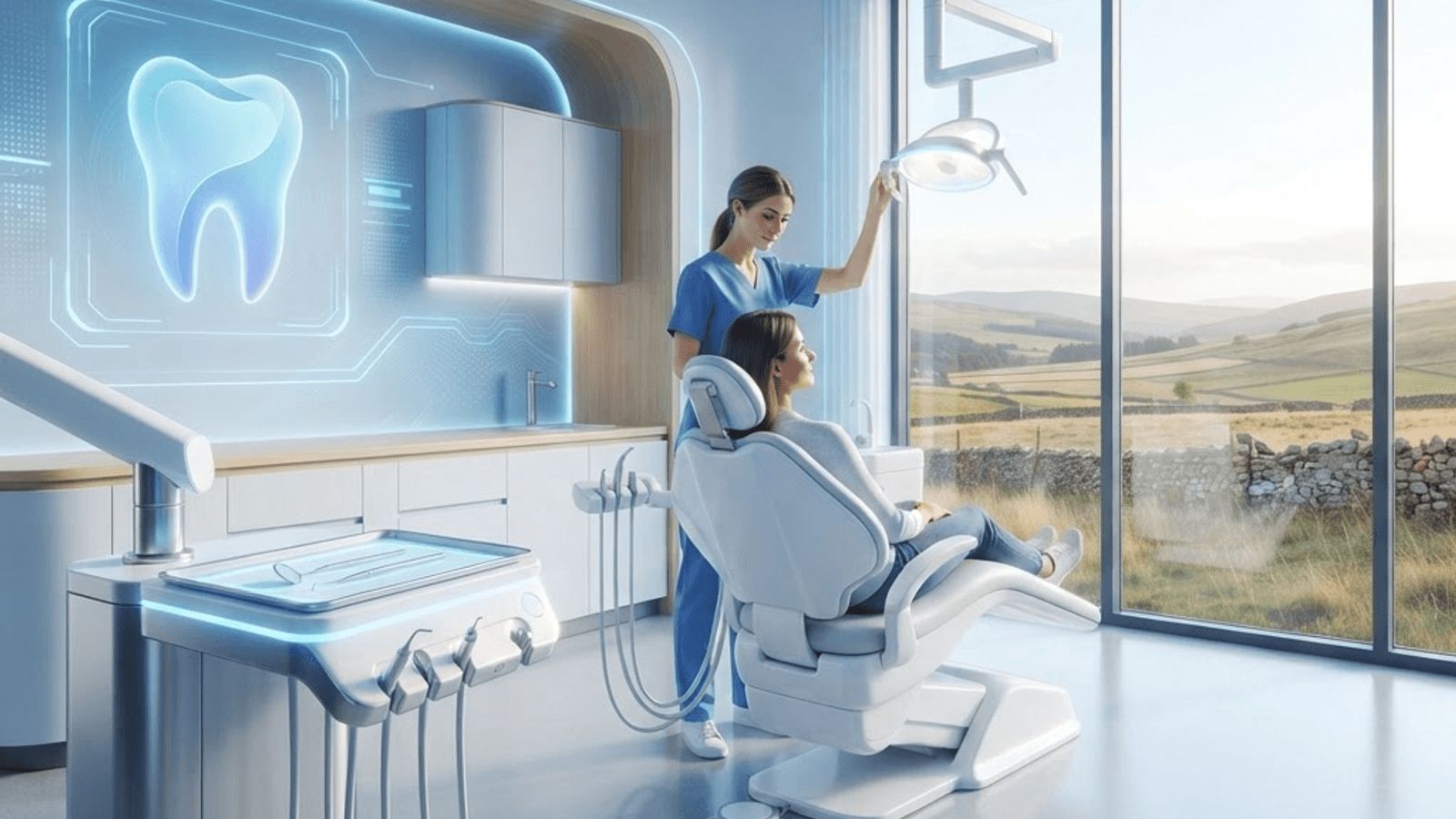
Aesthetic Medicine Comes to West Wales
A decade ago, anyone in Pembrokeshire considering cosmetic surgery assumed a journey to Cardiff, Bristol or London. That assumption no longer holds. Aesthetic medicine has decentralised dramatically across the United Kingdom, driven by improved training pathways, the growth of non-surgical treatments that can be delivered safely in a clinic setting, and patient preference for local practitioners who provide continuity of aftercare.
Pembrokeshire now hosts a meaningful cluster of aesthetic providers, concentrated around Haverfordwest, Tenby, Narberth and Milford Haven. The mix is characteristic of rural provision: fewer full surgical facilities than a city, but a strong and growing non-surgical sector, supplemented by visiting consultant surgeons who run regular local consultation clinics while performing procedures at accredited hospitals elsewhere in Wales. For patients, this hybrid model works well, keeping consultation and follow-up close to home while ensuring surgery happens in properly equipped theatres.
Surgical Versus Non-Surgical: An Essential Distinction
The term cosmetic surgery is used loosely, but the regulatory and safety implications of the two categories are entirely different. Surgical procedures such as breast augmentation or reduction, abdominoplasty, rhinoplasty, blepharoplasty and facelift surgery require a registered surgeon operating in a facility regulated by Healthcare Inspectorate Wales or the Care Quality Commission in England. These carry genuine surgical risk and demand rigorous consent, anaesthetic assessment and aftercare planning.
Non-surgical treatments, including botulinum toxin injections, dermal fillers, chemical peels, laser resurfacing, microneedling, radiofrequency skin tightening and thread lifts, sit in a far less regulated space. This is the area where patients most need to exercise caution. In the UK, prescription-only injectables must be prescribed by a qualified prescriber following a face-to-face consultation, yet enforcement has historically been weak and the market includes practitioners with minimal medical training.
The Ten Leading Aesthetic Providers in Pembrokeshire
Withybush Hospital plastic surgery and dermatology services anchor the clinical end of the spectrum. NHS provision covers reconstructive surgery following cancer, trauma or congenital conditions, and while purely cosmetic work is not funded, the presence of consultant expertise in the county raises standards across the board.
Visiting consultant plastic surgeon clinics in Haverfordwest represent the most credible route to surgical procedures locally. Consultants on the General Medical Council Specialist Register for plastic surgery hold regular consultation sessions in the county, operating at accredited private hospitals in south Wales and returning for post-operative review.
Pembrokeshire Aesthetics and Skin Clinic typifies the medically led non-surgical model, staffed by doctors, dentists or nurse prescribers offering anti-wrinkle injections, dermal fillers, skin boosters and medical-grade skincare. The medical leadership is the key differentiator, since it ensures prescribing compliance and competent complication management.
Tenby Skin and Laser Clinic focuses on energy-based treatments including laser hair removal, intense pulsed light for pigmentation and vascular lesions, and fractional resurfacing. These devices are effective but carry real burn and pigmentation risks in untrained hands, so operator qualification matters enormously.
Narberth Cosmetic and Wellness Clinic reflects the town's positioning as a boutique service hub, combining aesthetic treatments with broader wellness offerings and a strong emphasis on natural, conservative results rather than dramatic transformation.
Milford Haven Medical Aesthetics serves the waterway towns with a practical, accessible offering centred on injectables, skin health and minor dermatological procedures such as mole and skin tag removal.
Dental practices offering facial aesthetics form a significant and often underestimated part of the Pembrokeshire market. Dentists have extensive facial anatomy training, sterile technique and prescribing authority, which makes suitably trained dental practitioners among the safest providers of facial injectables in any rural area.
Nurse-led aesthetic practices operate across the county, typically run by experienced registered nurses with independent prescriber qualifications. Many have come from surgical or dermatology backgrounds, bringing strong clinical judgement to aesthetic practice.
Cosmetic dermatology and mole screening services address the medical side of skin health. Pembrokeshire's outdoor lifestyle and high UV exposure on the coast make skin cancer surveillance genuinely important, and clinics combining aesthetic treatment with dermoscopic mole checking provide real clinical value.
Hair restoration and scalp treatment specialists complete the list. Hair transplantation, platelet-rich plasma therapy and medical management of androgenetic alopecia have grown substantially in demand, and providers now operate in west Wales rather than requiring travel to major cities or abroad.
Trends in Aesthetic Medicine
The dominant trend is toward subtlety. The overfilled aesthetic of the last decade has fallen sharply out of favour, replaced by preference for preventative treatment, gradual enhancement and results that look unremarkable to observers. Practitioners describe a shift from correction to maintenance, with younger patients seeking small, regular interventions rather than dramatic later intervention.
Regenerative approaches represent the second major trend. Polynucleotides, skin boosters, biostimulatory injectables and platelet-rich plasma aim to improve tissue quality rather than simply add volume. Evidence quality varies considerably across these treatments, so practitioner honesty about what is well-established and what remains emerging is a good indicator of integrity.
Regulatory tightening is the third. The UK has moved toward stricter oversight of non-surgical cosmetic procedures, including licensing schemes and restrictions on treating under-eighteens. Clinics that have already aligned with best practice on consent, cooling-off periods and complication protocols are well positioned; those competing on price and speed are not.
How to Choose Safely
Verification is non-negotiable. Check the General Medical Council register for doctors, the Nursing and Midwifery Council for nurses, or the General Dental Council for dentists. For surgery, confirm the surgeon appears on the GMC Specialist Register in plastic surgery specifically, not simply that they hold a medical qualification. Ask where the procedure will take place and confirm the facility is properly regulated.
Insist on a proper consultation. A responsible practitioner will discuss your motivations, examine you thoroughly, explain realistic outcomes and limitations, outline risks and complications explicitly, and provide a cooling-off period before treatment. Any clinic offering same-day treatment on a discounted package, particularly at an event or promotion, should be avoided.
Ask about complications directly. What happens if a filler causes vascular occlusion? Is hyaluronidase held on site? Who do you contact at nine in the evening if something goes wrong? In a rural county the answer to that last question matters more than anywhere else, and the best Pembrokeshire clinics have clear, immediate answers because they have thought seriously about patient safety rather than simply about treatment delivery.
Want your brand featured in front of decision-makers? Publish a guest post or get a link insertion in our guides through AAMAX's guest post and link insertion service.
Helpful Links
 SponsoredAAMAX — Full-Service Digital Agency
Write for Us
Share your expertise with our readers. We welcome guest contributions from industry specialists.
Pitch your idea