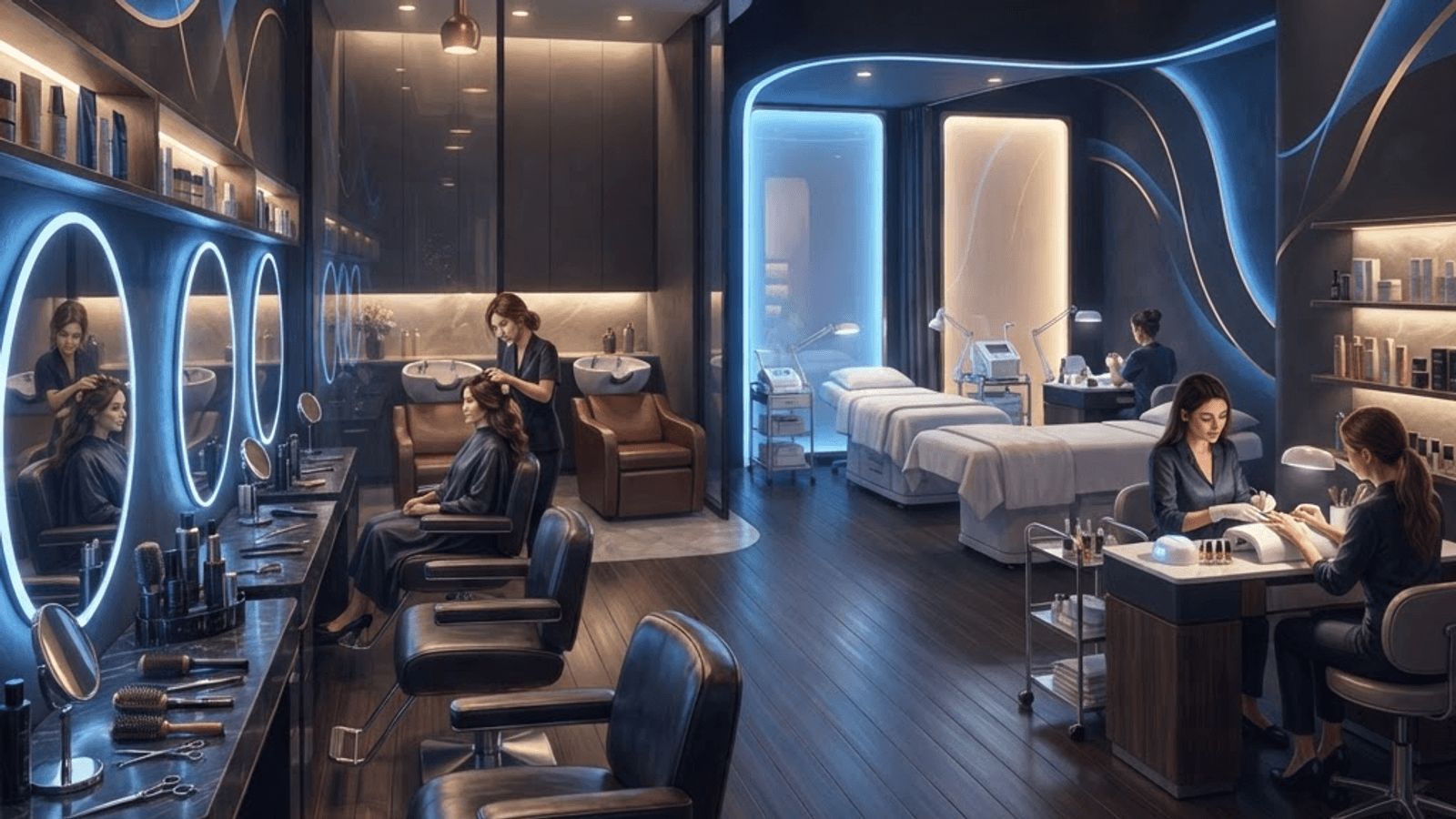
The Aesthetic Sector in Bracknell Forest
Cosmetic treatment has moved firmly into the mainstream. What was once a discreet niche is now a substantial and visible industry, driven by social media, improved technology and a marked reduction in stigma. Bracknell Forest reflects national trends closely: a relatively affluent professional population, good transport links to specialist centres, and growing demand across both surgical and non-surgical treatments.
The most important thing any prospective patient in the UK should understand is that regulation is uneven. Surgery must be performed by a doctor in a Care Quality Commission registered facility. Non-surgical treatments including injectables, however, remain far less tightly controlled, and standards vary enormously. Choosing well is therefore a safety matter, not merely a quality preference.
1. Full Surgical Cosmetic Hospitals
Registered hospitals providing cosmetic surgery offer operating theatres, anaesthetic cover, overnight facilities and full emergency support. Procedures include breast augmentation, reduction and uplift, abdominoplasty, liposuction, rhinoplasty, facelift, blepharoplasty and gynaecomastia surgery. The critical safeguard is that the surgeon should be on the General Medical Council specialist register in plastic surgery or a relevant surgical specialty, which is publicly verifiable. Facilities with full resuscitation capability and clear arrangements for managing complications are essential.
2. Consultant-Led Private Practice Clinics
Many consultant plastic surgeons run their own clinics for consultations and minor procedures, operating at partnered hospitals for major surgery. This model offers continuity, with the same surgeon conducting consultation, operation and follow-up. Patients should ask directly who will perform the procedure, since some large commercial providers allocate surgeons late in the process. Two consultations before surgery, with a genuine cooling-off period, is best practice and a positive sign of an ethical provider.
3. Non-Surgical Injectable Clinics
Botulinum toxin and dermal filler treatments constitute the largest volume segment of the aesthetics market. Botulinum toxin is a prescription-only medicine requiring a prescriber's involvement, while dermal fillers remain remarkably under-regulated in the UK. Complications from fillers including vascular occlusion can cause tissue death and blindness, making practitioner training critical. Medically qualified injectors, whether doctors, dentists, nurses or pharmacist prescribers, with recognised aesthetic training and immediate access to reversal agents represent the safe end of this market.
4. Medical Skin and Dermatology Clinics
These clinics bridge medical dermatology and aesthetics, offering prescription skincare, chemical peels, microneedling, treatment for acne scarring, pigmentation, rosacea and melasma. Their advantage is diagnostic capability: a practitioner who can distinguish between conditions prescribes treatment that works rather than applying generic protocols. They also perform mole checks and skin cancer screening, which is a valuable secondary benefit of regular attendance.
5. Laser and Energy-Based Treatment Centres
Laser clinics deliver hair removal, skin resurfacing, vascular lesion treatment, pigmentation correction and tattoo removal. Radiofrequency and ultrasound devices offer non-surgical skin tightening. Device quality and operator training matter substantially, as inappropriate settings cause burns and permanent pigmentation changes, particularly in darker skin tones. Patch testing and Fitzpatrick skin type assessment before treatment are non-negotiable markers of a competent clinic.
6. Body Contouring and Fat Reduction Clinics
Non-surgical body treatments include cryolipolysis fat freezing, radiofrequency, high-intensity focused electromagnetic muscle stimulation and injectable fat dissolving. These treatments suit localised stubborn fat in people close to their target weight rather than significant weight reduction. Realistic expectations are essential, as results are typically modest and gradual. Surgical liposuction remains considerably more effective for larger volume change but carries surgical risk and recovery.
7. Hair Restoration Clinics
Hair loss treatment covers medical management with prescription medication, platelet-rich plasma injections, low-level laser therapy and surgical transplantation using follicular unit extraction or strip harvesting. Transplantation is a genuine surgical procedure requiring sterile conditions and skilled technique, and results depend heavily on artistic hairline design as well as graft survival. Medical treatment to stabilise ongoing loss is usually recommended alongside surgery, since transplanted hair does not prevent continued thinning elsewhere.
8. Dental Aesthetic and Facial Clinics
Combined dental and facial aesthetic practices recognise that smile and facial appearance are interconnected. They offer tooth whitening, composite bonding, veneers and orthodontic alignment alongside facial injectables. Dentists are well placed for facial aesthetics given their detailed knowledge of facial anatomy and extensive injection experience, though aesthetic-specific training remains necessary. Comprehensive facial assessment rather than treating isolated features generally produces more natural results.
9. Reconstructive and Post-Surgical Clinics
Distinct from purely cosmetic work, reconstructive services address function and appearance following cancer surgery, trauma, burns or congenital difference. Breast reconstruction after mastectomy, scar revision and post-bariatric body contouring following major weight loss fall into this category. Some of this work is available on the NHS where clinical criteria are met, and it is worth exploring that route before assuming private funding is necessary.
10. Consultation and Aftercare-Focused Providers
The best providers distinguish themselves through process rather than technology. This means thorough consultation exploring motivation and expectation, honest discussion of what a procedure can and cannot achieve, willingness to decline inappropriate requests, written quotations with no pressure tactics, and structured aftercare with accessible support if complications arise. Psychological screening for body dysmorphic disorder is increasingly recognised as important, as surgery does not resolve this condition and often worsens distress.
Safety Checks Before Any Treatment
Verify practitioner registration with the relevant regulator: GMC for doctors, GDC for dentists, NMC for nurses. For surgeons, confirm specialist register entry in the appropriate specialty rather than accepting the general title cosmetic surgeon, which carries no protected meaning. Check the facility's Care Quality Commission registration for surgical procedures. Confirm insurance and indemnity specifically covering the procedure. Ask what happens if a complication occurs, including who manages it and whether revision is included. Be extremely cautious of treatments offered at unusually low prices, time-limited discounts, treatment abroad without aftercare arrangements, and any provider who pressures a same-day decision.
Realistic Expectations
Good outcomes depend as much on patient factors as surgical skill. Smoking substantially increases complication risk and most reputable surgeons require cessation beforehand. Stable weight before body contouring is important, as subsequent fluctuation alters results. Recovery timelines are frequently underestimated; major procedures need weeks of restricted activity and months for final results to settle. Scarring is permanent, though it fades. And no procedure resolves underlying dissatisfaction that is psychological rather than physical in origin.
Trends in Aesthetic Medicine
The direction of travel is toward subtlety. Overfilled, obviously treated appearances have fallen out of favour, replaced by demand for natural, refreshed results. Preventative treatment starting earlier at lower doses has grown. Regenerative approaches using the body's own platelets and, increasingly, biostimulatory injectables that encourage collagen production rather than adding volume are expanding. Regulation is also tightening, with growing momentum toward licensing schemes for non-surgical procedures.
Final Thoughts
Cosmetic and aesthetic services accessible to Bracknell Forest residents span the full range from minor injectables to major surgery. The decisive factor in both safety and satisfaction is practitioner selection. Verify qualifications independently, insist on thorough consultation, allow yourself a genuine cooling-off period, and treat any pressure to decide quickly as a reason to walk away. Well-chosen treatment delivered by properly qualified practitioners can be genuinely rewarding; poorly chosen treatment can cause lasting harm.
Want your brand featured in front of decision-makers? Publish a guest post or get a link insertion in our guides through AAMAX's guest post and link insertion service.
Helpful Links
 SponsoredAAMAX — Full-Service Digital Agency
Write for Us
Share your expertise with our readers. We welcome guest contributions from industry specialists.
Pitch your idea