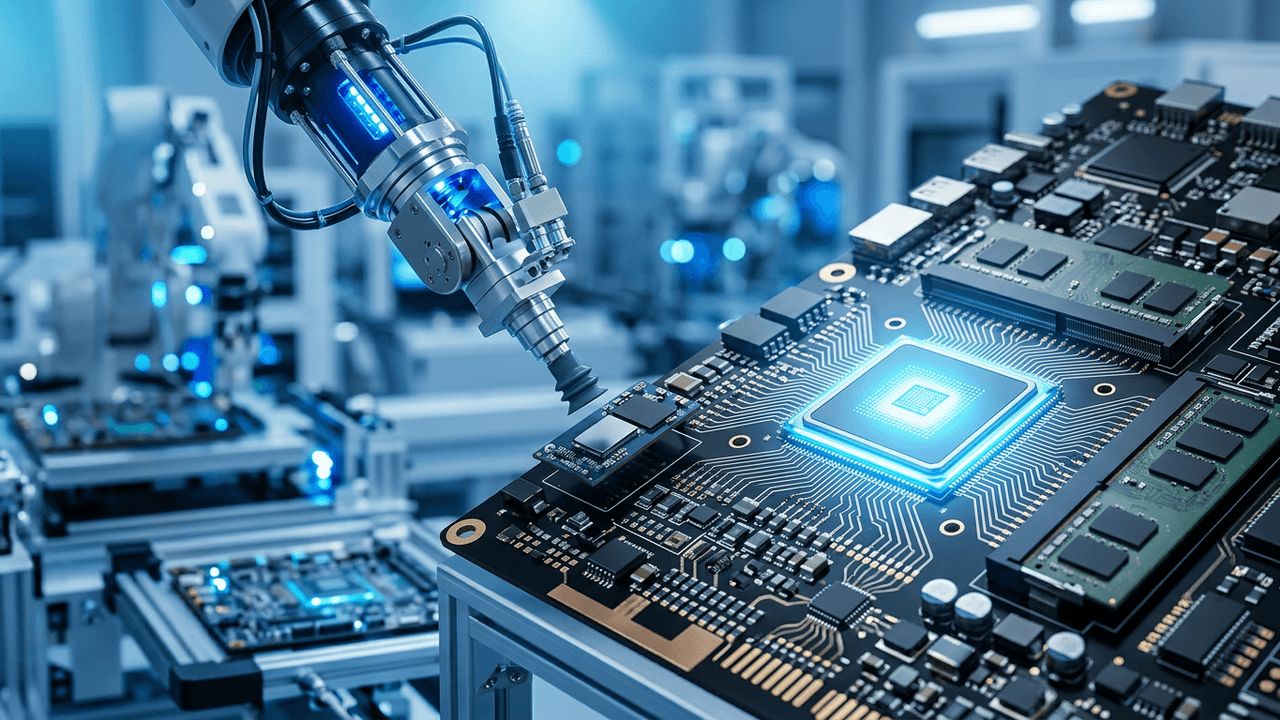
Technology Roots in Silicon Glen
West Lothian occupies a notable place in Scottish technology history. Livingston and the surrounding area formed part of Silicon Glen, the corridor of electronics manufacturing that brought international hardware production to central Scotland from the 1970s onwards. While large-scale assembly has largely moved elsewhere, the legacy remains in the local skills base, a cluster of technology firms and an unusually informed consumer market that tends to ask sharper questions than average about specification and support.
Residents and businesses buy computers through national retailers with local branches, independent specialists offering custom builds and repair, and direct manufacturer channels. Each route suits different needs, and the right choice depends as much on the support you will want in three years as on the price today.
Matching Hardware to Actual Use
The most common purchasing mistake is buying on headline specification rather than genuine requirement. A student writing essays, browsing and streaming needs a reliable processor, sufficient memory for comfortable multitasking, fast solid state storage and above all good battery life and a comfortable keyboard. A designer or video editor needs strong sustained processing performance, substantial memory, colour-accurate display and capable graphics. A gamer needs discrete graphics above all. An office worker needs reliability, security features and manageability rather than raw speed.
Three specifications matter more than most buyers realise. Memory is the most common bottleneck in everyday use and is increasingly soldered, so it cannot be upgraded later. Storage should always be solid state rather than mechanical, as the difference in perceived speed is dramatic. Display quality, including brightness, colour accuracy and resolution, affects daily experience far more than a modest processor upgrade.
1. Apple
Apple's Mac range built on its own silicon has substantially changed expectations around performance and battery life in portable computers. The appeal lies in build quality, display excellence, long software support, strong resale value and an ecosystem that works seamlessly with iPhone and iPad. The trade-offs are premium pricing, limited configurability after purchase and reduced compatibility with certain specialist Windows software. It remains the default choice in creative fields and increasingly common in business.
2. Dell
Dell serves both consumer and enterprise markets with unusual breadth. The XPS line competes at the premium end with excellent displays and construction, while Latitude and OptiPlex ranges dominate business procurement thanks to manageability features, predictable product cycles and comprehensive on-site warranty options. For organisations, Dell's service infrastructure and configurable support tiers are often the deciding factor rather than the hardware itself.
3. Lenovo
Lenovo's ThinkPad range retains a strong reputation for keyboard quality, durability and serviceability, making it a long-standing favourite among professionals who type extensively and organisations that value repairability. The consumer IdeaPad and Yoga lines offer good value and versatile convertible designs, while Legion covers gaming. Lenovo generally delivers strong specification per pound across its range.
4. HP
HP maintains a substantial presence in both home and business computing. The Spectre and Envy lines offer well-built premium portables, EliteBook and ProBook target business buyers with security and management features, and the company's printing ecosystem often influences purchasing where integrated support contracts are attractive. HP's breadth means careful model selection matters, as quality varies considerably between tiers.
5. ASUS
ASUS is respected for engineering ambition and value, spanning ultraportable ZenBook models, ROG gaming machines and ProArt systems aimed at creative professionals. The company frequently introduces innovative display and cooling technology, and its component heritage in motherboards and graphics cards lends credibility with technically informed buyers who make up a notable portion of the local market.
6. Acer
Acer competes strongly on price, offering capable machines at accessible points that suit students, families and budget-conscious buyers. The Swift and Aspire lines cover everyday computing while Predator addresses gaming. Buyers should read specifications carefully at the lower end, where build materials and display quality are where cost is saved, but well-chosen Acer models represent genuine value.
7. Microsoft Surface
Surface devices combine distinctive industrial design with tight Windows integration, appealing to users who want tablet flexibility alongside laptop capability. The high-resolution displays and pen support suit note-taking, annotation and presentation work. Repairability has historically been limited, though recent models have improved, and the premium pricing reflects design rather than raw specification.
8. MSI
MSI focuses on gaming and content creation, producing systems with powerful graphics, sophisticated cooling and high-refresh displays. Its machines tend to prioritise sustained performance over portability, which suits users doing rendering, simulation or competitive gaming. The brand is well regarded among enthusiasts who understand thermal design and are willing to accept size and weight for capability.
9. Framework
Framework has attracted attention for modular laptops designed to be repaired and upgraded by the owner, with replaceable memory, storage, ports and even mainboards. For buyers concerned about electronic waste and long-term ownership cost, this represents a genuine alternative to the sealed designs that dominate the market, and it resonates with the region's engineering-minded consumers.
10. Custom Built Systems
Independent specialists across West Lothian assemble desktop systems to individual specification using components from established manufacturers. For gaming, workstation and enthusiast use, custom builds typically deliver better performance per pound than pre-built equivalents, with the additional advantages of component-level upgradeability, local warranty support and a person you can actually speak to when something goes wrong.
Support, Security and Total Cost
Purchase price is only part of ownership cost. Consider warranty length and whether it includes on-site repair or requires shipping the machine away, which can mean weeks without a working computer for a business. Check whether memory and storage are upgradeable, as this determines useful life. For business buyers, hardware security features, firmware update policy and fleet management tools matter considerably. For everyone, battery replaceability and parts availability affect how long a machine remains practical.
Conclusion
The right computer brand depends entirely on what you need the machine to do and how you expect to support it over several years. West Lothian buyers benefit from access to the full range of national retail alongside knowledgeable independent specialists whose advice and after-sales service frequently justify a modest price premium. Define your actual workload first, prioritise memory, storage type and display quality, and then choose the brand whose support model best fits your circumstances.
Want your brand featured in front of decision-makers? Publish a guest post or get a link insertion in our guides through AAMAX's guest post and link insertion service.
Helpful Links
 SponsoredAAMAX — Full-Service Digital Agency
Write for Us
Share your expertise with our readers. We welcome guest contributions from industry specialists.
Pitch your idea