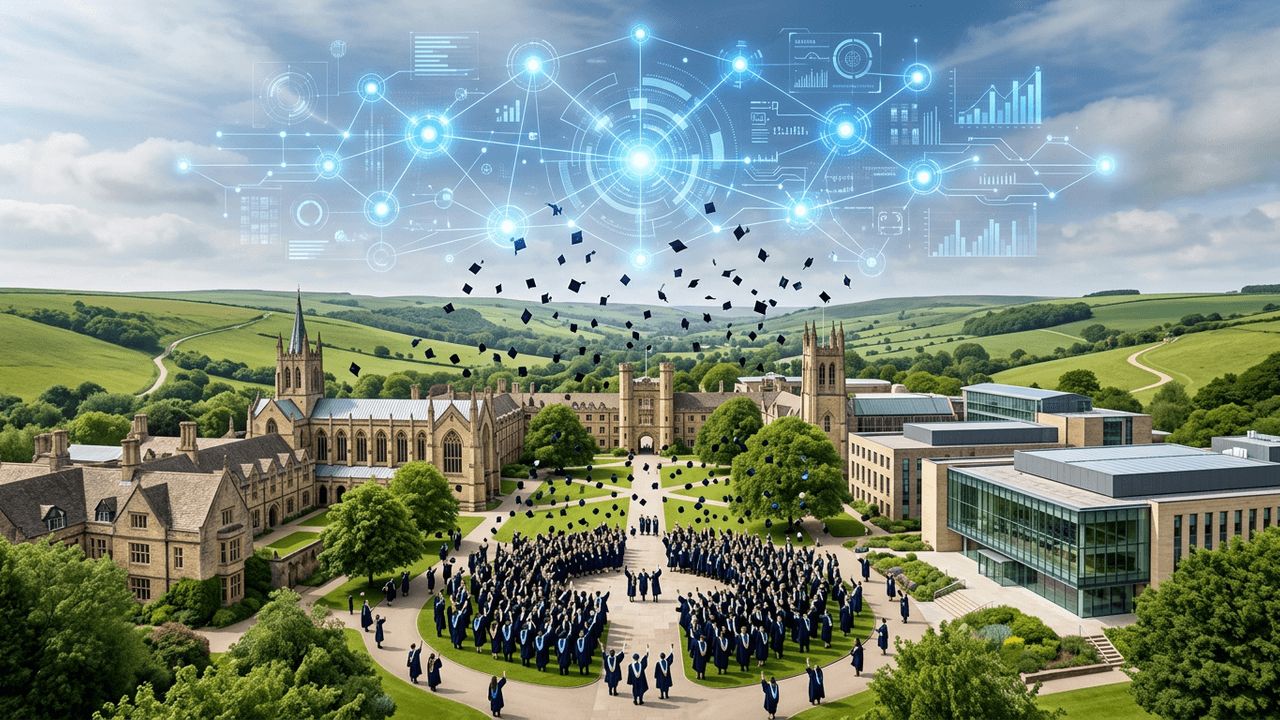
Post-16 Education in Colchester
Colchester has one of the strongest post-16 education offers in the East of England. That reputation rests on a combination of a large and highly regarded sixth form college, a comprehensive further education institute delivering technical and professional qualifications, school sixth forms with established academic records, and a network of independent training providers running apprenticeships and adult courses.
The breadth matters because post-16 choices have diverged considerably. A student aiming for a competitive university course, one seeking a hands-on technical qualification, and an adult retraining while working all need different provision. Colchester supports all three within a relatively small geographic area, served by good bus and rail links.
Ten Leading Colleges and Training Providers in Colchester
1. Colchester Sixth Form College is the flagship academic institution, offering an unusually wide range of A level subjects, excellent teaching, strong university progression including Russell Group and Oxbridge places, and a mature college atmosphere that helps students transition towards independent study.
2. Colchester Institute is the city's principal further education college, delivering technical and vocational programmes across engineering, construction, health and social care, computing, business, hospitality, hairdressing and the creative arts, alongside higher education courses and apprenticeships.
3. Philip Morant School and College sixth form provides a school-based route with smaller cohorts, familiar surroundings for continuing students and a solid mix of academic and applied qualifications.
4. Colchester Royal Grammar School sixth form offers highly academic A level study with exceptional results, admitting external students by competitive entry and known for rigorous subject teaching and university preparation.
5. Colchester County High School for Girls sixth form similarly delivers outstanding academic provision, with strong STEM uptake and well-developed enrichment and leadership opportunities.
6. Colchester Institute School of Art and Design deserves separate mention for its long-standing creative reputation, with studio facilities supporting graphic design, fine art, photography, fashion and music production.
7. Essex Apprenticeship Training Centre works with local employers to deliver apprenticeship frameworks in engineering, construction trades, business administration and digital roles, combining paid employment with structured study.
8. North Essex Adult Community Learning provides part-time and evening courses for adults, including English, mathematics, digital skills, languages and vocational refreshers, often at low or no cost for eligible learners.
9. Colchester Business and Professional Training focuses on short professional qualifications, including accounting, project management, health and safety and leadership programmes suited to working learners.
10. St Helena Sixth Form Provision completes the list, offering accessible post-16 pathways with strong pastoral support for students who benefit from continuity and smaller class settings.
Understanding the Qualification Options
A levels remain the most common route to university, with three subjects studied in depth over two years. T Levels are the newer technical alternative, equivalent in size to three A levels, combining classroom learning with a substantial industry placement, and they suit students confident about a specific sector such as construction, digital or health.
BTEC and other vocational diplomas provide applied, coursework-heavy study that many students find more manageable than examination-dominated courses, and they remain widely accepted by universities. Apprenticeships offer paid employment with training, which appeals to those who prefer working environments and want to avoid tuition debt. Access to Higher Education diplomas allow adults without traditional qualifications to progress into degree study.
How to Choose the Right College
Start with the destination rather than the institution. If a specific degree is the goal, check its entry requirements carefully, since some courses specify particular A level subjects. If employment in a trade or technical field is the aim, an apprenticeship or T Level with genuine employer links is likely to serve better than academic study.
Then assess the college itself. Look at facilities relevant to your subject, ask about class sizes and contact hours, and enquire about progression data for your intended pathway rather than headline figures. Consider practicalities too: travel time, timetable structure, and whether the college offers the enrichment, sport or work experience you want.
Trends in Further Education
Technical education has gained real credibility. T Levels, higher technical qualifications and degree apprenticeships have created routes to skilled, well-paid careers without a traditional three-year degree, and employers in Colchester's engineering, healthcare and construction sectors increasingly recruit through them.
Digital skills now cut across every subject, with data literacy, cybersecurity awareness and applied software use embedded into programmes far beyond computing courses. Green skills are expanding, driven by demand for heat pump installation, retrofit, electric vehicle maintenance and renewable energy work. Meanwhile, wellbeing and study skills support has become a core part of college provision rather than an add-on, reflecting a better understanding of the transition pressures facing sixteen to nineteen year olds.
Practical Advice for Applicants
Apply early, since popular courses fill and interview slots are limited. Attend open events and speak to current students rather than relying on prospectuses. Be realistic about entry requirements and have a considered alternative. If you are unsure about a sector, look for courses with work experience built in, because a placement clarifies career direction faster than any careers questionnaire.
Adults returning to study should check funding eligibility carefully, as advanced learner loans, adult education budget support and employer sponsorship can substantially reduce costs.
Final Thoughts
Colchester's post-16 landscape is genuinely strong, spanning elite academic sixth forms, a broad technical college, creative studios, apprenticeship providers and adult learning. The ten institutions profiled here demonstrate that range. The best choice is the one aligned with where you want to be in three years, not simply the one with the most familiar name.
Want your brand featured in front of decision-makers? Publish a guest post or get a link insertion in our guides through AAMAX's guest post and link insertion service.
Helpful Links
 SponsoredAAMAX — Full-Service Digital Agency
Write for Us
Share your expertise with our readers. We welcome guest contributions from industry specialists.
Pitch your idea