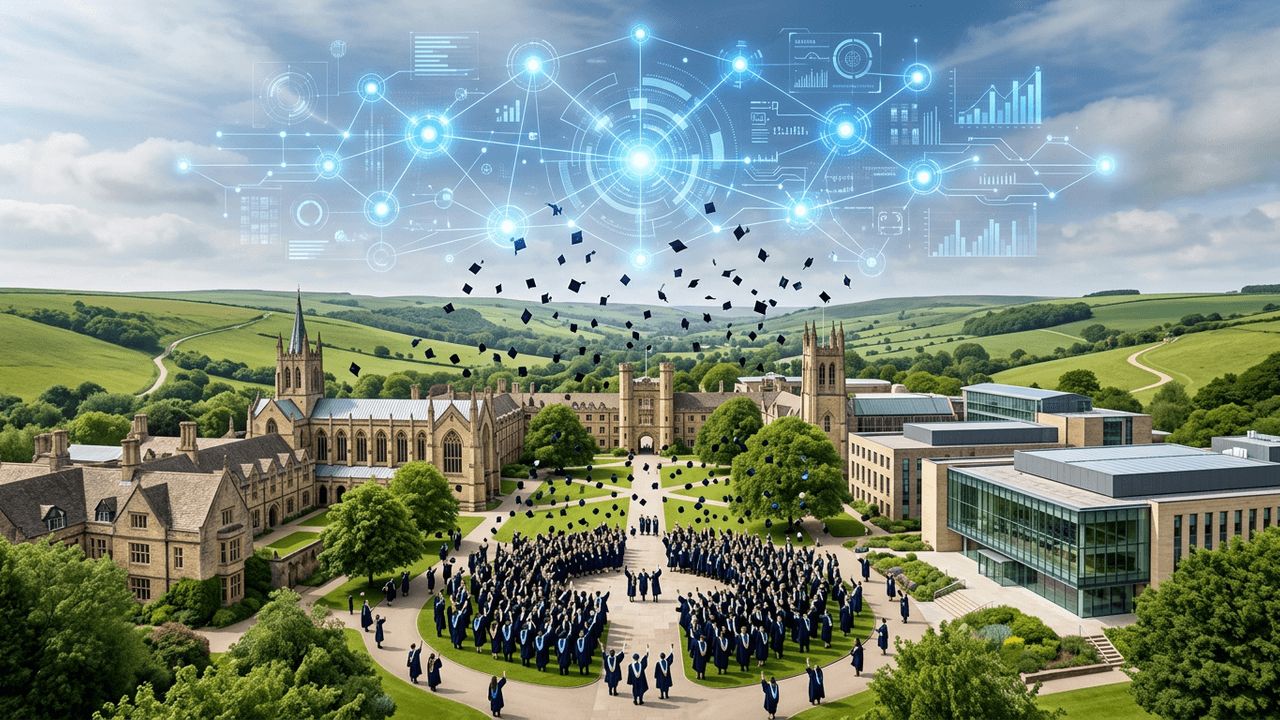
Further Education Across Arun
Further education plays an outsized role in a district like Arun. Its economy is built on sectors that depend heavily on technical and vocational skills, including construction, engineering, horticulture, hospitality, health and social care, marine services, and increasingly digital and creative work. Colleges are the main mechanism through which those skills are developed locally, and their course portfolios reflect the district's employment realities.
Students in Arun typically choose between school sixth forms, general further education colleges in and around the district, and specialist providers. Because several major colleges sit just beyond the district boundary in Chichester, Worthing and Brighton, transport is a genuine part of the decision. A course that looks ideal on paper becomes far less attractive if it requires two buses and a train each morning, so realistic travel assessment matters as much as course content.
How to Compare Colleges
Start with course specialism. Colleges differ substantially in where they invest, and a provider with a strong engineering workshop may have limited creative arts facilities, or vice versa. Look at the qualification type on offer, since A levels, T levels, BTEC-style vocational diplomas and apprenticeships lead to different destinations and suit different learning styles.
Facilities and equipment deserve direct inspection. Technical courses depend on industry-standard workshops, laboratories, salons, kitchens or studios, and the quality of these is immediately visible on an open day. Employer links are equally important, since work placements, industry projects and apprenticeship partnerships determine how employable a qualification actually makes a student. Progression data showing where former students went, whether into employment, apprenticeships or university, is more revealing than pass rates alone. Support services including careers guidance, learning support, financial assistance and wellbeing provision round out the assessment.
Ten Colleges Serving Arun Students
1. Chichester College is the largest and most influential further education provider for the district, with an extensive portfolio spanning construction, engineering, computing, business, art and design, hospitality, health and animal management. Its scale, industry-standard facilities and strong apprenticeship provision make it the default choice for many Arun students.
2. Northbrook College in the Worthing area has a strong reputation in creative and technical subjects including music, media, performing arts, engineering and construction. Its specialist studios and workshops attract students from across the coastal strip seeking a genuinely practical creative education.
3. Brinsbury College, the land-based campus near Pulborough, serves students interested in agriculture, horticulture, animal care, equine studies, arboriculture and countryside management. For Arun students from the district's rural and horticultural communities, it offers specialist provision unavailable elsewhere locally.
4. Worthing College focuses primarily on A level provision with a sixth-form college atmosphere, offering a wide subject range and strong support for university progression. Students seeking an academic route with more independence than a school sixth form often prefer this environment.
5. Greater Brighton Metropolitan College provides a broad vocational and technical offer across multiple campuses, including construction, engineering, digital, health and public services. Its breadth and its links with regional employers make it a serious option for students willing to travel east.
6. The Littlehampton Academy Sixth Form allows students to continue post-16 study within a familiar setting, combining A levels and vocational courses with established pastoral support. Continuity and short travel distances are significant practical advantages for local students.
7. Felpham Community College Sixth Form similarly offers post-16 study close to home for students in the Bognor Regis area, with a focus on academic progression, university guidance and enrichment activity alongside the core curriculum.
8. St Philip Howard Catholic School Sixth Form provides a values-based post-16 environment serving students from across the district, with small teaching groups, close tutorial support and strong progression to higher education.
9. Chichester College Bognor Regis provision brings further education delivery closer to the eastern side of the district, reducing travel burdens for students in Bognor Regis, Felpham and Middleton-on-Sea while retaining access to a large college's resources and employer network.
10. Sussex Skills Solutions represents the apprenticeship and adult skills training sector, delivering workplace-based qualifications, professional courses and retraining programmes. For adults in Arun changing career or upskilling while working, this type of provider is frequently more suitable than a full-time college course.
Trends in Further Education
Technical qualifications have been substantially reformed, with T levels introducing extended industry placements and a stronger employer role in course design. Apprenticeships continue to grow in status, including higher and degree apprenticeships that allow students to reach graduate-level qualifications while earning. Digital skills have been embedded across nearly all subject areas rather than confined to computing courses. Green skills, particularly in construction, energy and land management, are expanding rapidly and are highly relevant to the Sussex coastal economy. Adult retraining provision has also broadened as career changes become more common.
Choosing the Right Pathway
Begin with the destination rather than the course. If a specific career requires a degree, an academic route with strong A level or equivalent grades is usually the most direct path. If the goal is a skilled trade or technical role, a vocational qualification or apprenticeship often produces better employment outcomes and avoids student debt. Attend open events and speak to tutors about typical progression rather than relying on prospectus descriptions. Check the practical realities of travel, timetable structure and any equipment or kit costs. Investigate bursaries and travel support, which are available to many students and frequently underclaimed. Finally, remember that pathways are not permanent: vocational qualifications can lead to university, and academic students can move into apprenticeships, so the first choice matters less than making a considered one.
Want your brand featured in front of decision-makers? Publish a guest post or get a link insertion in our guides through AAMAX's guest post and link insertion service.
Helpful Links
 SponsoredAAMAX — Full-Service Digital Agency
Write for Us
Share your expertise with our readers. We welcome guest contributions from industry specialists.
Pitch your idea