

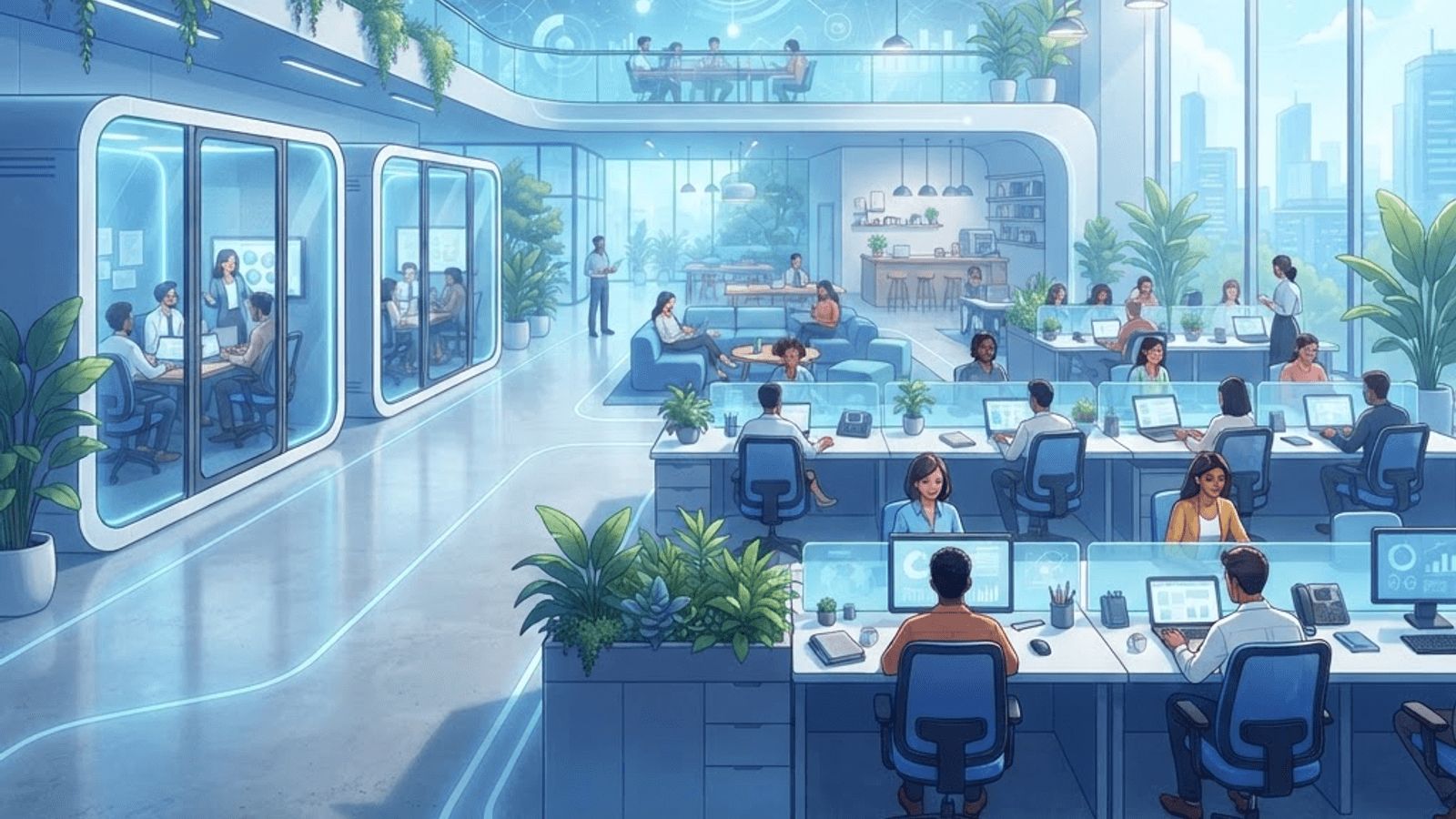
Why Lancaster Became a Co-working City
Lancaster's transformation from a quiet market town into a genuine hub for independent professionals did not happen by accident. A walkable downtown, a dense cluster of restored industrial buildings, comparatively low rents and a rail connection that puts Philadelphia and New York within commuting reach created ideal conditions for flexible workspace to flourish. When distributed work became the norm, the city already had the bones: high-ceilinged warehouses, brick storefronts and a creative community that had been collaborating informally for years.
Today the local co-working landscape spans everything from polished executive suites with private offices and conference technology, to raw artist-friendly studios where woodworkers and screen printers share tools alongside software developers. That diversity is the city's real advantage. A solo copywriter, a five-person agency and a manufacturing startup that needs prototyping space can all find a home here without leaving the county.
What to Look for in a Lancaster Co-working Space
Before comparing individual spaces, it helps to know which variables actually affect your daily experience. Internet reliability and upload speed matter enormously if your work involves video calls or large file transfers. Ask about redundant connections, not just advertised bandwidth. Acoustic design is the second most underrated factor: an open floor with hard surfaces and no phone booths will frustrate anyone who spends hours on calls.
Then consider access hours, parking, meeting room credits, mail handling, and whether the community skews toward your industry. In Lancaster, parking deserves particular attention. Downtown locations offer unmatched walkability to coffee shops, Central Market and evening events, but street parking is metered and garages add a monthly cost. Suburban and edge-of-city spaces trade that energy for free lots and easier highway access.
The Ten Best Co-working Spaces in Lancaster
1. Candy Factory Coworking. Housed in a converted confectionery building, Candy Factory is widely regarded as the anchor of Lancaster's co-working scene. It offers open desks, dedicated desks and private offices across multiple floors, along with an active events calendar that includes talks, member lunches and creative meetups. Its long tenure means the member network is deep, spanning designers, nonprofit staff, consultants and tech founders.
2. The Candy Factory Annex. The overflow and expansion floors function almost as a separate product, with quieter studio-style rooms suited to teams that want a private door without committing to a commercial lease. Members share amenities with the main building while enjoying a calmer atmosphere.
3. Rock Lititz Pod 2 Coworking. A short drive north, this space sits inside a campus built around the live event production industry. It is unlike anything else in the region: members work alongside lighting designers, rigging engineers and touring production companies. For anyone in entertainment, fabrication or creative technology, the adjacency alone justifies the membership.
4. Southern Market. The restored market house downtown combines a food hall on the ground floor with modern workspace above. The appeal is obvious. Coffee, lunch and a change of scenery are one staircase away, and the building's civic character makes it a natural place to host clients.
5. Rocket Coworking. Positioned toward startups and small technology teams, Rocket emphasizes affordable entry tiers, flexible month-to-month terms and a no-frills environment where the focus stays on building. It is a practical choice for bootstrapped founders watching every line item.
6. Zoetropolis Collective Workspace. Blending arts programming with desk rental, this option attracts filmmakers, writers and independent media producers. The cultural programming that surrounds it creates a genuinely different rhythm from a conventional office.
7. The Barn Coworking. Located on the outskirts where farmland meets suburb, this converted agricultural building offers free parking, generous natural light and a slower pace. It suits professionals who want focus over networking and who would rather avoid downtown congestion.
8. Union Coworking. A boutique operation with a smaller member cap, Union prioritizes design quality and quiet. Members typically cite the ergonomic furniture, well-planned phone rooms and consistently clean common areas as the reason they stay.
9. Lancaster Chamber Business Hub. Operated in connection with regional business support organizations, this space pairs desks with mentorship, workshops and access to advisors. Early-stage entrepreneurs benefit as much from the programming as from the workstation.
10. Keystone Executive Suites. The most traditional option on the list, offering private lockable offices, receptionist services, dedicated phone lines and formal boardrooms. Law practices, accountants, financial advisors and consultants who need a professional client-facing address gravitate here.
Pricing Expectations and Membership Models
Lancaster remains meaningfully cheaper than Philadelphia or Northern Virginia. Day passes generally sit in the low double digits, flexible hot-desk memberships occupy a modest monthly band, dedicated desks cost noticeably more, and private offices scale with square footage and headcount. Many operators bundle meeting room hours, printing allowances and after-hours access into higher tiers, so compare the total package rather than the headline rate.
Watch for hidden variables such as guest policies, mail and package handling fees, parking validation and the notice period required to cancel. Several local operators offer discounted annual commitments, which can be worthwhile once you have tested a space for a month.
Trends Shaping the Local Market
Three trends stand out. First, hybrid corporate teams are booking co-working space as satellite offices, reducing commutes for employees who live in Lancaster County but work for firms elsewhere. Second, operators are investing in acoustic infrastructure, adding sound-treated booths and small video rooms as calls dominate the workday. Third, wellness and community programming have become genuine differentiators, with fitness partnerships, member breakfasts and skill-sharing sessions increasingly common.
How to Choose
Tour at least three spaces at the time of day you would normally work, not during a quiet mid-morning showing. Bring your laptop, run a real video call, and test the internet under load. Talk to current members about noise, cleanliness and how responsive management is. Above all, be honest about whether you want a community or simply a quiet desk, because Lancaster offers excellent versions of both, and choosing the wrong one is the most common reason people switch.
Want your brand featured in front of decision-makers? Publish a guest post or get a link insertion in our guides through AAMAX's guest post and link insertion service.
Helpful Links
 SponsoredAAMAX — Full-Service Digital Agency
Write for Us
Share your expertise with our readers. We welcome guest contributions from industry specialists.
Pitch your idea

