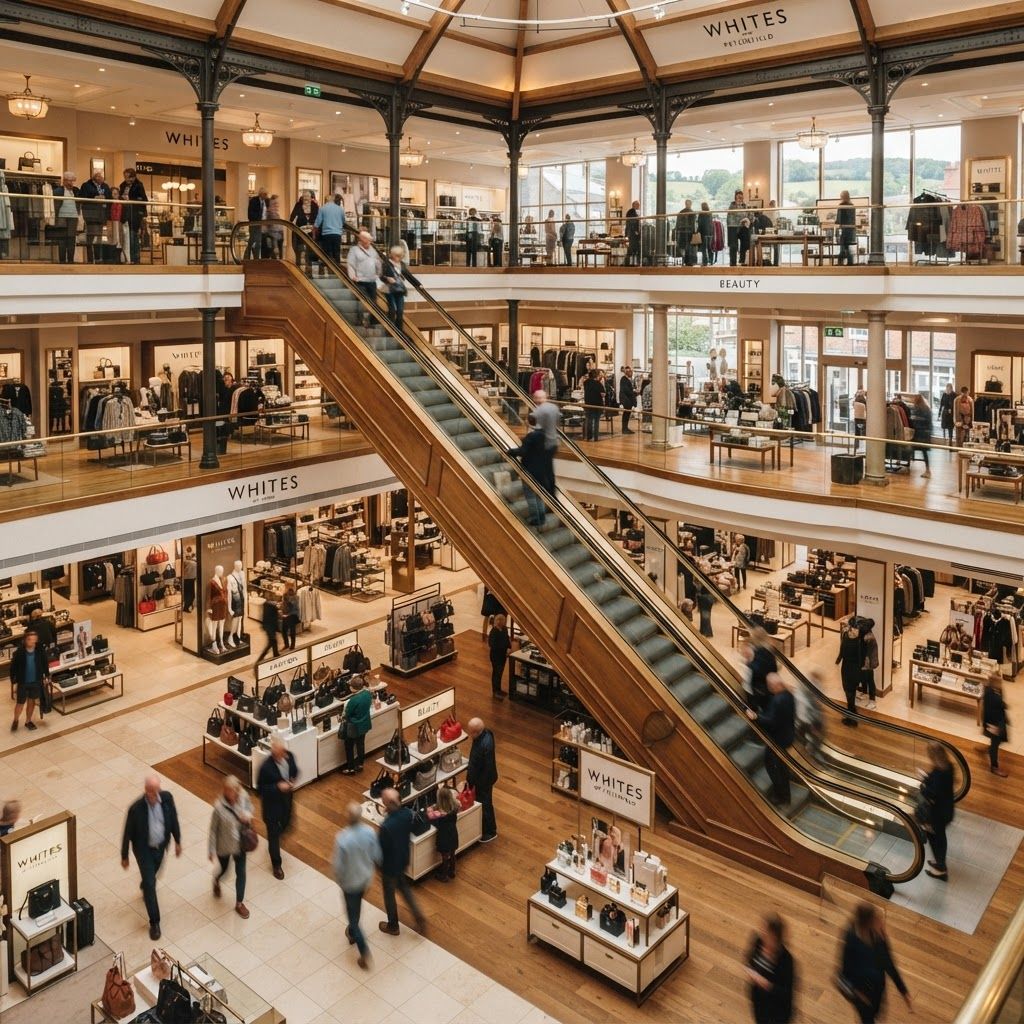
Apparel Wholesale for a Prosperous Market Town
St Albans has a genuinely healthy independent retail scene, which is increasingly unusual for a town of its size. The streets around the market, French Row and the areas radiating from the clock tower host independent boutiques, gift shops and lifestyle retailers that survive alongside national chains. The district also contains numerous schools requiring uniform, a busy hospitality sector needing staff clothing, construction and trade businesses buying workwear, and sports clubs ordering kit. Every one of those buyers depends on clothing wholesalers.
Wholesale apparel supply is not a single business model but several distinct ones, and confusing them causes frustration. A boutique buying seasonal fashion works from brand agents and trade shows with long lead times and forward ordering. A print and embroidery business buying blank garments needs continuous stock availability and colour consistency across reorders. A company buying uniform needs sizing ranges, durability and multi-year availability. These are different suppliers entirely.
Understanding the Wholesale Apparel Segments
Blank garment wholesalers supply undecorated t-shirts, polos, sweatshirts, hoodies, jackets, caps and bags intended for printing or embroidery. Their model depends on holding enormous stock depth across sizes and colours so a decorator can reorder identical items months later. Consistency matters more than fashion here.
Fashion wholesalers and brand agents supply boutiques with seasonal collections, typically requiring orders several months ahead of delivery with minimum quantities per style. Some operate on faster cycles, offering in-season stock that lets retailers respond to demand quickly.
Workwear and PPE distributors supply hi-visibility clothing, protective garments, safety footwear, hospitality uniforms and healthcare wear. Compliance with protective standards is central, and buyers need documentation proving garments meet specified protection classes.
Schoolwear and teamwear suppliers provide uniform, sportswear and club kit, often with embroidery or heat transfer decoration included, and depend on reliable availability through peak seasonal demand.
Ten Notable Clothing Wholesalers and Suppliers
1. Fruit of the Loom is a foundational blank garment brand in the promotional apparel trade, valued for consistent sizing, broad colour ranges and wide availability through multiple distributors.
2. Gildan similarly anchors the blanks market with reliable, competitively priced garments and deep stock, making it a default choice for high-volume print work.
3. Stanley/Stella has built a strong reputation for organic cotton and recycled blank garments with contemporary fits, appealing to brands that need sustainability credentials alongside print suitability.
4. Ralawise operates as a major UK distributor of blank and decorated apparel, offering same-day despatch, extensive brand coverage and in-house decoration services for trade customers.
5. PenCarrie is another leading UK garment distributor known for very broad brand ranges, reliable stock information and next-day delivery that supports fast-turnaround decorating businesses.
6. Portwest manufactures and supplies workwear, hi-visibility clothing and PPE with certified protection standards, serving construction, logistics and industrial customers.
7. Dickies provides durable workwear with strong brand recognition among trades, combining protective function with garments people are willing to wear off site.
8. Regatta Professional supplies outdoor and corporate workwear including softshells, fleeces and waterproofs suited to field-based staff and branded corporate clothing programmes.
9. Banner and comparable schoolwear suppliers deliver uniform ranges, sportswear and embroidered school-specific garments with the seasonal capacity that back-to-school demand requires.
10. Independent fashion wholesalers and brand agents serving Home Counties boutiques provide curated seasonal collections with lower minimum orders, enabling small retailers to differentiate from chain stores.
Trends in Wholesale Clothing
Sustainability has moved from marketing angle to procurement requirement. Organic cotton certification, recycled polyester content, water-reduction dyeing processes and factory audit transparency now appear routinely in tender documents, particularly for corporate uniform programmes with public sustainability commitments.
On-demand decoration has changed inventory economics dramatically. Direct-to-garment and direct-to-film printing let a retailer or club offer many designs without pre-committing stock, and wholesalers holding deep blanks inventory make that possible by absorbing the stock risk instead.
Size inclusivity has expanded considerably, with extended size ranges and properly graded women's fits becoming expected rather than exceptional. Uniform programmes in particular now require genuinely inclusive sizing rather than unisex garments cut for one body shape.
Supply chain transparency has intensified, with buyers asking about factory locations, audit results and labour standards. Wholesalers able to answer these questions credibly have gained advantage with institutional customers.
How to Choose a Clothing Wholesaler
Match the supplier to your business model before comparing prices. If you decorate garments, prioritise stock depth, reorder consistency and despatch speed above all else, because a customer reordering twenty identical polo shirts next year needs the same garment in the same colour. If you retail fashion, prioritise exclusivity, minimum order flexibility and margin structure.
Always order samples before committing to volume. Sizing charts vary substantially between brands, and a garment that fits well in one label may run noticeably small in another. Wash samples repeatedly to assess shrinkage, colour retention and seam durability, since that is where quality differences appear.
For workwear and PPE, verify certification to the relevant protection standards and obtain the declaration of conformity. Protective clothing that has not been properly certified exposes an employer to genuine liability, not merely a quality disappointment.
Clarify minimum order quantities, carriage-paid thresholds, returns policy on unsold or incorrect stock, and whether the wholesaler will hold stock exclusively for a contract. For uniform programmes running several years, ask for written assurance on style continuity, because a discontinued garment mid-programme creates a real problem.
Final Thoughts
Clothing wholesalers serving St Albans support a diverse local demand base, from independent boutiques on historic streets to construction firms, schools and sports clubs across the district. Choosing the right one depends on understanding whether your priority is fashion differentiation, reorder consistency, certified protection or seasonal capacity, and matching that priority to a supplier built to deliver it.
Want your brand featured in front of decision-makers? Publish a guest post or get a link insertion in our guides through AAMAX's guest post and link insertion service.
Helpful Links
 SponsoredAAMAX — Full-Service Digital Agency
Write for Us
Share your expertise with our readers. We welcome guest contributions from industry specialists.
Pitch your idea