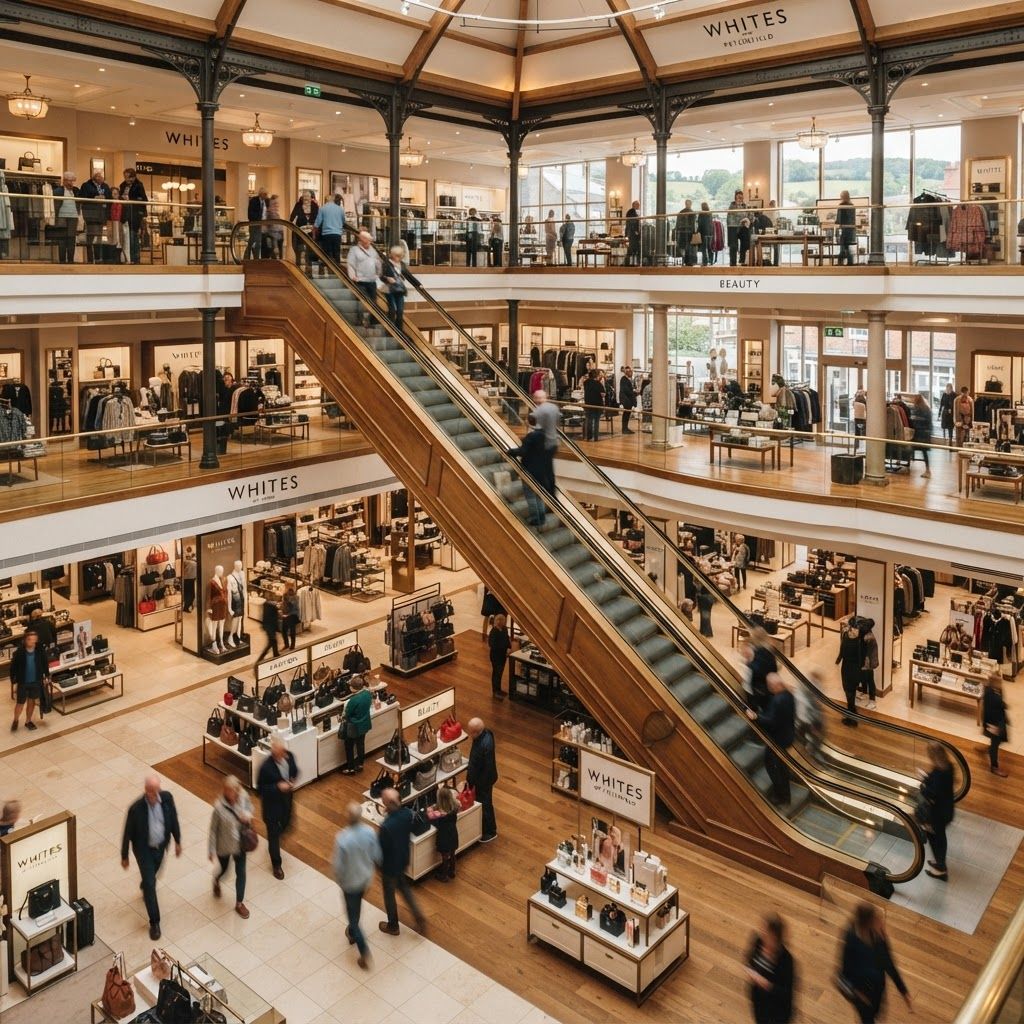
Fashion Wholesale in a Boutique Borough
Kensington and Chelsea is one of the most concentrated fashion retail districts in Europe. Sloane Street, the King's Road, Walton Street, Westbourne Grove and Kensington Church Street together host hundreds of independent boutiques alongside international flagship stores. Behind that retail landscape sits a wholesale infrastructure that is equally significant but far less visible.
Fashion wholesale in the borough operates primarily through showrooms and agencies rather than warehouses. Brands appoint agents who represent their collections to buyers, hold sample ranges, take seasonal orders and manage the relationship through delivery. Many of these showrooms are located in or close to the borough precisely because their buyers are.
The model suits independent retail well. A boutique owner can view multiple collections in a single day, negotiate terms, place modest opening orders and build relationships that grant access to limited pieces in subsequent seasons.
Trends in Fashion Wholesale
Order cycles have become more flexible. The rigid two-season calendar has given way to more frequent, smaller drops, allowing retailers to respond to demand rather than committing months ahead to entire ranges. Wholesalers offering in-season reorder capability have a clear advantage.
Sustainability credentials are now routinely requested by buyers. Fibre traceability, factory audit records and clear information on materials have become standard expectations rather than differentiators, and brands that cannot supply them find doors closing.
Digital wholesale platforms have transformed the mechanics of ordering. Linesheets, stock levels and reorder functions now sit online, though the borough's buyers continue to value seeing and handling garments before committing, which is why physical showrooms endure.
Smaller minimum order quantities have opened wholesale to genuinely independent retailers. Brands that once demanded substantial opening orders now frequently accept curated selections, recognising that boutiques provide valuable brand exposure and customer feedback.
Ten Clothing Wholesale Names Relevant to the Borough
1. Barbour Wholesale — A heritage British outerwear brand with a strong trade programme, valued by retailers for consistent demand, reliable delivery and excellent repair and reproofing support that drives repeat customer contact.
2. Sunspel — A British manufacturer of fine cotton essentials with a respected wholesale operation, distinguished by fabric quality and by production standards that support premium retail pricing.
3. Paul Smith Wholesale — A leading British designer brand with an established trade showroom presence, known for distinctive prints and for collections that sell reliably in independent stores.
4. Ralph Lauren Wholesale — A major international brand with substantial London trade operations, valued for brand recognition, merchandising support and broad product breadth across categories.
5. Reiss Wholesale — A contemporary British label with strong trade relationships, appreciated for on-trend design at accessible premium price points.
6. Universal Works — An independent British brand distributed widely to boutiques, known for well-made workwear-inspired pieces and for supporting small retailers with sensible minimums.
7. Anna Bey Agency style multi-brand showrooms — Representative of the borough's showroom sector, these agencies carry portfolios of European and British labels, offering boutiques curated access to several brands in one appointment.
8. Alpha Fashion and comparable London wholesale suppliers — Trade suppliers providing fast-turnaround contemporary womenswear, useful for retailers needing to refresh stock quickly between main season deliveries.
9. Fruit of the Loom trade distribution — A leading supplier of blank garments for printing and embroidery, widely used by the borough's schools, clubs, galleries and hospitality businesses for uniforms and merchandise.
10. Continental Clothing Company — A wholesaler specialising in organic and sustainably produced blank apparel, valued by brands and institutions with environmental purchasing policies.
How Independent Retailers Buy Well
Margin structure is the starting point. A retailer needs to understand the wholesale price, the recommended retail price and whether the brand enforces pricing consistency. Brands that permit widespread discounting elsewhere erode the value of stocking them.
Delivery reliability makes or breaks a season. A collection arriving weeks late misses its selling window entirely, leaving the retailer holding stock that must be marked down. Asking other stockists about a brand's delivery record is one of the most useful pieces of due diligence available.
Sizing consistency matters enormously for boutiques with loyal customers. Brands whose fit changes between seasons generate returns and undermine confidence. Established makers with stable blocks are far easier to sell repeatedly.
Exclusivity arrangements deserve discussion. In a borough with many boutiques within walking distance, securing area exclusivity on a brand protects the investment a retailer makes in building its audience.
Terms and returns policy should be clarified in writing. Whether faulty goods are credited, how late deliveries are handled and what payment terms apply all affect cash flow substantially for a small business.
The Borough Context
Retail in Kensington and Chelsea serves a customer base that is international, discerning and unusually willing to pay for quality and originality. This shapes buying strategy: distinctive, well-made pieces outperform generic fashion, and brands with a genuine story tend to sell better than those competing purely on price.
Seasonality is also distinctive. The borough's population shifts through the year, with a significant international presence during warmer months. Buyers who understand this adjust their stock weighting accordingly rather than following standard national patterns.
Uniform and merchandise wholesale forms a parallel market. Restaurants, hotels, schools and cultural institutions across the borough buy substantial quantities of branded apparel, and suppliers who can combine quality blanks with reliable decoration services do consistent business.
Final Thoughts
Clothing wholesale connected to Kensington and Chelsea operates at the considered end of the market, built on showroom relationships, quality manufacture and reliable delivery rather than volume discounting. For boutique owners, the right wholesale partners provide not just stock but a genuine commercial relationship that supports the business through seasons of varying strength.
Want your brand featured in front of decision-makers? Publish a guest post or get a link insertion in our guides through AAMAX's guest post and link insertion service.
Helpful Links
 SponsoredAAMAX — Full-Service Digital Agency
Write for Us
Share your expertise with our readers. We welcome guest contributions from industry specialists.
Pitch your idea