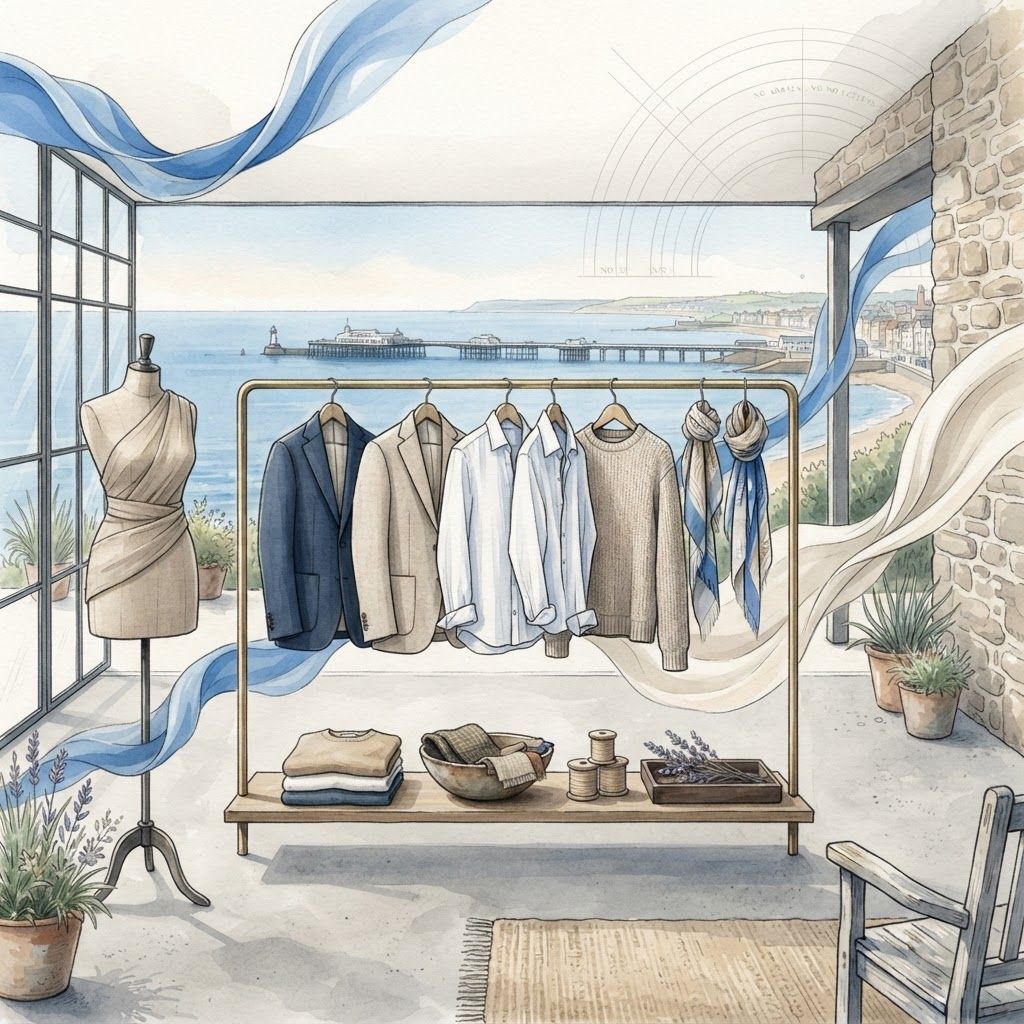
Fashion in a Seaside Town
Southend-on-Sea has a clothing culture shaped by three influences that rarely combine elsewhere. It is a genuine seaside resort, so summer footfall, holiday dressing and beachside practicality matter. It is a commuter town with fast rail links to London, so a substantial portion of the population dresses for city workplaces and city social lives. And it sits within Essex, a county with a well-documented enthusiasm for considered, occasion-ready personal style that has influenced British fashion retail more than it is usually credited for.
The result is a retail landscape spanning national high street chains along the High Street and in the Victoria shopping centre, independent boutiques in Leigh-on-Sea and the surrounding areas, vintage and second-hand specialists, and a growing number of online-first labels operating from the town. Shoppers here tend to be price-aware but style-conscious, which pushes retailers to deliver on both.
The Shift in How People Buy Clothes
Clothing retail has changed profoundly and Southend reflects it. Physical stores now function as much for browsing, fitting and returns as for transactions, with many purchases completed online afterwards. Click and collect has become routine. Second-hand and resale, once stigmatised, is now mainstream across all age groups, driven partly by cost and partly by genuine environmental concern. Meanwhile, awareness of garment quality has grown, with more shoppers checking fabric composition and construction rather than buying on price alone.
1. Marks and Spencer
A fixture of British clothing retail, Marks and Spencer serves Southend shoppers looking for dependable quality across workwear, casual clothing, knitwear and underwear. Its strengths are consistent sizing, a broad fit range including petite and longer lengths, and fabric quality that generally exceeds its price point. Recent design direction has modernised the ranges considerably while retaining the reliability that built the reputation.
2. Next
Next covers a wide demographic with clothing for women, men and children alongside homeware, and its combination of large stores and efficient next-day delivery suits how Essex shoppers actually buy. The brand occupies useful middle ground: more design-led than basic value retailers, more accessible than premium labels, with sizing and quality that customers can predict from season to season.
3. Leigh Independent Boutiques
The independent boutiques concentrated around Leigh-on-Sea offer curated selections that larger retailers cannot match, often stocking smaller British and European labels in limited quantities. Their value lies in personal service, honest fitting advice and pieces you will not see repeatedly. For occasion wear in particular, these shops provide an alternative to the uniformity of chain retail.
4. River Island
River Island targets fashion-forward younger shoppers with trend-responsive collections across womenswear, menswear and accessories. Its design turnover is rapid, which suits customers who want current styles at accessible prices, and its denim and occasion ranges perform particularly well in the Essex market where dressing up remains a genuine social habit.
5. H and M
H and M supplies affordable contemporary fashion with unusually broad coverage from basics to statement pieces. The brand has invested visibly in conscious material sourcing and in-store garment collection schemes, responding to customer pressure on sustainability. For wardrobe foundations and seasonal experiments where longevity is less critical, it remains a practical choice.
6. White Stuff
White Stuff offers relaxed, characterful clothing with distinctive prints and natural fabrics, appealing to shoppers who want something with more personality than mainstream basics but less severity than high fashion. Its aesthetic suits the coastal setting well, and the brand's emphasis on comfortable natural fibres resonates with customers moving away from synthetic fast fashion.
7. Fat Face
Fat Face built its identity around active outdoor lifestyle clothing, and that translates naturally to a seaside town where weekends involve estuary walks, sailing and beach time. Durable cotton, practical outerwear and comfortable casualwear form the core, with a fit philosophy aimed at real bodies rather than idealised proportions.
8. Vintage and Preloved Specialists
Southend supports a strong network of vintage shops, charity retailers and preloved specialists. Beyond the environmental argument, these outlets offer garment quality from eras when construction standards were higher, genuine individuality and prices that make experimentation affordable. Curated vintage stores in particular have become destinations, drawing shoppers from across south Essex.
9. Independent Menswear Tailoring
Local menswear specialists and tailors serve the substantial demand for suits, formal shirts and alteration services generated by the commuter population and the occasion market. Made-to-measure and alteration work has grown as buyers recognise that fit matters more than label, and a properly adjusted mid-price suit outperforms an expensive one that hangs badly.
10. Southend Independent Labels
A number of small independent labels operate from Southend and the surrounding area, producing streetwear, surf-influenced clothing and printed pieces in limited runs. These brands often sell through local stockists, markets and direct online channels, and they contribute genuine identity to the town's clothing scene while keeping production small-scale and responsive.
Buying Better Clothes
A few habits improve outcomes substantially. Check fabric composition, since natural fibres and quality blends generally wear, breathe and age better than cheap synthetics. Examine seams, linings and fastenings, which reveal construction standards quickly. Prioritise fit over size label, as sizing varies wildly between brands and alterations are inexpensive relative to the improvement they deliver. Consider cost per wear rather than purchase price, because a well-made coat worn for five winters costs far less than three cheap ones. Finally, buy for the life you actually lead rather than the one you imagine.
Sustainability in Practice
The environmental cost of clothing is now widely understood, and Southend shoppers have practical options. Buying less and better is the most effective single change. Second-hand extends garment life at no additional production cost. Repair and alteration services keep favourite pieces in use. Rental suits occasion wear worn once. Washing at lower temperatures and less frequently reduces both energy use and fabric degradation. None of this requires sacrificing style, and much of it saves money.
Conclusion
Southend-on-Sea offers a clothing market that balances dependable national retail with genuine independent character, from Leigh boutiques to local labels and thriving vintage stores. The town's mix of coastal living, London commuting and Essex style confidence produces shoppers who know what they want. Buying thoughtfully, prioritising fit and fabric, and supporting the independents alongside the high street delivers a wardrobe that works harder and lasts longer.
Want your brand featured in front of decision-makers? Publish a guest post or get a link insertion in our guides through AAMAX's guest post and link insertion service.
Helpful Links
 SponsoredAAMAX — Full-Service Digital Agency
Write for Us
Share your expertise with our readers. We welcome guest contributions from industry specialists.
Pitch your idea