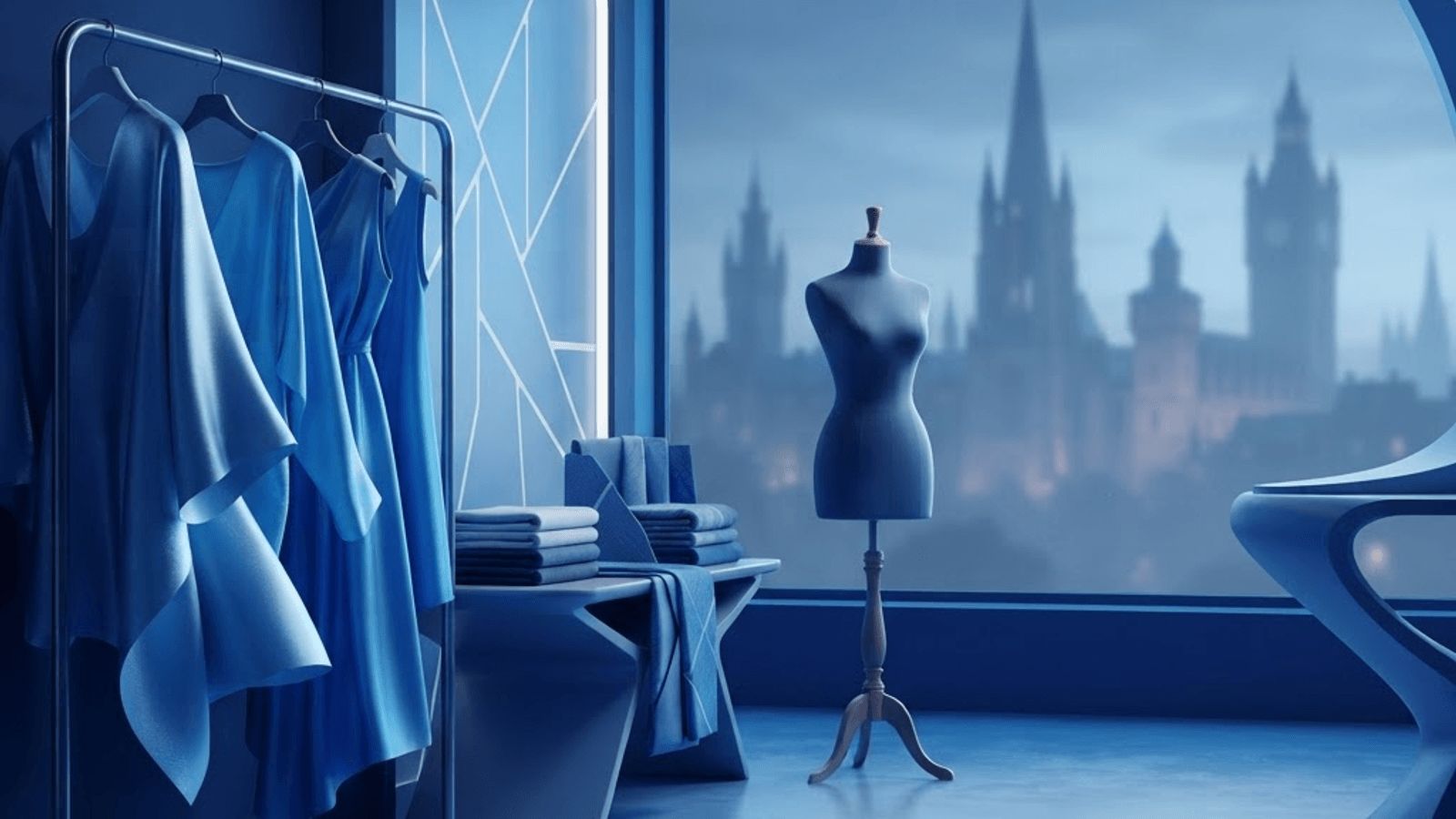
Oxford's Distinctive Clothing Culture
Few British cities have a clothing culture as legible as Oxford's. Centuries of academic life have left a lasting influence on how people dress here, from the practical formality of tweed, wool and tailored outerwear to the enduring popularity of Oxford shirts, brogues and knitwear. At the same time, a young international student population and a substantial professional and tourism economy have made the city receptive to contemporary fashion and to sustainable independent labels.
The retail geography reflects this. Cornmarket Street and Queen Street carry the major high street names, the Westgate development houses larger contemporary and premium brands, while the Covered Market, Little Clarendon Street and the streets around Jericho support independents, vintage sellers and specialist outfitters. The result is a city where you can buy a hand-finished jacket and a well-made basic within a short walk.
Judging Clothing Quality Properly
Brand recognition is a poor proxy for quality. Fabric composition is a far better starting point: natural fibres such as wool, cotton, linen and their high-quality blends generally outperform cheap synthetics for breathability, drape and longevity, though technical synthetics have legitimate performance uses. Weight and weave matter too, since a densely woven fabric resists abrasion and holds shape far better.
Construction details are revealing. Check whether seams are finished or raw, whether patterns match at seams, whether buttons are securely stitched and spare ones supplied, and whether garments are half-lined or fully lined. On tailoring, fused construction is cheaper and less durable than canvassed construction. On knitwear, fully fashioned panels indicate better quality than cut-and-sew.
Finally, consider fit and repairability. A moderately priced garment altered to fit properly looks better than an expensive one that does not. Brands offering repairs, spare parts or resale schemes typically build clothes designed to last.
The Ten Best Clothing Brands in Oxford
1. Barbour. Few brands suit Oxford's climate and character better. Waxed cotton jackets are practical for damp, changeable weather, and the brand's re-waxing and repair service means a single jacket can last decades. Barbour's quilted and knitwear ranges have broadened its appeal beyond countryside use, and its blend of durability and understatement sits comfortably in both academic and professional settings.
2. Cordings. A specialist in British country and heritage clothing, Cordings offers tweed jackets, moleskin and corduroy trousers, Tattersall shirts and covert coats. Fabrics are typically substantial and traditionally woven, and cuts are classic rather than fashion-led. For anyone building a wardrobe of long-lasting British tailoring, it represents genuine craft rather than heritage styling applied superficially.
3. Charles Tyrwhitt. Strong in formal and business-casual shirting, Charles Tyrwhitt offers multiple fits, collar styles and cuff options at accessible prices, with non-iron and Egyptian cotton ranges. For students facing interviews, academics attending formal occasions and professionals needing reliable everyday shirts, the combination of fit choice and value is difficult to match.
4. Hackett London. Hackett occupies the space between formal tailoring and smart leisurewear, with blazers, chinos, rugby shirts, knitwear and accessories built around a distinctly British sensibility. Cuts tend to be refined but wearable, and the brand suits Oxford's frequent need for outfits that work for both a lecture and a dinner.
5. Jigsaw. A strong option for contemporary womenswear with a focus on fabric quality and quiet design. Jigsaw's tailoring, coats, knitwear and dresses avoid rapid trend cycles in favour of pieces that remain wearable across seasons. Its emphasis on natural fibres and considered proportion appeals to buyers who want modern clothing that is not disposable.
6. Whistles. Whistles offers modern, design-led womenswear with clean lines, interesting silhouettes and a restrained colour palette. It works particularly well for professional wardrobes needing pieces that feel current without being loud, and its leather goods and occasionwear are consistently well regarded.
7. Reiss. Positioned as accessible premium, Reiss delivers sharply cut tailoring, refined knitwear and contemporary outerwear for both men and women. Suiting is a particular strength, with fits that suit younger professionals better than traditional cuts. For graduation, interviews and formal Oxford occasions, it is a dependable choice.
8. Uniqlo. Uniqlo has become essential for foundational wardrobe pieces. Merino and cashmere knitwear, lightweight down jackets, heat-retaining base layers and well-cut basics offer strong value and genuine technical merit. For Oxford's cold, wet winters and heavily cycled streets, its packable layering pieces are especially practical.
9. Finisterre. A British brand rooted in cold-water surfing, Finisterre produces technical outerwear, recycled insulation, organic cotton and traceable wool with a serious sustainability programme including repairs and resale. It appeals strongly to Oxford's environmentally conscious buyers who still need genuinely weatherproof clothing.
10. Ede and Ravenscroft. With a long association with academic and ceremonial dress, Ede and Ravenscroft is closely tied to Oxford's traditions through academic gowns, hoods and formal outfitting, alongside classic tailoring and shirting. For graduation and ceremonial requirements, its expertise in correct dress conventions is unmatched.
Trends Influencing Oxford Wardrobes
Sustainability is the defining shift. Students and professionals alike increasingly ask about material traceability, factory conditions, repair services and resale value. Oxford's strong secondhand and charity retail scene reinforces this, and buying fewer, better garments has become an aspirational position rather than a compromise.
Practical layering has also grown in importance. With many residents cycling and walking daily in unpredictable weather, breathable mid-layers, packable waterproofs and versatile outerwear have become wardrobe priorities. Alongside this, the softening of formal dress codes has increased demand for unstructured blazers, smart knitwear and clothing that reads as appropriate in several contexts.
Finally, gender-neutral and adaptive design is becoming more visible, with wider size ranges, adjustable fastenings and less rigid categorisation appearing across mainstream brands.
Building a Wardrobe That Works
Start with the pieces you wear most rather than the ones you find most exciting. A genuinely waterproof coat, well-fitting trousers, a versatile jacket and reliable knitwear will earn far more wear than statement items. Buy for your actual climate and routine, prioritise natural fibres where appropriate, and budget for alterations.
Care matters as much as purchase. Washing wool less frequently, using appropriate detergents, storing knitwear folded rather than hung, and repairing early all extend garment life significantly. Oxford offers an unusually good mix of heritage outfitters, contemporary brands and sustainable independents, and shoppers who buy deliberately will find clothing that serves them for years rather than seasons.
Want your brand featured in front of decision-makers? Publish a guest post or get a link insertion in our guides through AAMAX's guest post and link insertion service.
Helpful Links
 SponsoredAAMAX — Full-Service Digital Agency
Write for Us
Share your expertise with our readers. We welcome guest contributions from industry specialists.
Pitch your idea