Norwich and Its Independent Clothing Culture
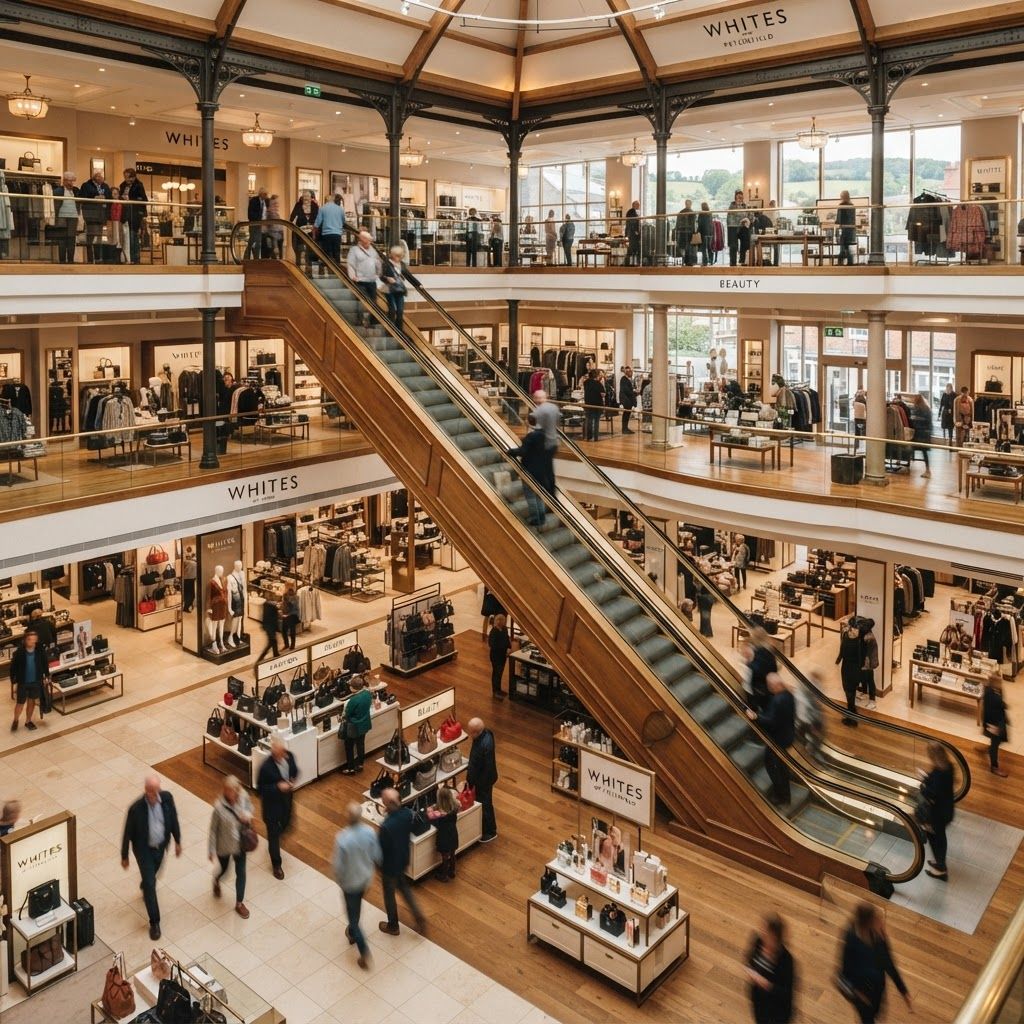
Norwich has an unusually strong independent retail culture for a city of its size. The Norwich Lanes, Elm Hill and the streets around the market support a dense concentration of independent shops, studios and makers, while the city's two universities and substantial creative sector sustain demand for design-led clothing rather than purely mainstream fashion. Add a long textile history, since Norwich was once a national centre for worsted weaving, and the result is a city with genuine clothing heritage and a contemporary maker scene to match.
That combination has produced clothing brands with distinctive identities. Some draw on East Anglian landscape and maritime references. Others focus on sustainability, slow production and repairability. Several are built around printing, embroidery or pattern-cutting skills developed locally. What they share is a tendency to design for longevity and character rather than chasing rapid trend cycles, which suits both the city's aesthetic and the values of its customers.
What Makes a Clothing Brand Worth Supporting
Quality of construction is the most reliable indicator of value. Seam finishing, fabric weight, interfacing, button attachment and pattern accuracy determine whether a garment holds its shape after repeated wear and washing. A well-made garment at a higher price frequently costs less per wear than several cheap alternatives.
Transparency matters too. Brands willing to explain where fabric comes from, where garments are made and how workers are treated demonstrate confidence in their supply chain. Vague claims about ethical production without specifics deserve scepticism.
Consider fit philosophy and size range, since brands that grade properly across a wide range serve customers far better than those simply scaling a single pattern. Repairability and aftercare provision, including spare buttons, repair services and care guidance, indicate a brand designing for longevity. Finally, distinctiveness has real worth: clothing that reflects a genuine design point of view remains satisfying to wear long after trend-driven pieces feel dated.
The Top 10 Clothing Brands in Norwich
1. Norwich Threadworks
Perhaps the city's best-known independent clothing label, Norwich Threadworks produces contemporary everyday wear with an emphasis on durable natural fabrics and considered cut. Its collections are deliberately small and largely seasonless, reflecting a commitment to designing pieces intended to be worn for years. Garments are made in limited runs with transparent information about fabric sourcing, and the brand offers a repair service, which underlines its confidence in construction quality.
2. Elm Hill Tailoring
Drawing on traditional tailoring skills, Elm Hill Tailoring produces made-to-measure and semi-bespoke suiting, jackets and coats. Its work appeals to customers wanting garments that fit properly rather than approximately, and to those marking significant occasions such as weddings. The house style is restrained and classical, with attention to canvassing, shoulder construction and cloth selection. Alteration and restoration services extend the life of existing garments, which is entirely in keeping with its ethos.
3. Norfolk Coast Apparel
Norfolk Coast Apparel builds its identity around the county's coastline, producing weather-ready outerwear, knitwear, sweatshirts and accessories with maritime and landscape references. Its garments are designed for genuine practicality in a windy, changeable climate, with attention to fabric weight, weather resistance and layering. The brand has developed a loyal following among people who spend time outdoors and want clothing that performs without looking like technical sportswear.
4. Lanes Vintage Reworked
Operating from the independent quarter, Lanes Vintage Reworked takes vintage and surplus garments and reconstructs them into contemporary pieces. Every item is effectively one of a kind, and the process diverts textiles from waste while producing genuinely individual clothing. Its skills in pattern alteration, dyeing and finishing turn dated garments into wearable modern pieces, and the brand is open about the origins of the materials it uses.
5. Norwich Print & Tee Collective
Norwich Print & Tee Collective produces screen-printed t-shirts, sweatshirts and tote bags featuring designs by local illustrators and artists. Its work has become a recognisable part of the city's visual culture, celebrating local landmarks, humour and identity. Printing is done in small batches using water-based inks on organic cotton blanks, and the collaborative model gives local artists a route to market while keeping designs fresh and genuinely local.
6. Wensum Workwear
Wensum Workwear produces hardwearing garments inspired by traditional working clothing, including chore jackets, heavyweight trousers, aprons and overshirts. Its customers include craftspeople, gardeners, chefs and people who simply want clothing that withstands real use. Construction details such as triple stitching, reinforced pockets and robust hardware reflect a functional design approach, and the brand's garments tend to improve in character as they wear in.
7. Norwich Sustainable Knitwear
Reflecting the city's textile heritage, Norwich Sustainable Knitwear produces jumpers, cardigans and accessories using British wool and recycled fibres. Knitting in small runs allows it to avoid the overproduction endemic to the wider industry. The brand provides clear information about fibre origin and processing, offers a repair and re-knitting service for damaged garments, and takes back worn pieces for recycling, closing the loop more genuinely than most.
8. Cathedral Quarter Boutique Label
Cathedral Quarter Boutique Label produces women's occasion and contemporary wear with an emphasis on cut, drape and fabric quality. Its designs suit weddings, events and professional settings where distinctiveness matters, and it works in limited editions so customers are unlikely to encounter identical garments. Made-to-order options and in-house alterations ensure fit, which for occasion wear is the single biggest determinant of how a garment looks and feels.
9. Norwich Streetwear Studio
Norwich Streetwear Studio produces graphic-led hoodies, jackets, caps and casual pieces rooted in the city's music and skate culture. Its drops are small and community-driven, often developed in collaboration with local artists, venues and musicians. The studio prioritises heavyweight blanks and durable printing so garments survive the heavy wear streetwear typically receives, and its cultural connection gives the brand authenticity that larger labels struggle to manufacture.
10. Norfolk Slow Fashion Makers
Completing the list, Norfolk Slow Fashion Makers is a collective of independent designer-makers producing garments to order, often using deadstock and natural fabrics. The made-to-order model eliminates unsold stock entirely, and customers can specify size adjustments and fabric choices. The collective also runs workshops in sewing, mending and pattern cutting, spreading skills that help people maintain and adapt their own clothing rather than replacing it.
Buying Clothing Well
Assess construction before price. Turn a garment inside out and look at seam finishing, thread quality and how the lining is attached. Check fabric composition, and understand that natural fibres generally age better while well-chosen synthetics offer performance advantages in outerwear.
Buy for actual wardrobe gaps rather than impulse. A garment worn weekly justifies far more investment than one worn twice a year. Prioritise fit, and use alteration services where available, since a modestly priced garment altered to fit looks better than an expensive one that does not. Care for clothing properly by washing at lower temperatures, drying appropriately and repairing early. Finally, support brands that offer repair and take-back schemes, as these genuinely extend garment life rather than simply marketing sustainability.
Trends in Independent Fashion
Slow fashion has moved from a niche position to a mainstream expectation among younger consumers, with made-to-order and small-batch production increasingly viable through direct online sales. Repair and alteration services are being revived commercially, supported by growing interest in visible mending as an aesthetic choice. Deadstock and reclaimed fabric use has expanded significantly, reducing waste while producing limited-run pieces. Meanwhile, transparency is becoming more specific, with brands publishing details about manufacturing locations and fibre origins rather than relying on general claims.
Final Thoughts
Norwich's clothing brands reflect the city's independent spirit, textile heritage and creative energy. Whether the interest lies in tailoring, coastal outerwear, reworked vintage, printed graphics, workwear, knitwear, occasion dressing, streetwear or made-to-order slow fashion, the city offers genuine alternatives to mainstream retail. Choosing garments on construction quality, fit and longevity rather than price alone supports these makers while producing a wardrobe that lasts considerably longer and feels far more personal.
Want your brand featured in front of decision-makers? Publish a guest post or get a link insertion in our guides through AAMAX's guest post and link insertion service.
Helpful Links
 SponsoredAAMAX — Full-Service Digital Agency
Write for Us
Share your expertise with our readers. We welcome guest contributions from industry specialists.
Pitch your idea