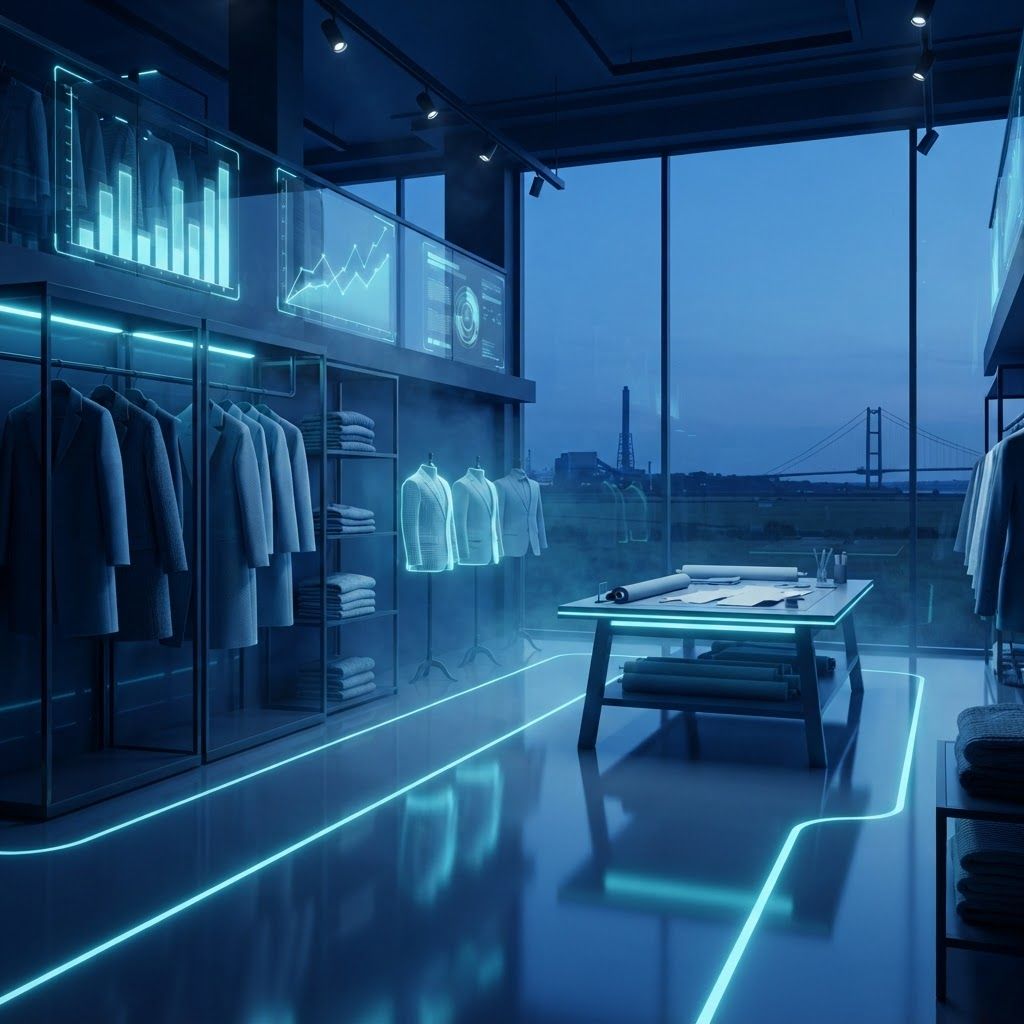
Clothing Retail Across North Lincolnshire
North Lincolnshire has a distinctive retail character shaped by its geography and economy. Scunthorpe serves as the main commercial centre with high street and retail park shopping, while market towns such as Brigg, Barton upon Humber, Winterton and Crowle support independent boutiques and long established family retailers. The Humber ports, steel industry and extensive agriculture also create genuine demand for durable workwear and outdoor clothing alongside fashion.
That mix produces a market where practicality and style coexist. A single household may buy technical outerwear for farm or industrial work, school uniform, occasion wear for events at nearby venues, and everyday fashion, often from very different sources. The strongest local retailers understand which of these needs they serve best.
What Makes a Clothing Brand Worth Buying
Value in clothing is cost per wear, not price on the label. Fabric composition, stitching quality, seam finishing, button and zip hardware and colour fastness all determine how many wears a garment delivers. A well made coat worn for five winters is cheaper than three cheap coats, and considerably less wasteful.
Fit consistency matters just as much, particularly for repeat buying. Brands that maintain stable sizing build loyalty because customers can reorder confidently. Sustainability credentials have also become a real purchasing factor, covering material sourcing, worker conditions, repair services and take back schemes.
1. Established National High Street Brands
The familiar national chains present in Scunthorpe retail locations remain the backbone of everyday clothing purchases. Their strengths are consistent sizing, broad size ranges, straightforward returns and reliable basics such as school uniform, denim and workwear.
2. Independent Boutiques of Brigg and Barton
Market town boutiques offer curated selections that differ from national ranges, with personal service and honest fitting advice. Many stock smaller British labels and occasion wear that customers will not see replicated at every local event.
3. Workwear and Industrial Clothing Brands
Given the steel, port, logistics and construction employment in the area, durable workwear brands are genuinely important. Buyers prioritise reinforced construction, correct protective standards, high visibility compliance and washability at industrial temperatures.
4. Country and Outdoor Clothing Labels
Waxed jackets, quilted coats, wellingtons and technical outerwear suit both agricultural work and the exposed Humber and coastal weather. These brands sell on longevity, rewaxing and repair services, and a style that remains acceptable across generations.
5. Sports and Activewear Brands
Performance and lifestyle activewear serving local clubs, gyms, running groups and cyclists. Technical fabric performance matters for genuine sport use, while the same ranges double as everyday casual wear for many customers.
6. School Uniform and Schoolwear Specialists
Uniform suppliers serving North Lincolnshire schools with embroidered items, durable trousers and skirts, and sensible sizing. Value comes from garments surviving a full academic year and from reliable stock during the August rush.
7. Occasion and Formal Wear Retailers
Suits, dresses and formal hire for weddings, race days and celebrations. Alteration services and honest fitting advice are the deciding factors, since fit determines how formal wear looks far more than brand.
8. Sustainable and Ethical Clothing Labels
Brands built around organic and recycled materials, transparent supply chains and repairability. Increasingly stocked by independents responding to customers who prefer fewer, better garments over frequent replacement.
9. Independent Streetwear and Youth Brands
Smaller labels serving younger customers, often selling through independent shops, markets and online. Distinctive graphics, limited runs and local identity give them appeal that mass market ranges cannot replicate.
10. Vintage, Preloved and Charity Retail
Vintage shops, preloved specialists and charity retail across the area offer quality garments at low cost while extending clothing life. Now a mainstream shopping route rather than a budget fallback, particularly for outerwear and denim.
Trends in Clothing Retail
Resale and rental continue to grow, normalising secondhand purchases across all income levels. Customers are consolidating wardrobes around fewer, better made pieces, which rewards durability over trend speed. Size inclusivity has expanded significantly, and click and collect has become the preferred route for many shoppers who want online range with local convenience. Repair services, from alterations to rewaxing, are being marketed as features rather than hidden away.
Practical Shopping Advice
Check fabric composition rather than judging by feel alone, since blends behave very differently in wear and wash. Try garments seated and moving, not just standing still. Budget for alterations on formal wear, as a modest tailoring cost transforms appearance. Buy workwear to the correct protective standard for the actual task rather than the nearest lookalike. And where a garment will be worn heavily, spend more on it and less on rarely worn items.
Final Thoughts
North Lincolnshire clothing market balances national high street reliability with independent boutiques, serious workwear, country outerwear and a thriving preloved sector. Judging garments on construction, fit consistency and cost per wear delivers a better wardrobe than chasing either the lowest price or the newest trend.
Want your brand featured in front of decision-makers? Publish a guest post or get a link insertion in our guides through AAMAX's guest post and link insertion service.
Helpful Links
 SponsoredAAMAX — Full-Service Digital Agency
Write for Us
Share your expertise with our readers. We welcome guest contributions from industry specialists.
Pitch your idea