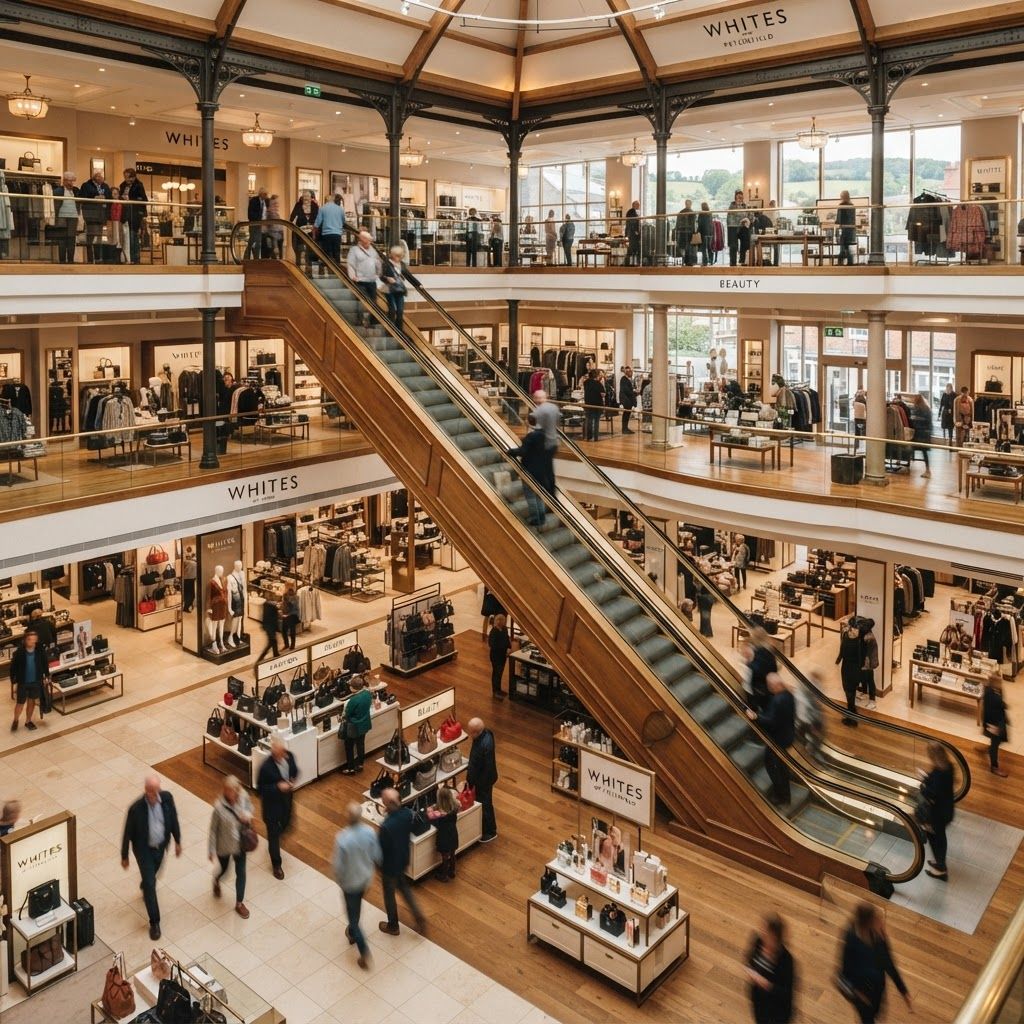
Clothing and Textiles in Gloucester
Gloucester occupies an interesting position in British clothing. The city sits at the edge of the Cotswolds, within a region that built genuine wealth on wool and cloth for centuries. Stroud, just to the south, was historically famous for its broadcloth, and that textile heritage has left a lasting imprint on the area's relationship with fabric, craft and manufacturing.
Modern Gloucester combines that inheritance with a practical, outdoor-oriented consumer culture. The city serves as a gateway to the Forest of Dean, the Severn Vale and the Cotswold escarpment, which supports strong demand for outdoor and workwear clothing. Alongside this sits a creative community producing small-batch, design-led garments, and a growing cohort of brands built explicitly around sustainability.
What Makes a Clothing Brand Worth Choosing
Fabric quality and construction determine whether a garment lasts three seasons or ten, and inspecting seam finish, fabric weight and hardware tells you more than any marketing claim. Fit consistency across a range matters enormously for repeat purchasing. Transparency about manufacturing location and conditions has become a reasonable expectation. Repairability and availability of spare parts such as buttons and zips indicate a brand designing for longevity rather than replacement.
Ten Clothing Brands Associated with Gloucester
Severn Vale Apparel produces everyday casual clothing using heavyweight cottons and durable construction, with a design philosophy centred on simple, long-lasting pieces rather than seasonal trend chasing.
Gloucester Heritage Workwear draws directly on the region's industrial past, producing hard-wearing jackets, overalls and trousers in canvas and moleskin. The garments appeal equally to people who genuinely work in them and to those who appreciate the aesthetic.
Cotswold Edge Outdoor Clothing serves walkers, cyclists and outdoor workers with weatherproof jackets, insulated layers and technical accessories tested against the reliably damp Gloucestershire climate.
Docks Quarter Streetwear takes inspiration from Gloucester Docks and the city's regenerated waterfront, producing graphic-led casualwear with strong local identity and limited-run drops.
Stroudwater Woollens connects directly to the valley's cloth heritage, producing knitwear and woven pieces in British wool with an emphasis on traceable fibre and traditional finishing techniques.
Forest of Dean Country Clothing supplies tweed jackets, moleskin trousers, shooting vests and country accessories, serving rural customers and visitors seeking authentic countryside attire.
Gloucester Sustainable Threads builds its entire proposition on environmental responsibility, using organic cotton, recycled fibres and low-impact dyes, with published information on its supply chain and a repair service for worn garments.
Cathedral City Tailoring offers made-to-measure and bespoke suiting, drawing on traditional tailoring skills for weddings, business and formal occasions, with alterations and remodelling of existing garments also available.
Kingsholm Sportswear reflects Gloucester's deep rugby culture, producing performance kit, training wear and supporter apparel with an understanding of what the sport actually demands from fabric and construction.
Quayside Kids Clothing completes the list with childrenswear designed for durability and growth, using adjustable waistbands, reinforced knees and fabrics that survive repeated washing.
Trends Shaping the Clothing Market
Longevity has become a genuine selling point. After years of disposable fashion, a substantial group of consumers now calculates cost per wear rather than purchase price, which rewards brands producing durable, repairable garments. Repair services, spare buttons and resale programmes have moved from novelty to expectation among considered brands.
British and local manufacturing has regained appeal. Shorter supply chains offer resilience, lower transport emissions and greater oversight of working conditions, and consumers increasingly regard domestic production as a mark of quality rather than merely a patriotic gesture.
Circularity is developing quickly. Resale platforms, rental for occasionwear and take-back schemes are becoming mainstream, particularly for higher-value items. For brands, participating in the secondary market protects rather than cannibalises the primary one, because strong resale value justifies a higher initial price.
Buying Well
Check fabric composition and weight before buying, as these predict durability more reliably than price. Examine seams, linings and hardware, since these are where corners are usually cut. Buy for your actual life rather than an imagined one, and favour brands that publish real information about where and how garments are made.
Gloucester's clothing brands benefit from a region where textile knowledge runs deep and where customers value practical, well-made garments. Whether the need is a tweed jacket for the Forest, a rugby training top or a carefully made suit, the city's makers offer alternatives to homogenous high street options.
Caring for Clothing Properly
Garment longevity depends as much on care as on construction. Most clothing is washed more often and more aggressively than necessary, which accelerates fibre breakdown, fades colour and distorts shape. Wool in particular rarely needs washing at all; airing between wears removes odour effectively and preserves the fibre far better than repeated laundering.
Lower temperatures, gentler detergents, reduced spin speeds and drying flat rather than in a tumble dryer all extend garment life substantially. Repairing small damage promptly matters too, since a loose seam or a small hole becomes a large one quickly. Basic mending skills, or a relationship with a local alterations service, protect a wardrobe far more effectively than buying replacements.
Building a Wardrobe That Lasts
A useful approach is to invest most heavily in the garments worn most often. A coat worn daily through a Gloucestershire winter justifies real expenditure; a novelty item worn twice a year does not. Working out cost per wear before buying tends to shift spending towards fewer, better pieces.
Fit is the other decisive factor. A moderately priced garment altered properly to fit will look and feel better than an expensive one that does not, and alterations are inexpensive relative to the improvement they deliver. Several Gloucester tailors and alteration specialists offer this service, and it transforms both new purchases and inherited or secondhand pieces. Combined with careful buying and proper care, it produces a wardrobe that serves for years rather than seasons and represents considerably better value than continual replacement.
Want your brand featured in front of decision-makers? Publish a guest post or get a link insertion in our guides through AAMAX's guest post and link insertion service.
Helpful Links
 SponsoredAAMAX — Full-Service Digital Agency
Write for Us
Share your expertise with our readers. We welcome guest contributions from industry specialists.
Pitch your idea