Dressing for the Irish Northwest
Clothing in Fermanagh and Omagh has always been shaped by landscape and weather. This is a district of lakes, drumlins, uplands and open countryside, where rain can arrive four times in a single afternoon and the wind off Lough Erne cuts through anything inadequate. The result is a local wardrobe that values genuine performance: waterproof outerwear that actually works, warm natural fibres, sturdy knitwear and clothing that copes with mud, moor and market day alike.
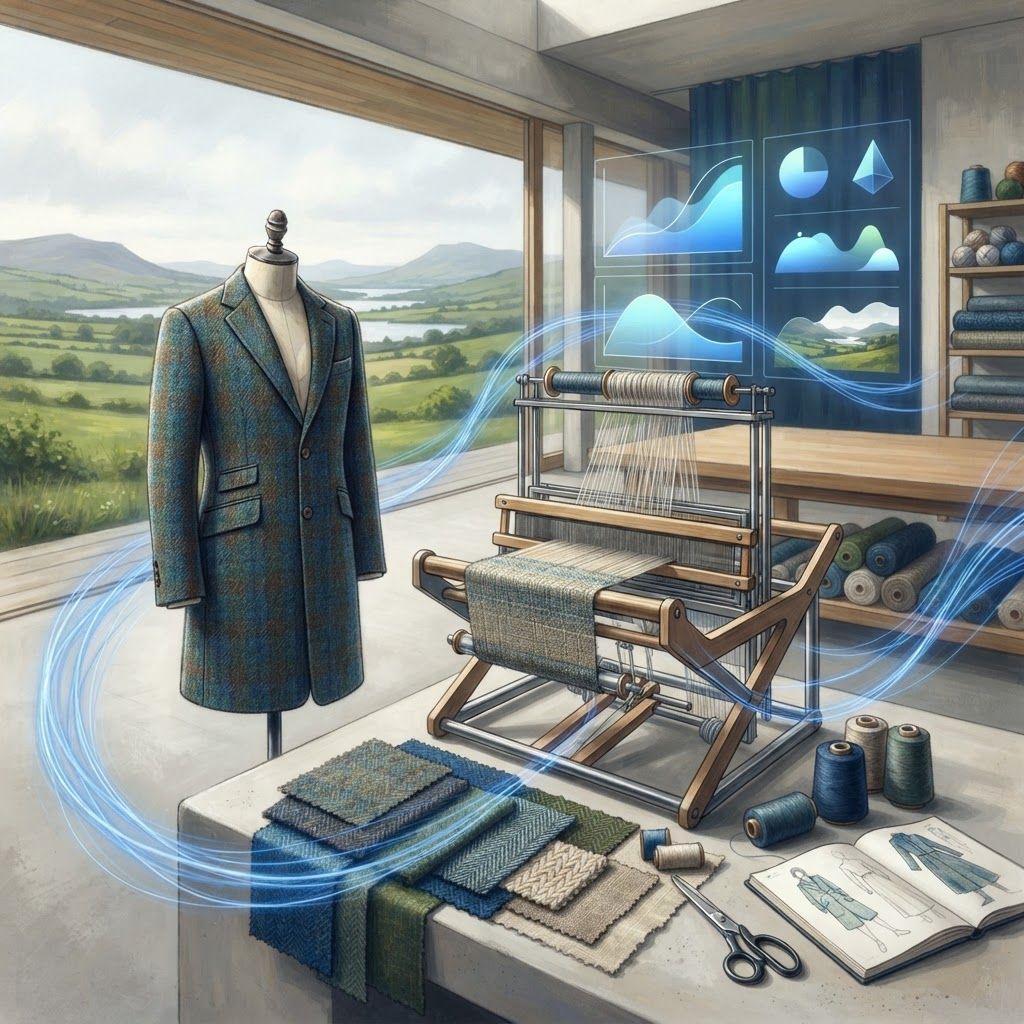
Alongside that practicality sits a real heritage of textile craft. Irish linen, tweed weaving, hand-knitting traditions and tailoring have deep roots across Ulster, and towns such as Enniskillen and Omagh have long supported independent drapers and outfitters. Today that tradition coexists with contemporary high street retail, outdoor specialists and a new generation of design-led Irish brands selling both locally and internationally.
Ten Clothing Brands Popular Across the District
1. Magee 1866 is perhaps the most emblematic Irish clothing brand for this part of the country. Rooted in Donegal tweed weaving, it produces jackets, coats, suits and accessories that combine heritage cloth with modern tailoring. Its pieces are widely regarded as investment purchases that improve with age.
2. Aran Woollen Mills represents the hand-knit tradition that remains genuinely popular across Ireland. Cable-patterned sweaters, cardigans and accessories in wool and merino offer warmth and character, and their durability makes them a practical choice rather than merely a nostalgic one.
3. Dubarry of Ireland has built an international reputation for country and sailing clothing. Waterproof leather boots, quilted jackets and technical outerwear suit the realities of rural life around Fermanagh's lakeland and Omagh's uplands, where footwear regularly meets both water and mud.
4. Barbour is a familiar presence in country outfitters throughout the district. Waxed cotton jackets, quilted layers and tweed pieces have become a rural staple, valued for repairability and the availability of rewaxing services that extend garment life by decades.
5. Fatface offers relaxed, casual clothing with an outdoor sensibility that translates well to lifestyles built around walking, coast and countryside. Its emphasis on natural fabrics and comfortable fits suits everyday wear for a wide age range.
6. Next provides the accessible mainstream option, covering menswear, womenswear, childrenswear and school uniform under one roof. For families across Enniskillen and Omagh, that breadth combined with reliable sizing makes it a practical default.
7. Marks and Spencer remains highly trusted for quality basics, knitwear, formalwear and school clothing. Its reputation for fabric quality and consistent fit sustains strong loyalty, particularly among shoppers who prioritise longevity over rapid trend turnover.
8. Foxford Woollen Mills continues the Irish weaving tradition with blankets, scarves, capes and accessories in wool and cashmere. Its work demonstrates how traditional milling can produce genuinely contemporary design, and its pieces are popular as gifts with lasting value.
9. Grania Ireland reflects the growing cohort of Irish designers producing distinctive contemporary womenswear with Celtic influences. Smaller Irish labels of this kind appeal to customers wanting something individual rather than mass-produced, and they support domestic design and manufacturing.
10. Regatta completes the list at the practical end of the market, supplying affordable waterproofs, fleeces and walking gear. Given how much of life in the district happens outdoors, accessible technical clothing has broad and genuine appeal.
Irish Textile Heritage in a Modern Market
Irish linen and tweed remain powerful assets. Linen's breathability and distinctive texture keep it relevant for summer tailoring and homeware, while tweed's weatherproof density suits the climate perfectly. Both benefit from provenance storytelling, as customers increasingly want to know where cloth was woven and by whom.
Hand-knitting and small-batch production continue through local makers and craft markets across Fermanagh and Omagh. These producers typically sell through independent boutiques, craft fairs and direct channels, and their work supports rural employment in areas with limited alternative opportunity.
Trends Shaping Local Buying Habits
Sustainability has genuinely changed purchasing behaviour. Natural fibres, repairability, second-hand shopping and a preference for fewer, better garments are all in evidence. Charity shops across Enniskillen and Omagh have benefited, and clothing repair and alteration services have seen renewed demand.
Layering has become the dominant practical approach, reflecting a climate where conditions change hour to hour. A merino base, a knitted mid-layer and a genuinely waterproof shell serves better than any single heavy coat.
Cross-border shopping influences the market too, with currency differences and proximity to Donegal, Leitrim and Cavan shaping where people buy. Online retail has further widened choice, though many shoppers still prefer to try outerwear and footwear in person.
Supporting the Local Clothing Economy
Independent outfitters in the district offer something that online retail cannot replicate: fitting expertise, alteration services, knowledge of which garments actually withstand local weather, and the ability to order specific sizes. Buying locally also keeps money circulating within towns that depend heavily on their retail cores.
For residents of Fermanagh and Omagh, the strongest wardrobe strategy combines heritage Irish pieces that last for decades, reliable technical outerwear for the weather, and accessible everyday items from trusted mainstream brands. It is a combination rooted firmly in the practical realities of living somewhere genuinely beautiful and reliably wet.
Want your brand featured in front of decision-makers? Publish a guest post or get a link insertion in our guides through AAMAX's guest post and link insertion service.
Helpful Links
 SponsoredAAMAX — Full-Service Digital Agency
Write for Us
Share your expertise with our readers. We welcome guest contributions from industry specialists.
Pitch your idea