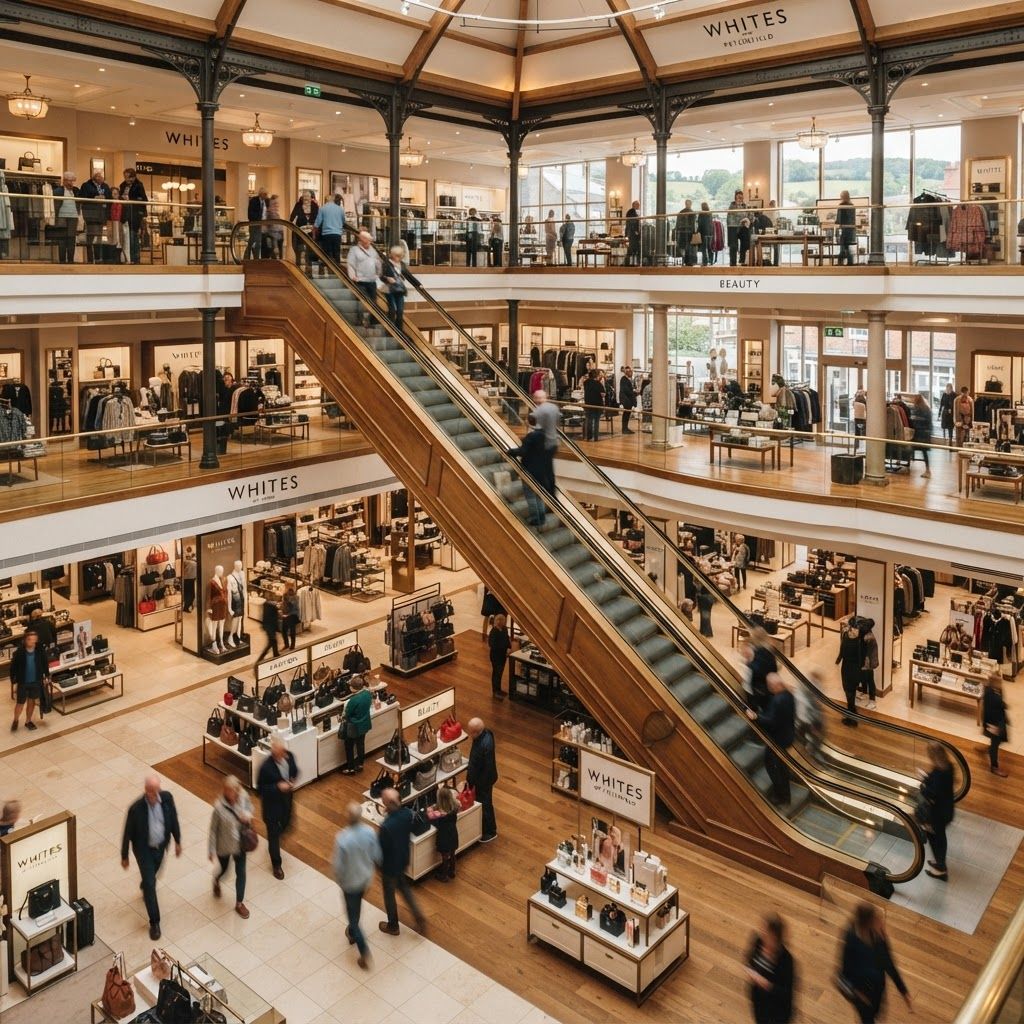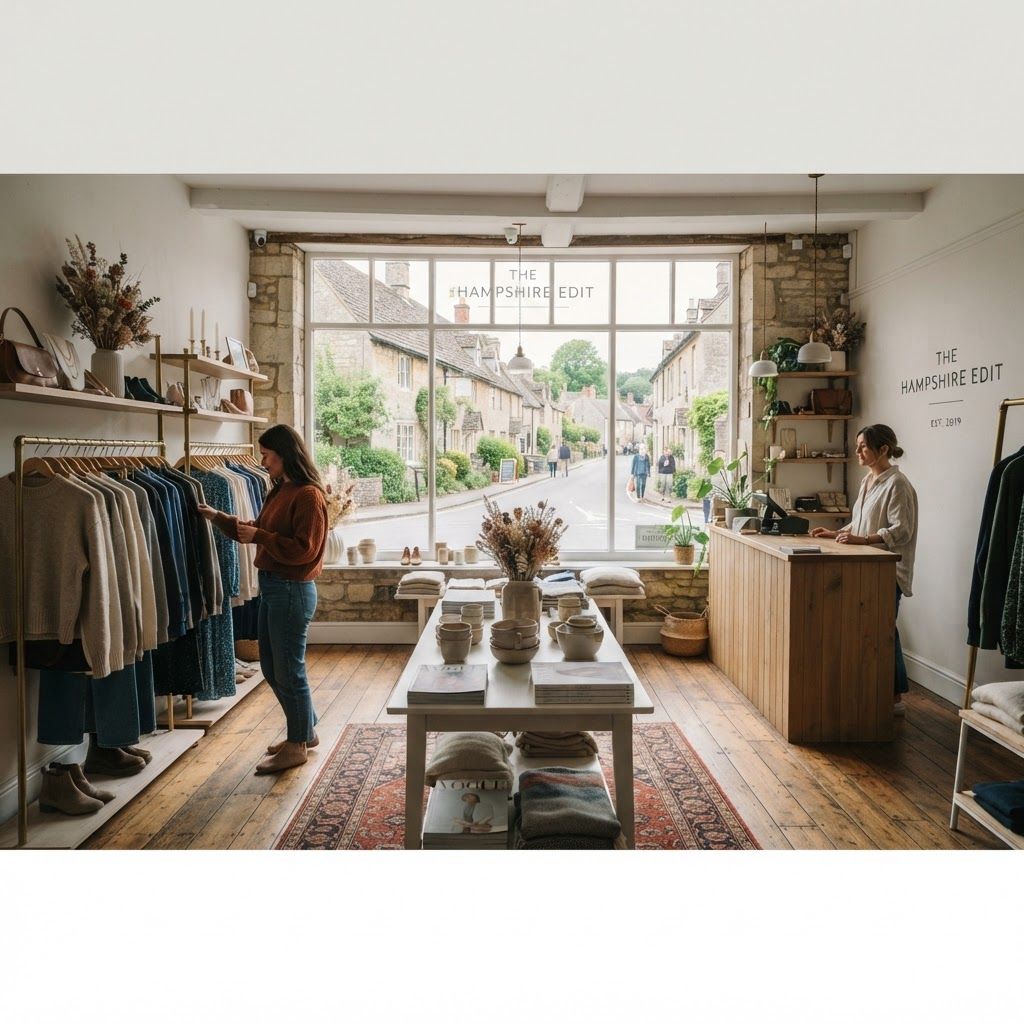
Style Shaped by the East Hampshire Landscape
East Hampshire occupies a distinctive position in southern England. The district encompasses the South Downs National Park, the wooded hangers around Selborne, and market towns including Alton, Petersfield, Liphook and Bordon. This is a landscape of walking routes, equestrian activity, country pursuits and rural commuting, and the clothing that succeeds here reflects that reality.
The result is a local clothing culture that values quality construction over rapid trend cycling. Garments must handle wet Downland mornings, muddy footpaths and unheated barns while still looking appropriate in a Petersfield coffee shop or an Alton high street boutique. Brands rooted in the district have built their identities around exactly this combination of practicality and understated style.
What Defines Quality in Countryside Clothing
Fabric performance comes first. Waterproofing, breathability, wind resistance and durability determine whether a garment genuinely works outdoors or merely looks the part. Natural fibres including wool, waxed cotton and tweed continue to perform well, and modern technical fabrics have added options that were unavailable to earlier generations.
Construction quality follows closely. Reinforced seams, quality zips, replaceable buttons and repairability extend garment life considerably. Increasingly, buyers also assess environmental impact, asking about material sourcing, manufacturing location, chemical treatments and whether a brand offers repair services rather than encouraging replacement.
The Top 10 Clothing Brands in East Hampshire
1. Downland Heritage Outerwear
Producing waxed cotton jackets, quilted gilets and country coats designed for South Downs conditions, Downland Heritage Outerwear has built its reputation on durability. Its garments are made to be re-waxed and repaired over many years, and the brand offers a reproofing service that keeps older jackets in service rather than replaced.
2. Petersfield Tailoring Company
Bespoke and made-to-measure tailoring for business, occasion and country wear. The company works with British woollen mills and offers classic tweeds alongside contemporary cloths. Personal fitting and pattern retention mean returning customers can reorder with confidence, and alterations extend garment life as body shape changes over time.
3. Alton Knitwear Collective
British wool knitwear including jumpers, cardigans and accessories produced in traditional patterns and modern designs. The collective works with named wool sources and emphasises natural fibre performance in damp climates, where wool continues to insulate even when not completely dry. Repair guidance and darning advice accompany purchases.
4. Hangers Countrywear
Named after the wooded hangers characteristic of the district, this brand produces practical countrywear including moleskin trousers, shirts, waistcoats and field jackets. Designs prioritise pocket practicality, freedom of movement and hard-wearing fabric, serving farmers, gamekeepers, walkers and rural workers across the area.
5. South Downs Technical Apparel
Modern performance clothing for walking, cycling and trail running across the National Park. Layering systems, waterproof shells and breathable base layers use contemporary technical fabrics, with increasing use of recycled content and fluorocarbon-free water repellent treatments as the brand reduces its environmental impact.
6. Liphook Equestrian Clothing
Riding jackets, breeches, competition wear and yard clothing serve the district's substantial equestrian community. Technical requirements are specific, including freedom of movement in the saddle, secure closures and fabrics that withstand frequent washing. The brand also produces smart competition attire meeting discipline requirements.
7. Bordon Workwear and Utility Clothing
Durable workwear for trades, agriculture and outdoor employment, including reinforced trousers, protective outer layers and high-visibility garments. The brand focuses on genuine longevity under daily wear, and its reinforcement at knees, elbows and pocket edges reflects real understanding of where working clothes fail first.
8. Selborne Sustainable Clothing
Built entirely around environmental principles, this label uses organic and recycled fibres, low-impact dyes and transparent supply chains. It produces small collections rather than continuous new ranges, and offers repair and take-back schemes that keep garments in circulation and materials out of waste streams.
9. Hampshire Children's Outdoor Clothing
Waterproofs, fleeces, all-in-one suits and layering pieces designed for children who spend time outdoors in all weather. Forest schools and outdoor nurseries have grown considerably in the district, and the brand's hard-wearing, easily washable garments with growth adjustment features have found a natural market.
10. Alton Contemporary Boutique Label
Offering modern womenswear and menswear with a refined, understated aesthetic suited to market town life. Small production runs, considered fabric selection and styling advice distinguish it from mainstream retail. Customers value garments that work across occasions rather than fitting only one setting.
Trends Influencing Clothing in the District
Longevity has become a genuine purchasing criterion. Buyers increasingly calculate cost per wear rather than upfront price, favouring garments that last years over cheaper items replaced annually. Brands offering repair services benefit directly from this shift, and several local labels have built repair into their identity.
Natural fibres are enjoying renewed appreciation. British wool in particular has gained attention for its performance, biodegradability and support of domestic agriculture, connecting clothing purchases to the same landscape the garments are worn in.
Versatility across settings matters more as working patterns change. Clothing that functions for a dog walk, a video call and a village pub meets a real need, and designers in the district have responded with pieces that avoid looking either overly technical or impractically formal.
Buying Advice
Invest most heavily in outer layers and footwear, where quality differences are most noticeable and most consequential. Base layers and mid layers can be more modest without compromising comfort. Try garments on wearing what you would normally layer underneath, since a jacket that fits over a shirt may not accommodate a jumper.
Ask about repair provision, spare buttons and reproofing before buying. A brand that supports its garments through their life is signalling confidence in construction, and that support typically saves more money than any initial discount.
Conclusion
Clothing brands in East Hampshire reflect a district where countryside practicality and market town refinement meet naturally. From waxed outerwear built for Downland weather to British wool knitwear and sustainable independent labels, these brands offer quality that rewards patient buying. Choosing well-made garments and maintaining them properly remains the most satisfying and most sustainable approach to building a wardrobe.
Want your brand featured in front of decision-makers? Publish a guest post or get a link insertion in our guides through AAMAX's guest post and link insertion service.
Helpful Links
 SponsoredAAMAX — Full-Service Digital Agency
Write for Us
Share your expertise with our readers. We welcome guest contributions from industry specialists.
Pitch your idea