A City With Textile Heritage and Design Ambition
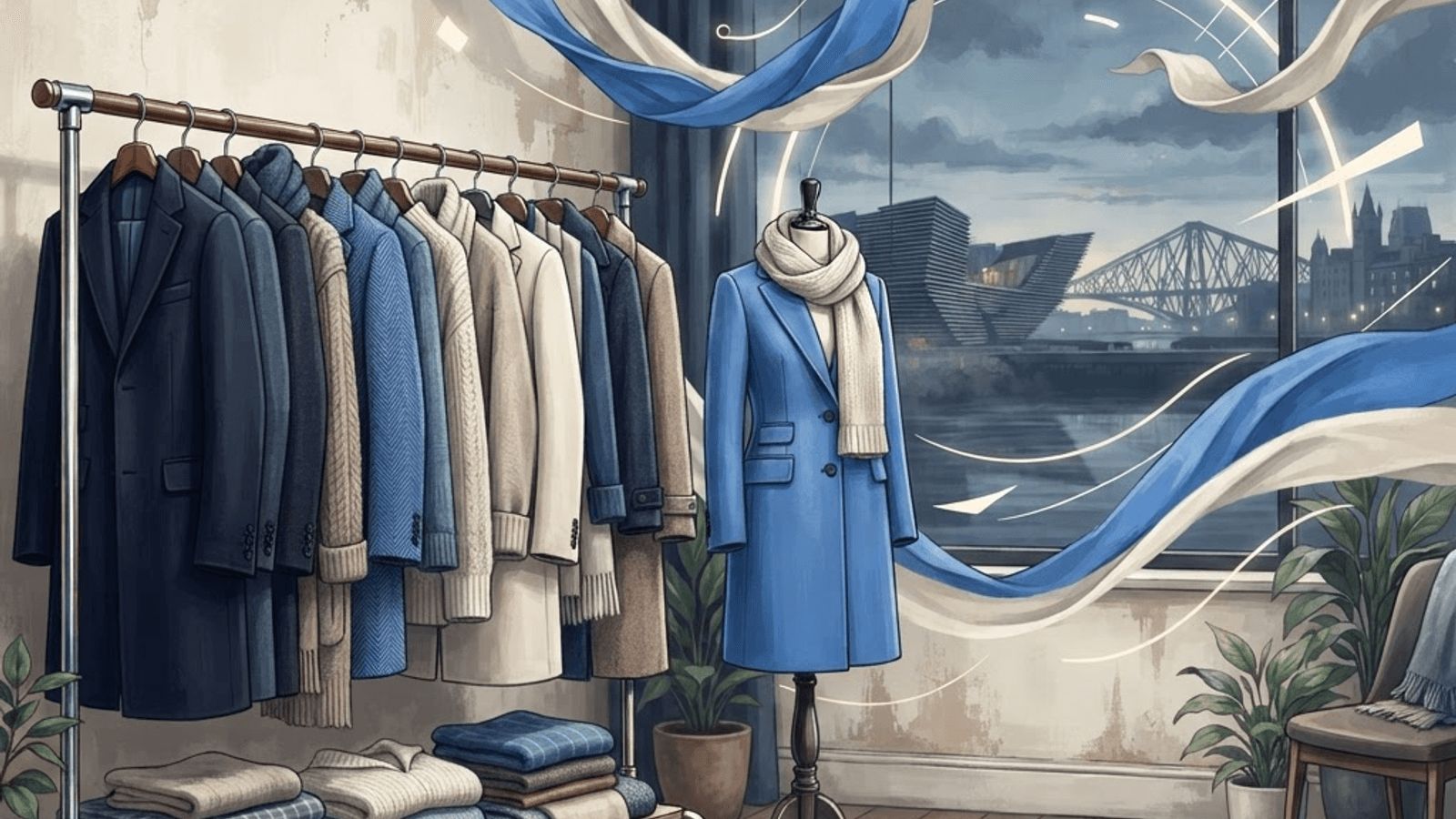
Dundee's relationship with clothing runs deeper than most British cities. The jute industry that dominated the city for over a century made Dundee a global textile centre, and while the mills have closed, the industrial knowledge, design education and material culture they created have not disappeared. The city's designation as a UNESCO City of Design formally recognised what had continued quietly for decades through Duncan of Jordanstone College of Art and Design, whose textile and fashion graduates have supplied the wider industry consistently.
That heritage matters commercially. Dundee retains a genuine understanding of material quality, construction and craft that shapes how the city buys and makes clothing. The opening of V&A Dundee reinforced the design identity further, drawing visitors and giving local designers a platform. The result is a clothing market combining strong national retail with an unusually vibrant independent and designer-maker layer.
Where People Actually Shop in Dundee
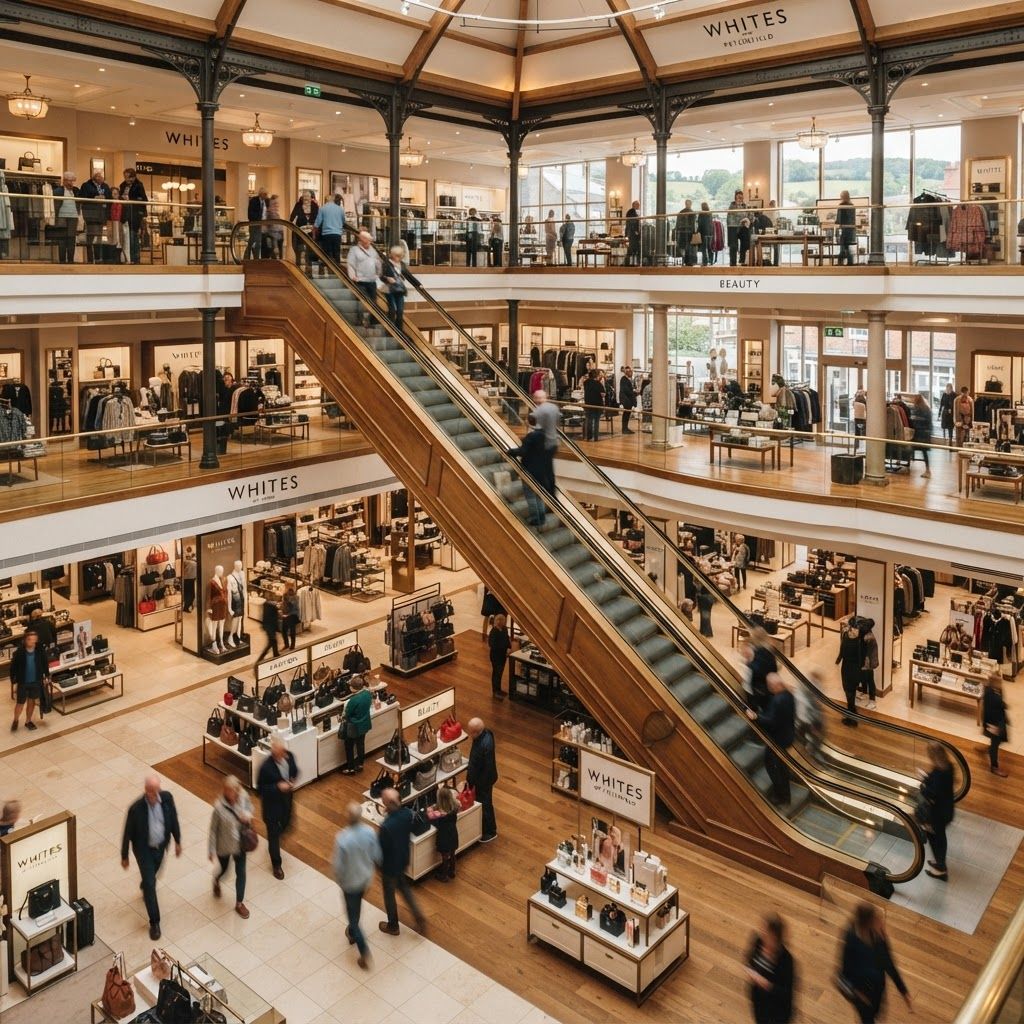
The Overgate Centre anchors mainstream city centre retail, housing most major high street brands within a covered environment that matters considerably in a Scottish east coast climate. Nearby, Reform Street, Union Street and the Nethergate host independent boutiques, vintage specialists and designer studios. Retail parks on the city periphery serve value and volume shopping.
The independent layer deserves particular attention. Dundee sustains a stronger independent clothing scene than its size would predict, supported by a large student population from two universities, an active creative community and a local culture that values distinctiveness. Vintage and secondhand retail is notably strong, driven by both affordability and genuine sustainability commitment.
Leading Clothing Brands and Retailers Serving Dundee
Harris Tweed Hebrides represents Scottish textile production at its most internationally recognised. Genuine Harris Tweed carries protected status and must be handwoven in the Outer Hebrides, and Dundee retailers stocking tweed jackets, coats and accessories connect customers to a material with unmatched provenance credibility.
Johnstons of Elgin produces cashmere and fine woollens of exceptional quality from its Scottish mills. For Dundee customers investing in knitwear intended to last decades rather than seasons, brands of this calibre justify their pricing through material quality and construction that cheaper alternatives cannot approach.
Barbour has become effectively standard outerwear across eastern Scotland, and the reason is practical rather than fashionable. Waxed cotton jackets handle Dundee's coastal wind and persistent drizzle genuinely well, and the repair and rewaxing service extends garment life substantially, which appeals to both economy and sustainability.
Ness Clothing builds collections around Scottish pattern, colour and textile tradition, producing knitwear and womenswear with recognisable heritage character. Brands of this kind perform strongly in Dundee where customers appreciate design that references Scottish identity without resorting to tourist cliché.
Marks and Spencer remains a dependable presence for core wardrobe items across all age groups in the city. Its strength lies in consistent sizing, reliable fabric quality at accessible prices and a womenswear and menswear range that has improved considerably in design terms.
Next serves the mainstream family market effectively through both its city centre presence and retail park stores, combining broad range with the convenience of click-and-collect that suits shoppers balancing work and family.
H and M and comparable international fast fashion retailers in the Overgate serve the student and younger market with trend-responsive ranges at low prices. The environmental questions surrounding this model are real, though the brands have introduced conscious collections and garment collection schemes in response to customer pressure.
Slaters Menswear provides formal and tailored menswear including suiting, occasionwear and hire, serving weddings, graduations and professional wardrobes. Given Dundee's two universities and busy events calendar, demand for properly fitted formalwear remains consistent.
Dundee independent boutiques along Reform Street and the Nethergate curate smaller collections from Scottish and international designers, offering pieces that mainstream retail does not stock. These businesses compete through personal styling advice and genuine product knowledge rather than range breadth.
Local vintage and secondhand specialists across the city have become a significant part of the clothing scene. Beyond affordability, the appeal lies in construction quality from earlier decades, individuality and a straightforwardly lower environmental impact than any new garment can achieve.
Scottish Textiles and Material Quality
Scotland's textile reputation rests on wool, cashmere, tweed and increasingly technical performance fabrics. Understanding material genuinely changes purchasing decisions. Lambswool offers warmth with softness at accessible prices. Merino provides fine handle with natural temperature regulation and odour resistance. Cashmere delivers exceptional softness and warmth for weight, though quality varies enormously depending on fibre length and ply construction.
Tweed is a woollen cloth woven for durability and weather resistance, traditionally in complex colour blends that camouflage well in Scottish landscape. Waxed cotton provides genuine wind and shower resistance with the advantage of being repairable and reproofable indefinitely. Buyers who learn to read composition labels and assess construction quality consistently get better value than those buying on appearance alone.
Dressing for the Dundee Climate
Practical considerations shape wardrobes here more than in milder parts of Britain. The city sits on the Tay estuary with genuine exposure to North Sea wind, and horizontal rain is common. Effective local dressing prioritises windproof outer layers over heavy insulation, since wind chill affects comfort more than air temperature alone.
Layering works better than single heavy garments, allowing adjustment between cold outdoors and heated interiors. Genuinely waterproof footwear matters. Wool performs better than cotton in damp conditions because it retains insulating capacity when wet. These are not fashion observations but the reason certain brands and materials sell consistently well in the city regardless of trend cycles.
Sustainability and Changing Consumer Attitudes
Attitudes toward clothing consumption have shifted meaningfully in Dundee, driven partly by cost pressures and partly by genuine environmental concern among a young, design-literate population. The practical expressions include growth in secondhand and vintage buying, increased interest in repair and alteration services, willingness to pay more for garments expected to last, and clothing swap events organised through community and university networks.
Brands have responded with recycled material content, take-back schemes, repair services and greater supply chain transparency. The most credible response remains the simplest, which is producing garments durable enough to be worn for many years. Scottish knitwear and outerwear brands have a natural advantage here, since durability was always central to their proposition.
Supporting Local Design
Dundee's design education pipeline continues producing textile and fashion talent, and several graduates have established studios in the city. Supporting these makers has genuine local economic value, keeping design skill and production in the city rather than exporting it. Customers buying from local designers typically receive better fit through direct consultation, distinctive pieces unavailable elsewhere and clear provenance.
The trade-off is price, since small-scale production cannot match the unit economics of volume manufacturing. Framed correctly, however, a locally made garment worn for a decade often costs less per wear than several cheaper alternatives discarded within a season.
Final Thoughts
Dundee's clothing market reflects the city's character, combining practical response to a demanding climate with genuine design sensibility rooted in textile heritage. Scottish producers offer material quality with real provenance, mainstream retailers provide accessible everyday range, and the independent and vintage scene supplies distinctiveness. Shoppers who understand materials, prioritise durability and support local design get considerably better value and better wardrobes than those following trend cycles alone.
Want your brand featured in front of decision-makers? Publish a guest post or get a link insertion in our guides through AAMAX's guest post and link insertion service.
Helpful Links
 SponsoredAAMAX — Full-Service Digital Agency
Write for Us
Share your expertise with our readers. We welcome guest contributions from industry specialists.
Pitch your idea