Dressing for South West Scotland
Dumfries and Galloway occupies a distinctive place in Scottish clothing culture. This is a large, largely rural region stretching from the Solway coast to the Southern Uplands, with a climate that is milder than much of Scotland but consistently wet and windy. Clothing here is chosen for performance first and appearance second, and the brands that thrive locally reflect that priority.
The region also carries genuine textile heritage. Dumfries, Annan, Castle Douglas and Stranraer all sat within a wider south-west Scottish tradition of wool processing, weaving and hosiery, and neighbouring Ayrshire and the Borders built internationally recognised knitwear industries. That history still shapes what people buy and what local retailers stock.
How People Actually Shop in the Region
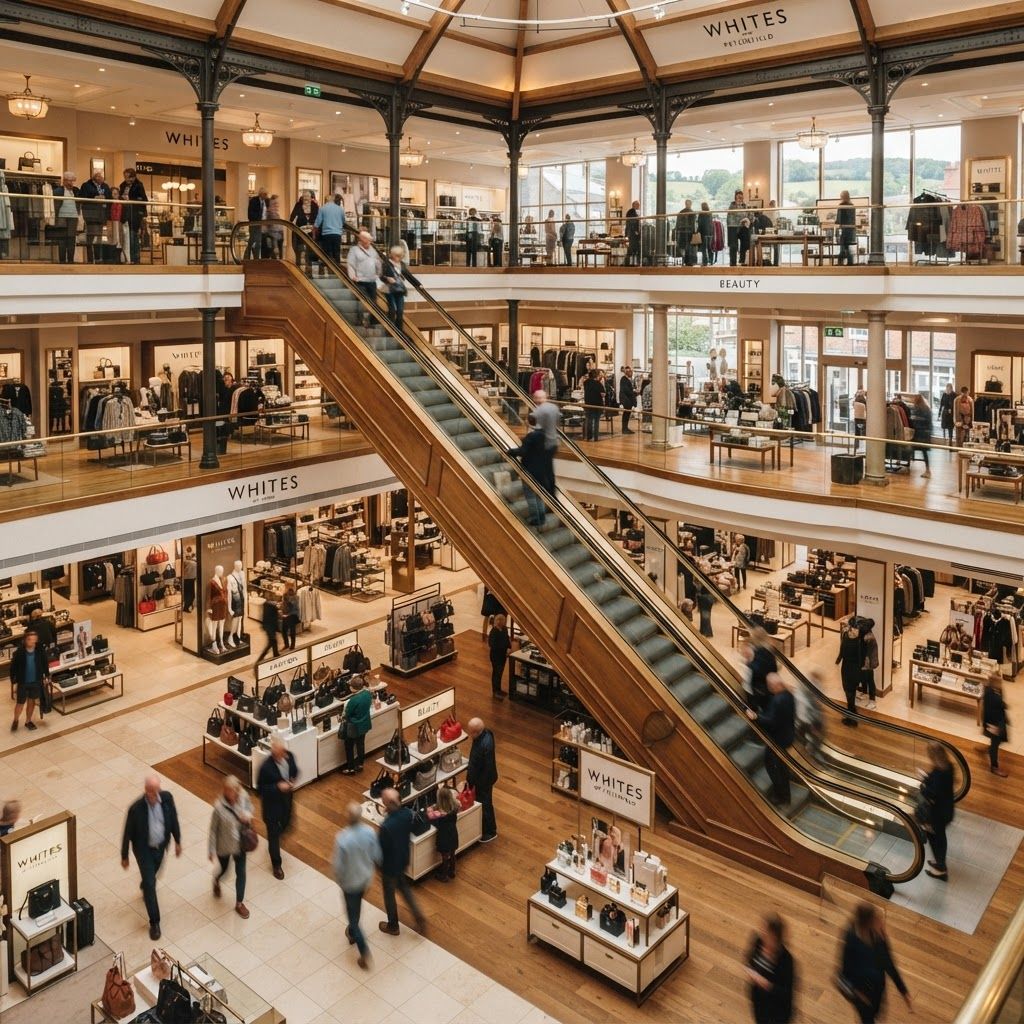
Retail geography matters here. Dumfries is the principal shopping centre, with Stranraer, Annan, Castle Douglas, Newton Stewart and Lockerbie serving their surrounding areas. Distances between towns are considerable, and for many residents a shopping trip is a planned excursion rather than a casual errand.
This has two consequences. First, online shopping has unusually high penetration, particularly for specialist items. Second, physical retailers that do succeed tend to offer strong service, expert fitting and product knowledge, because convenience alone cannot be their advantage.
Agricultural shows, country fairs and events such as the regional agricultural gatherings also function as significant retail occasions, where outdoor and country clothing brands sell directly to a knowledgeable audience.
Leading Clothing Brands Across Dumfries and Galloway
1. Barbour is arguably the defining outerwear brand of rural Britain, and Dumfries and Galloway is squarely within its heartland. Waxed cotton jackets suit the region's persistent damp better than most technical alternatives, and the brand's repair and rewaxing service means a well-chosen jacket genuinely lasts decades. That durability underpins its reputation far more than fashion appeal.
2. Harris Tweed garments, woven in the Outer Hebrides and tailored by numerous brands, remain a staple of Scottish country dressing. The cloth's weight, weather resistance and characteristic flecked colourways suit the landscape, and its protected origin status gives buyers genuine assurance about provenance.
3. Johnstons of Elgin represents the premium end of Scottish knitwear and woven accessories. Working in cashmere and fine lambswool from its own mills, the company produces scarves, sweaters and blankets that are widely sold through quality independents across the region and valued as much for their longevity as their softness.
4. Hawick Knitwear and the Borders knitwear tradition sit close enough to influence buying habits in eastern Dumfriesshire. Borders-made lambswool and merino knitwear has a strong reputation for value relative to cashmere, and remains a practical everyday layer in a cold, damp climate.
5. Schöffel has become a fixture in country clothing across rural Scotland, particularly its fleece gilets and shooting jackets. The brand's appeal lies in combining technical waterproof and breathable construction with a cut and colour palette suited to country rather than alpine settings.
6. Seasalt Cornwall has built a substantial following in coastal Scotland despite its southern origins, because its fabrics, prints and relaxed fit suit maritime life. The Solway coast communities in particular have taken to the brand's practical, unfussy approach to everyday clothing.
7. Joules occupies a similar space with a country-leaning casual range. Its strength is accessible pricing on well-made everyday pieces, and it is widely stocked through independent retailers and country stores across the region.
8. Berghaus and Rab serve the substantial outdoor and hillwalking market. With the Galloway Hills, the Merrick and extensive forest and coastal walking routes on the doorstep, genuine technical waterproofs, insulated jackets and layering systems are working equipment rather than lifestyle purchases for many residents.
9. Le Chameau and Hunter dominate the footwear-adjacent outerwear conversation, but their broader clothing ranges have grown in country retail. Combined with wellington boots, their outerwear rounds out the practical wardrobe that rural life demands.
10. Independent Scottish makers and small-batch brands form an increasingly important layer. Small studios across the region produce knitwear, tweed accessories, screen-printed clothing and made-to-measure pieces, often selling through craft markets, local galleries and studio shops. Their appeal rests on genuine provenance, distinctive design and the ability to buy directly from the person who made the garment.
Trends Shaping Clothing Choices Locally
Longevity has become a central value. Buying fewer, better garments and repairing rather than replacing them fits both the economics and the sensibility of the region. Brands offering repair services, spare buttons and replaceable components hold a genuine advantage.
Interest in traceable wool has grown substantially. British and Scottish wool, once undervalued to the point where fleeces barely covered shearing costs, has found renewed demand from brands emphasising local sourcing, and consumers in a farming region understand and appreciate that story.
Layering systems have replaced single heavy garments for many. A base layer, insulating mid-layer and waterproof shell offer flexibility across the region's changeable conditions, and retailers increasingly sell by system rather than individual item.
Gender-neutral and unisex sizing has expanded in outdoor and workwear categories, reflecting broader changes in how these garments are designed and marketed.
Second-hand and vintage buying has grown notably, supported by charity shops in every town and a strong regional culture of make-do-and-mend. Quality country clothing holds value well, and pre-owned Barbour jackets and tweed pieces circulate actively.
Buying Well in the Region
Fit is worth prioritising over brand. Country outerwear in particular needs room for layers underneath without becoming shapeless, and independent retailers with experienced staff are considerably better at getting this right than online ordering.
Check construction details rather than labels. Taped seams, storm flaps, two-way zips, reinforced elbows and adjustable cuffs all determine how a garment performs in sustained rain, and these features separate genuinely capable outerwear from garments styled to look capable.
Consider aftercare before purchase. Waxed cotton needs periodic rewaxing, technical waterproofs need proofing treatments, and wool needs appropriate washing. Garments requiring care that the owner will not provide tend to disappoint.
For knitwear, fibre quality matters more than weight. A fine-gauge lambswool or merino piece often outperforms a bulkier acrylic garment in both warmth and comfort, and will look considerably better after several seasons.
A Region With Its Own Style
Clothing in Dumfries and Galloway resists fashion cycles. The wardrobe that works here, built around weatherproof outerwear, good knitwear, hard-wearing trousers and reliable boots, has changed remarkably little in decades because the conditions have not changed either.
What has changed is the quality of information available to buyers and the growing preference for garments with a clear origin story. In a region that produces wool, has woven cloth for generations and still supports independent makers, that shift has been welcomed rather than resisted, and it has strengthened the position of brands that can genuinely justify their claims.
Want your brand featured in front of decision-makers? Publish a guest post or get a link insertion in our guides through AAMAX's guest post and link insertion service.
Helpful Links
 SponsoredAAMAX — Full-Service Digital Agency
Write for Us
Share your expertise with our readers. We welcome guest contributions from industry specialists.
Pitch your idea