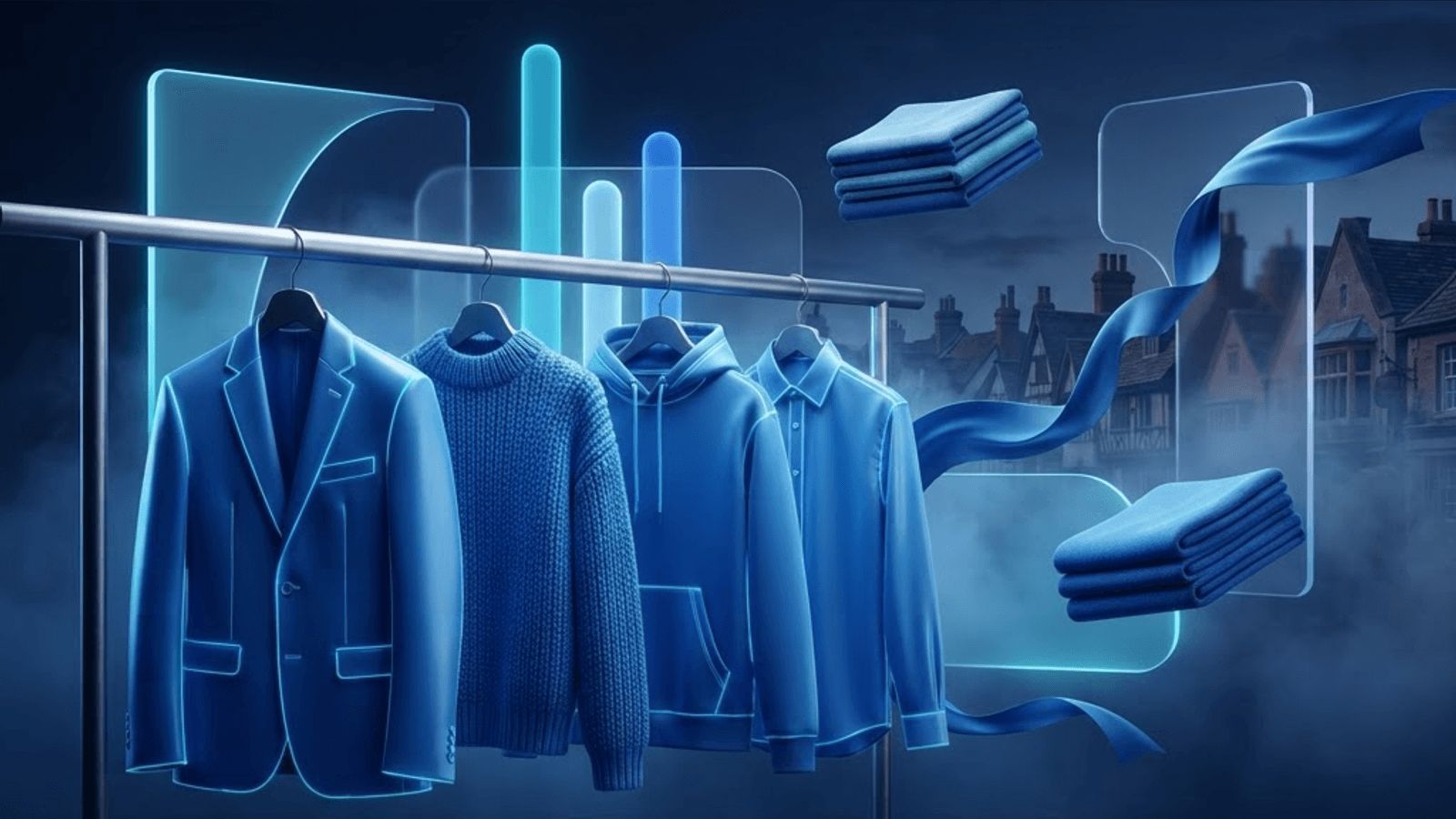
Clothing and Textile Heritage in Bassetlaw
Bassetlaw occupies the northern corner of Nottinghamshire, with Worksop and Retford as its principal towns and a landscape spanning the edge of Sherwood Forest, the Chesterfield Canal and the flat farmland approaching the Trent. Nottinghamshire's textile history is substantial, built on lace, hosiery and knitwear, and while the great mills of the county are largely gone, the skills and interest they generated have not entirely disappeared.
The district's clothing sector today reflects its economic character. Former coalfield communities and a strong logistics and manufacturing presence along the A1 corridor create genuine demand for workwear and durable clothing. Meanwhile, Retford's attractive Georgian market town centre supports independent boutiques, and a new generation of small sustainable labels operates from studios across the district selling nationally online.
What Makes a Clothing Brand Worth Choosing
Quality assessment starts with construction: seam finishing, fabric weight, button attachment and pattern matching reveal a great deal. Fabric composition affects durability, comfort and care requirements. Increasingly, buyers also consider manufacturing ethics, environmental impact and whether a brand can explain where its garments are made.
Fit consistency matters enormously for repeat purchase, and brands that maintain sizing across seasons build loyal customers. Repairability and availability of spare buttons or replacement parts extend garment life and signal a brand that expects its products to last.
1. Bassetlaw Workwear and Industrial Clothing
Serving the district's substantial manufacturing, logistics and construction workforce, this brand produces durable trousers, jackets, hi-vis garments and protective clothing. Products meet relevant safety standards, with reinforced stress points and fabrics tested for abrasion resistance. Bulk supply with embroidered branding for local employers is a significant part of the business.
2. Retford Heritage Knitwear
Drawing on Nottinghamshire's knitting tradition, this brand produces wool jumpers, cardigans and accessories using British yarn where possible. Garments are fully fashioned rather than cut and sewn, which improves fit and reduces waste. Classic designs with long product lifecycles rather than seasonal churn define the approach, and repair services extend garment life further.
3. Worksop Streetwear Collective
A contemporary label producing hoodies, tees, caps and outerwear with graphics referencing local identity and culture, this brand has built a following among younger customers. Limited drops and collaborations with local artists and musicians generate genuine community engagement. Print quality and garment weight are noticeably better than typical promotional clothing.
4. Sherwood Outdoor Apparel
Serving walkers, cyclists and outdoor workers exploring Sherwood Forest and the Chesterfield Canal corridor, this brand produces weatherproof jackets, insulated layers and technical trousers. Practical design features such as generous pockets, adjustable hems and packability reflect genuine outdoor use. Increasingly, membranes and insulation are selected to avoid problematic chemistries.
5. Chesterfield Canal Sustainable Clothing
An emerging label built around organic cotton, linen, recycled fibres and low-impact dyeing, this brand publishes supplier information and manufacturing details openly. Small production runs avoid overproduction, and garments are designed for longevity rather than trend alignment. Packaging is plastic-free and take-back for worn-out garments is offered.
6. Harworth Schoolwear and Uniform Supply
Supplying school uniform to families across the district, this brand focuses on durability and value, recognising that uniform must survive daily wear and frequent washing. Stain resistance, reinforced knees and generous hems for growing children are practical design priorities. Second-hand and recycled uniform schemes are supported in partnership with schools.
7. Tuxford Tailoring and Bespoke Menswear
Offering made-to-measure suits, jackets and shirts alongside alterations, this business serves customers seeking proper fit rather than off-the-peg compromise. Cloth is selected from British mills where possible. Wedding and occasion tailoring is a substantial part of the trade, with fittings scheduled well in advance of events.
8. Worksop Womenswear Boutique Label
An independent label producing dresses, separates and occasionwear in small runs, this brand emphasises flattering cut and fabric quality over fast turnover. Designs are made locally, allowing rapid response to customer feedback and genuine size inclusivity across a broader range than mass market brands typically offer.
9. Bassetlaw Sportswear and Team Kit
Producing football, rugby, running and gym kit for local clubs, schools and fitness businesses, this brand handles design, printing and embroidery. Technical fabrics manage moisture and provide stretch, while sublimation printing ensures designs do not crack or peel. Club partnerships often span many years, with kit refreshed on agreed cycles.
10. Retford Vintage and Reworked Clothing
Completing the list, this brand sources vintage garments and reworks them into contemporary pieces, combining circular principles with genuine originality. Each item is effectively unique, appealing to customers seeking distinctiveness alongside lower environmental impact. Repair and alteration services are offered on customers' own garments too.
Trends in Clothing Retail
Sustainability has shifted from marketing claim to purchase criterion, particularly among younger customers. Resale, rental and repair have moved into the mainstream, and brands that support garment longevity gain advantage over those depending on rapid replacement.
Localism has strengthened. Customers increasingly value clothing designed and made nearby, both for the reduced transport impact and for the connection to place. Brands referencing local landmarks, history and identity resonate strongly in a district with a proud industrial heritage.
Size inclusivity has improved but remains inconsistent. Brands offering genuinely well-cut garments across a wide size range, rather than simply scaling up a single pattern, earn strong loyalty.
Direct-to-consumer online selling has allowed small Bassetlaw labels to reach national audiences without traditional wholesale relationships, changing the economics of starting a clothing brand considerably.
Shopping Well in Bassetlaw
Consider cost per wear rather than purchase price. A well-made jacket worn for a decade outperforms several cheap replacements financially and environmentally. Support brands that explain their supply chains and offer repair. Bassetlaw's mix of practical workwear expertise, heritage knitwear skills and emerging sustainable labels gives local shoppers a genuinely interesting range of options.
Want your brand featured in front of decision-makers? Publish a guest post or get a link insertion in our guides through AAMAX's guest post and link insertion service.
Helpful Links
 SponsoredAAMAX — Full-Service Digital Agency
Write for Us
Share your expertise with our readers. We welcome guest contributions from industry specialists.
Pitch your idea