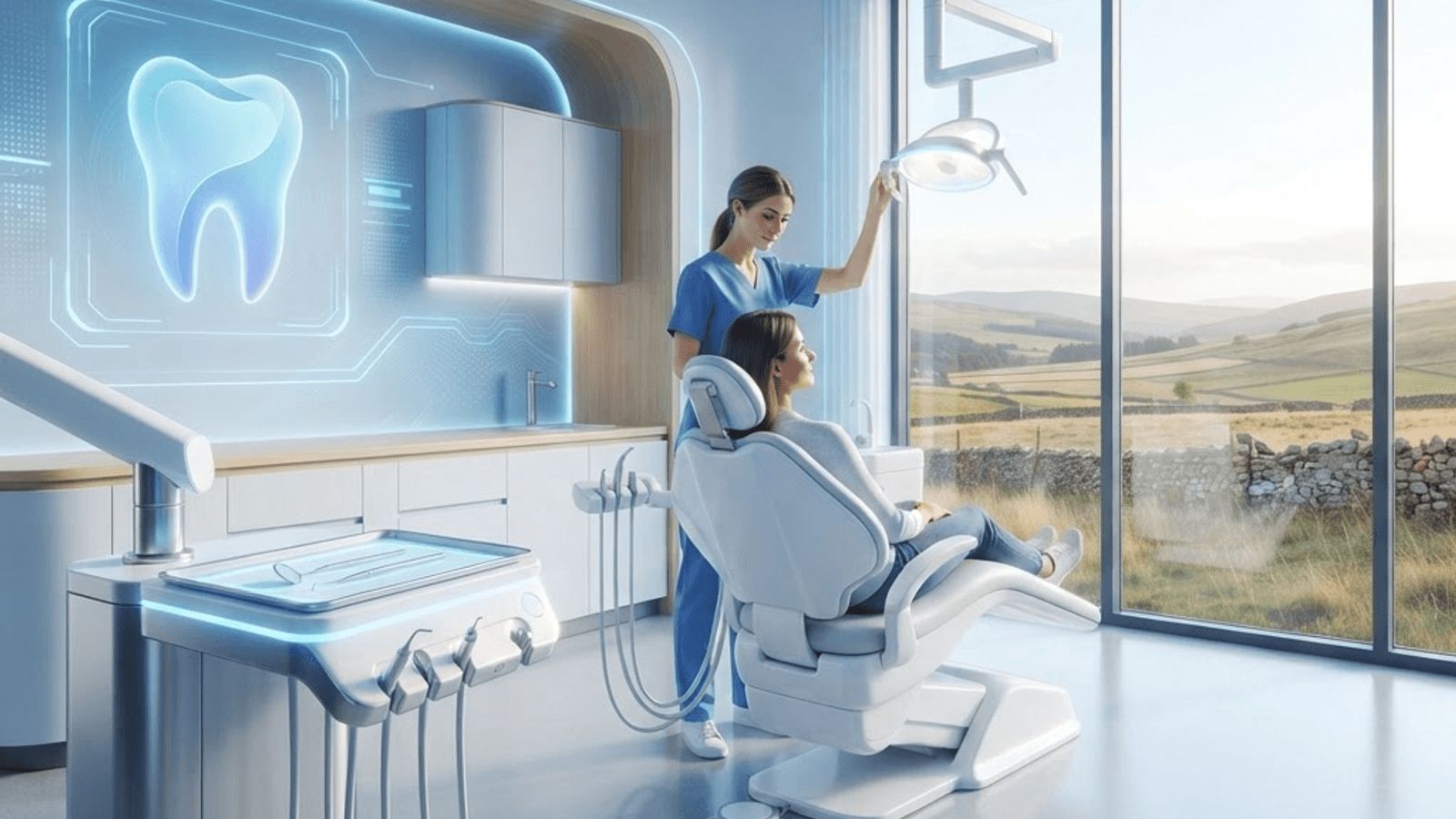
The Role Clinics Play in Local Healthcare
Hospitals attract the attention, but clinics do the heavy lifting. The overwhelming majority of healthcare contacts in West Lancashire happen in GP surgeries, community health centres, outpatient clinics and private consulting rooms rather than in hospital wards. For most residents, the quality of their local clinic has a far greater effect on their health experience than the reputation of any hospital.
The district's clinic network reflects its geography. Ormskirk, with its student population and established residential base, supports a concentration of general practice and allied health services. Skelmersdale, developed as a new town, has health provision built around planned community centres. Outlying villages including Burscough, Tarleton, Parbold, Rufford and Aughton rely on smaller practices where continuity of care with a known clinician is often the defining advantage.
The Clinic Types and Providers Serving the District
NHS general practices across Ormskirk form the foundation of local care. Larger town practices typically offer extended teams including practice nurses, clinical pharmacists, physiotherapists working as first-contact practitioners, and social prescribing link workers. This multidisciplinary model means many problems are resolved without needing a GP appointment at all.
Skelmersdale health centres and primary care hubs concentrate several services in shared buildings, combining general practice with community nursing, child health, and visiting specialist clinics. The co-location model reduces travel for patients managing multiple conditions.
Village practices in Burscough, Tarleton and Hesketh Bank offer something larger sites struggle to replicate: genuine relational continuity. Seeing the same clinician repeatedly measurably improves outcomes in long-term condition management, and smaller practices consistently score well on patient experience surveys for exactly this reason.
Primary Care Networks deserve mention as a structure rather than a building. Practices across the district collaborate through these networks to deliver enhanced services such as extended-hours appointments, structured medication reviews and proactive care for frail patients, pooling staff that no single practice could sustain alone.
Community health clinics run by NHS community trusts deliver district nursing, podiatry, continence services, speech and language therapy, and specialist nursing for conditions such as diabetes and heart failure. These services are frequently accessed by direct referral from a GP and represent a substantial share of local care.
Renacres Hospital outpatient clinics near Halsall provide consultant-led private and NHS-funded appointments across orthopaedics, general surgery, gynaecology and other specialties, offering a local alternative to travelling into Liverpool or Preston.
Spire Healthcare outpatient clinics in the surrounding region provide rapid access private consultations, often within days, with the same consultants who work in NHS hospitals. For patients wanting a prompt specialist opinion, this route is straightforward.
Nuffield Health clinics combine consultant appointments with structured health assessments and rehabilitation, appealing to patients focused on prevention as much as treatment.
Private GP services have expanded considerably, offering longer appointments, same-day availability and direct referral into private diagnostics. They complement rather than replace NHS registration, since NHS records, screening programmes and repeat prescribing remain anchored to a registered practice.
Specialist therapy and wellbeing clinics across the district cover musculoskeletal physiotherapy, podiatry, audiology, dermatology, women's health and talking therapies, typically operating on self-referral and providing fast access for problems that do not require hospital involvement.
What a Well-Run Clinic Looks Like
Access is the first test. A good clinic offers multiple routes in: online consultation forms, telephone triage, and face-to-face appointments, with a transparent explanation of how urgent problems are prioritised. Practices that publish their triage process tend to manage demand far better than those that do not.
Continuity is the second. Ask whether you can request a named clinician for ongoing problems. Evidence consistently shows that continuity reduces hospital admissions and improves satisfaction, particularly for older patients and those with multiple conditions.
Regulatory standing is the third. All clinics providing regulated activity in England are registered with and inspected by the Care Quality Commission, and inspection reports are published in full. For general practice, the national GP Patient Survey adds a valuable independent perspective on access, communication and trust.
Finally, look at the breadth of the team. Clinics employing pharmacists, physiotherapists, mental health practitioners and care coordinators can resolve a wider range of problems quickly, which usually translates into shorter waits for everyone.
Practical Guidance on Registration and Access
Registering with an NHS practice requires no proof of address or immigration status, and practices must accept patients living within their published boundary unless they have formally closed their list. Registration is free and can often be completed online.
For urgent problems outside surgery hours, NHS 111 provides assessment and can book appointments directly into out-of-hours services and urgent treatment centres. Community pharmacies now manage a growing list of common conditions directly, including several minor infections, which for many people is the fastest route to treatment.
When seeing a private clinic, ask three questions: whether the clinician holds substantive NHS experience in the specialty, what the total cost includes, and how results and correspondence will be shared with your NHS GP. Good private providers answer all three without hesitation.
Trends Shaping Clinic Care Locally
Digital triage has become standard, shifting first contact online for many patients while preserving telephone and walk-in routes for those who need them. Remote monitoring of blood pressure, blood glucose and weight is increasingly managed through clinics rather than hospitals.
Pharmacy-led services continue to expand, formally moving some prescribing and minor illness management out of general practice. Mental health practitioners embedded within primary care teams have significantly shortened the path to talking therapies.
Prevention is the clearest long-term shift. Structured reviews for cardiovascular risk, diabetes prevention programmes and targeted screening are absorbing more clinic capacity, based on strong evidence that early intervention reduces later hospital demand.
For West Lancashire residents, the practical takeaway is that the district's clinic network is broader than it appears. Between NHS general practice, community services, pharmacy provision and accessible private options, most health needs can be met close to home without ever reaching a hospital door.
Want your brand featured in front of decision-makers? Publish a guest post or get a link insertion in our guides through AAMAX's guest post and link insertion service.
Helpful Links
 SponsoredAAMAX — Full-Service Digital Agency
Write for Us
Share your expertise with our readers. We welcome guest contributions from industry specialists.
Pitch your idea