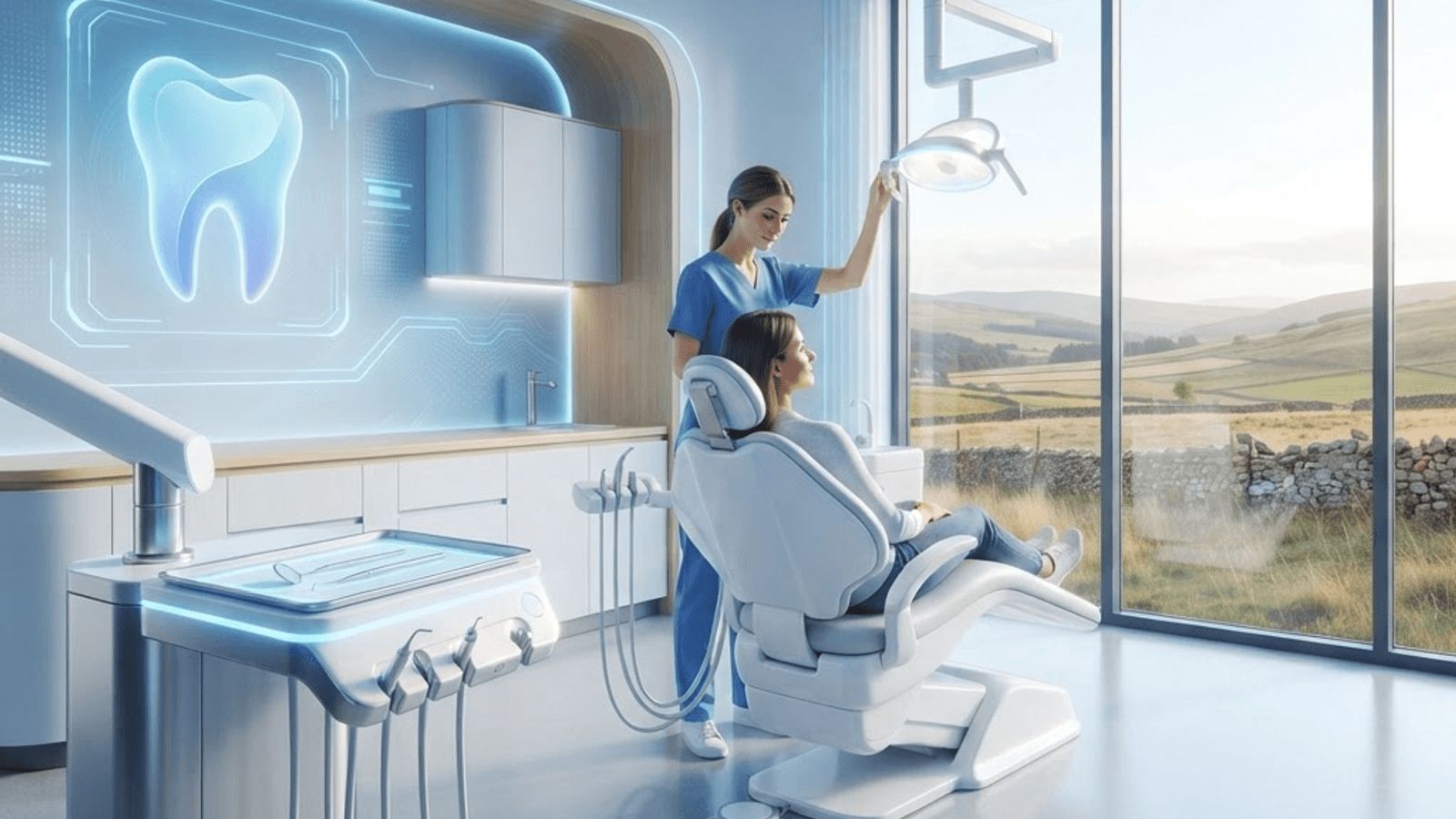
The Role of Clinics in Gedling's Health System
Clinics are where most healthcare actually happens. For every hospital admission, there are dozens of GP consultations, nurse appointments, vaccination sessions, minor-injury visits and follow-up reviews taking place in community buildings across Arnold, Carlton, Netherfield, Gedling village, Burton Joyce and Calverton. Understanding this layer of provision is far more useful day to day than knowing which hospital does which operation.
Gedling's clinic landscape reflects its population: a large suburban base with a substantial number of families, a growing older cohort and pockets of higher deprivation where access to timely care matters most. Practices have responded by expanding nurse-led services, adding pharmacists and physiotherapists to their teams, and joining primary care networks that let neighbouring surgeries share evening and weekend appointments.
1. Arnold Health Centre
Arnold Health Centre is one of the borough's central primary care hubs, serving a large registered population from the middle of Arnold. Its scale allows it to offer more than a small surgery can: dedicated long-term condition clinics for diabetes and respiratory disease, on-site phlebotomy, and a team that typically includes practice nurses, healthcare assistants and clinical pharmacists. For residents, the practical benefit is being able to complete several elements of care in one visit rather than travelling to multiple sites.
2. Calverton Practice
Serving the village of Calverton and its surrounding area, this practice illustrates the strengths of smaller rural provision. Continuity of care is its defining feature: patients often see the same clinician over many years, which makes a measurable difference for complex or chronic conditions. Village practices like this also tend to work closely with community nursing teams, supporting older residents who would otherwise struggle with travel into Nottingham.
3. Netherfield Medical Practices
The practices serving Netherfield and Colwick support a diverse community with a wide spread of health needs. Local teams have invested in same-day triage systems, where a clinician reviews requests each morning and directs patients to the right professional, whether that is a GP, nurse, pharmacist or physiotherapist. That model has become common across the borough and generally gets people seen faster than traditional appointment queueing.
4. Carlton and Gedling GP Surgeries
Carlton Hill and the surrounding streets host several well-established surgeries with deep roots in the community. Many have expanded their premises or shifted to a hub model, sharing extended-hours clinics with neighbouring practices so that appointments are available in the early morning, evening and at weekends. For working residents, that extended access has been one of the most significant improvements in local primary care in recent years.
5. NHS Urgent Treatment Centres Serving Gedling
Urgent treatment centres sit between a GP surgery and a hospital emergency department. They handle sprains, minor fractures, wounds, infections and similar problems without the long waits associated with major emergency departments. For Gedling residents, using an urgent treatment centre for a suitable problem is usually the fastest route to treatment, and NHS 111 can book a time slot in advance rather than leaving patients to wait on arrival.
6. Community Nursing and Health Visiting Clinics
Community health teams run clinics in local health centres and children's centres across the borough, covering childhood immunisations, developmental checks, wound care, continence services and support for new parents. These services are easy to overlook but they carry a large share of preventative care. Health visiting in particular provides a crucial safety net for young families during the first years of a child's life.
7. Private GP and Consultant Clinics in Greater Nottingham
A growing number of Gedling residents use private GP services for rapid appointments, longer consultation times and quick access to blood tests or scans. Private clinics across Nottingham offer same-day or next-day appointments and can refer directly to consultants. They are not a replacement for NHS registration, and any ongoing prescribing or long-term care generally returns to the NHS practice, but for a fast answer to a worrying symptom they have clear appeal.
8. Sexual Health and Contraception Services
Integrated sexual health services covering Nottinghamshire provide confidential testing, contraception, emergency contraception and specialist advice, with clinics accessible to Gedling residents and postal testing kits for those who prefer privacy. These services are free at the point of use and open to anyone regardless of GP registration, which makes them an important part of the borough's health provision for younger adults in particular.
9. Musculoskeletal and Podiatry Clinics
Musculoskeletal problems are among the most common reasons people visit a clinician. Community MSK clinics allow patients to be assessed by a specialist physiotherapist without first seeing a GP in many cases, shortening the pathway considerably. Podiatry services, particularly important for people with diabetes, run from community sites and help prevent complications that would otherwise result in hospital admission.
10. Travel Health and Vaccination Clinics
Travel clinics operating from pharmacies and private providers across the borough handle vaccinations, antimalarial prescribing and destination-specific advice. Demand is seasonal and appointments should be booked six to eight weeks before travel, as some vaccine courses require multiple doses. Many of these clinics also deliver seasonal flu and other adult vaccinations, complementing GP-led programmes.
Registering and Getting Seen Quickly
Registering with a GP practice requires proof of address in most cases, and practices allocate patients by catchment area. New residents should register promptly rather than waiting until they are unwell, because registration can take a few days to process. Online consultation tools now allow many issues to be submitted in writing and triaged the same day, often producing a faster response than telephoning at eight in the morning.
Choosing the right service also speeds things up. A pharmacist can now treat several common conditions directly under the NHS community pharmacy scheme, meaning a sore throat, earache or urinary infection may not require a GP appointment at all. Reserving GP time for problems that genuinely need it benefits everyone in the queue.
Trends Shaping Community Care
Three developments are reshaping clinics in Gedling. Primary care networks are pooling staff and resources so that patients can access physiotherapists, mental health practitioners and pharmacists directly. Remote consultation has become standard for routine follow-up, saving travel time for straightforward reviews. And diagnostics are moving closer to home, with community scanning and testing reducing reliance on hospital appointments.
Making the Right Choice
The best clinic is usually the one matched to the problem rather than the one with the best reputation overall. For ongoing conditions, continuity with a known clinician at your registered practice delivers the best outcomes. For an urgent but minor injury, an urgent treatment centre will be quicker. For a fast private opinion, a same-day private GP clinic has its place. Knowing which door to knock on is the local knowledge that makes the system work in your favour.
Want your brand featured in front of decision-makers? Publish a guest post or get a link insertion in our guides through AAMAX's guest post and link insertion service.
Helpful Links
 SponsoredAAMAX — Full-Service Digital Agency
Write for Us
Share your expertise with our readers. We welcome guest contributions from industry specialists.
Pitch your idea