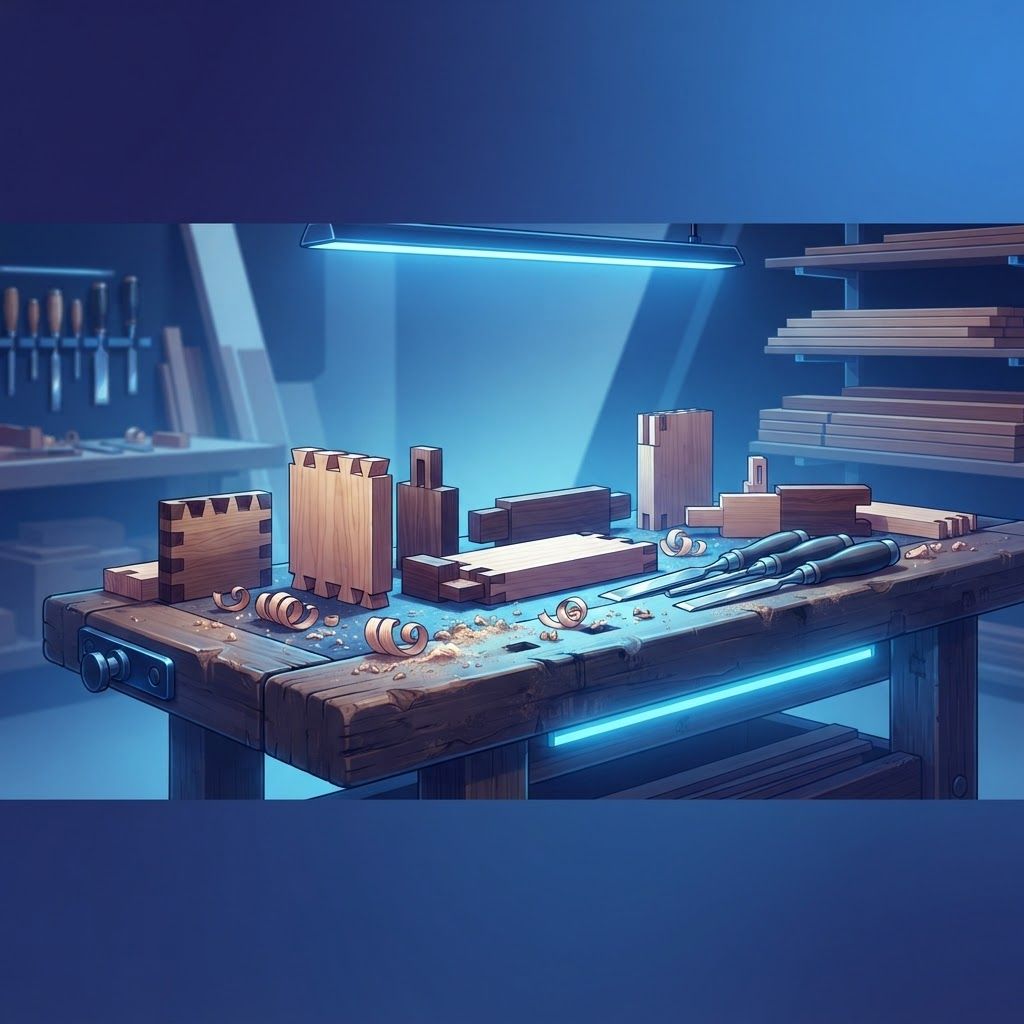
Carpentry and Joinery in North Ayrshire
Carpentry is among the oldest and most versatile of the building trades, and it remains central to almost every construction project. In Scotland the terms carpenter and joiner are often used interchangeably, though traditionally a carpenter works on structural timber on site while a joiner produces finished components such as doors, windows, staircases and cabinetry in a workshop.
North Ayrshire has a strong timber tradition, supported by Scotland's substantial forestry sector and by a housing stock that makes extensive use of timber frame construction. From roof trusses on new housing developments in Kilwinning to sash window restoration on Largs seafront properties, the range of work in the region is broad.
First Fix Carpentry Specialists
First fix carpentry covers the structural timber work completed before plastering. This includes floor joists, roof structures, stud partitions, timber frame erection, door linings and noggings for fixing points. Accuracy at this stage determines everything that follows, because a partition that is out of plumb or a floor that is not level creates problems for every subsequent trade.
Timber frame erection has become a major part of this work as Scottish housebuilders increasingly use factory-manufactured panels. Erection teams work rapidly, and getting a house weathertight quickly is a substantial advantage in the Ayrshire climate.
Second Fix Carpentry and Finishing
Second fix carpentry is the visible finishing work: hanging doors, fitting skirtings and architraves, installing staircases and handrails, fitting ironmongery and building in storage. This is where craftsmanship shows. Mitres that close cleanly, doors that swing without binding and skirtings that follow an uneven old wall without visible gaps are the marks of a skilled joiner. In older Ayrshire properties, where nothing is truly square or level, second fix work demands genuine problem-solving ability.
Bespoke Furniture and Cabinet Makers
Workshop-based cabinet makers across the region produce fitted wardrobes, alcove units, bookcases, media walls, home office furniture and freestanding pieces. The appeal of bespoke work is fit: purpose-made units use every available millimetre of an awkward alcove or a sloping loft eaves space, something mass-produced furniture cannot achieve. Cabinet makers typically work in solid hardwood, veneered board and painted finishes, combining machine accuracy with hand finishing.
Kitchen Fitting Specialists
Kitchen installation is a joinery discipline in its own right, requiring precise levelling of base units, accurate scribing to uneven walls, worktop jointing and integration with appliances, plumbing and electrics. Skilled fitters coordinate closely with other trades, since a kitchen install involves sequencing that can easily go wrong. Bespoke kitchen makers in the region produce cabinetry sized exactly to the room, which particularly suits period properties with unusual proportions.
Staircase Manufacture and Installation
Staircases combine structural engineering with visible craftsmanship. Joiners produce straight flights, winders, quarter and half landings, and open-plan designs with glass or metal balustrades. Building standards govern rise, going, headroom, handrail height and guarding, and a staircase that fails these requirements is expensive to rectify. Staircase renovation, replacing spindles, newel posts and handrails, is a popular and relatively affordable way to transform an entrance hall.
Sash and Case Window Restoration
Traditional sash and case windows are a defining feature of period properties in Largs, Saltcoats and Ardrossan. Specialists restore rather than replace them, repairing rotted sections with new timber spliced in, replacing cords and weights, draught-proofing with discreet brush seals and, where appropriate, upgrading to slim-profile double glazing. Restoration preserves character and is frequently required in conservation areas. Properly restored and draught-proofed sash windows can perform respectably while retaining a building's architectural integrity.
Door Manufacture and Hanging Specialists
Joiners produce and fit internal and external doors, including bespoke entrance doors, fire doors for commercial and multi-occupancy buildings, and matched panel doors for period restorations. Fire door installation is a specialist area, as certification depends on correct frame, intumescent seals, ironmongery and gap tolerances being installed exactly as tested.
Decking, Garden Structures and External Joinery
Outdoor timber work is popular across the region, from decking and pergolas to sheds, summerhouses, fencing and garden rooms. Coastal exposure makes timber selection critical: pressure-treated softwood, naturally durable hardwood or modified timber all outperform untreated material. Fixings should be stainless steel near the coast, since standard galvanised fasteners corrode rapidly in salt air and stain the timber.
Shopfitting and Commercial Joinery
Commercial joiners produce retail counters, display units, bar fronts, reception desks and wall panelling. Durability requirements are far higher than domestic work, since commercial surfaces endure constant use. These workshops generally combine computer-controlled cutting for accuracy and repeatability with skilled hand assembly and finishing.
Structural Timber Repair Specialists
Older buildings develop timber problems: rot in window sills and roof timbers, woodworm infestation, failed lintels and sagging floor joists. Specialists diagnose the cause, which is almost always a moisture source, address that first, then carry out structural repair using resin bonding, timber splicing or steel reinforcement. Treating the symptom without fixing the water ingress guarantees the problem returns.
Sustainability in Timber Work
Timber is the most sustainable mainstream construction material, sequestering carbon throughout its service life. Responsible carpenters specify certified timber from managed forests, minimise waste through careful setting out, and use low-emission adhesives and finishes. Scottish-grown timber is increasingly used in construction, reducing transport emissions and supporting the domestic forestry sector. Reclaimed timber is also popular for feature work, offering character that new material cannot replicate.
How to Choose a Carpenter or Joiner
Look at completed work rather than photographs alone if possible, since joinery quality is tactile. Ask whether the work will be produced in a workshop or on site, as this affects finish quality and disruption. Confirm whether the price includes materials, ironmongery and finishing. For structural work, ensure the carpenter understands the relevant building standards and will coordinate with any structural engineer involved.
Timescales matter too. Good joiners are usually booked well ahead, and a craftsman available immediately in a busy market is worth a second look.
Final Thoughts
Carpentry and joinery in North Ayrshire span structural timber engineering, precision cabinetmaking and sensitive heritage restoration. The trade rewards patience and experience, and the difference between adequate and excellent work is visible every day in a finished home. Whether the project is a full timber frame, a fitted kitchen or a restored sash window, choosing a joiner whose previous work matches your expectations is the most reliable path to a result you will still appreciate in twenty years.
Want your brand featured in front of decision-makers? Publish a guest post or get a link insertion in our guides through AAMAX's guest post and link insertion service.
Helpful Links
 SponsoredAAMAX — Full-Service Digital Agency
Write for Us
Share your expertise with our readers. We welcome guest contributions from industry specialists.
Pitch your idea