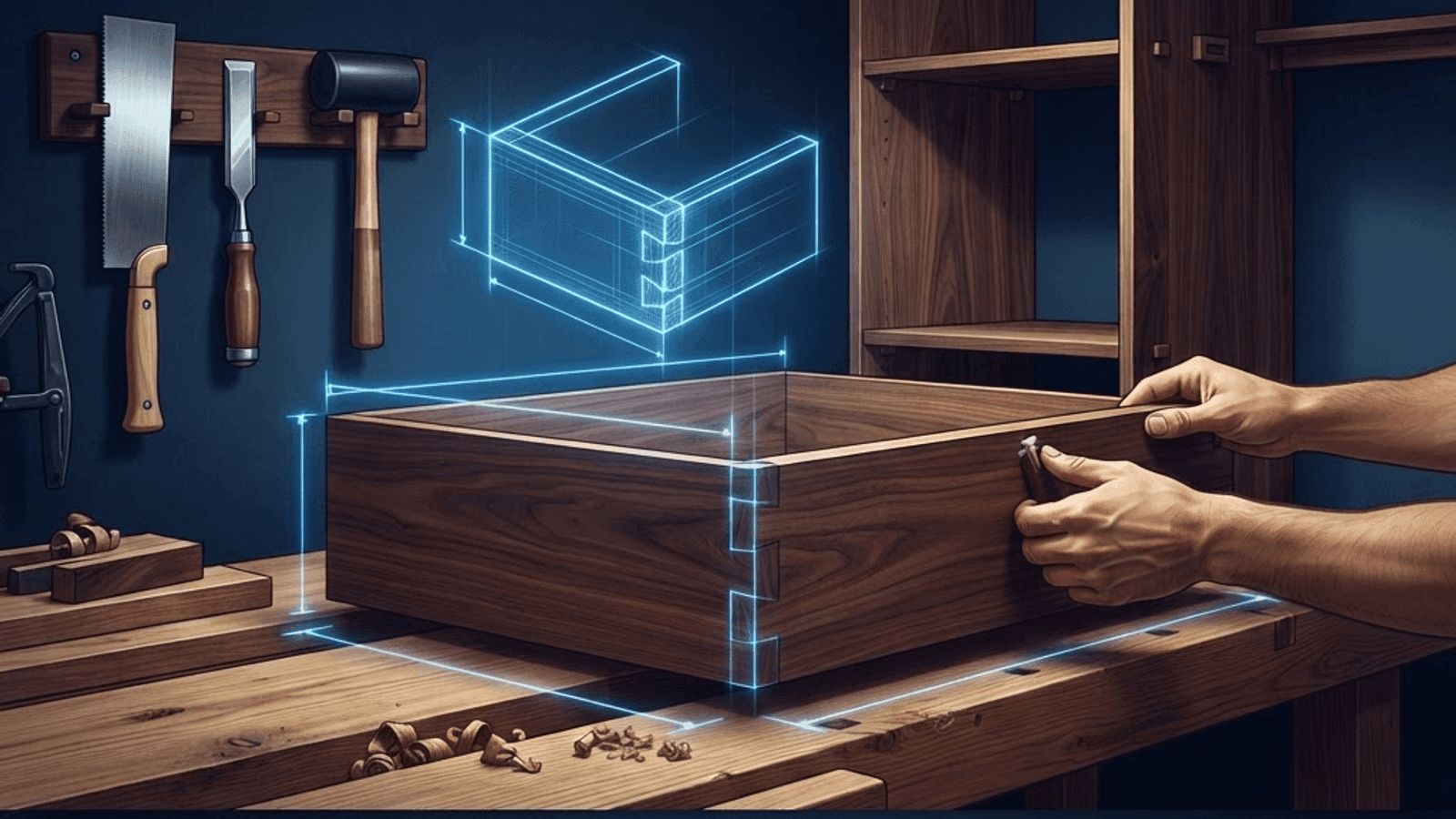
Carpentry and Joinery: Understanding the Distinction
The terms are often used interchangeably, but the trade distinguishes between them meaningfully. Carpentry is generally work carried out on site, including structural timber, roof framing, studwork, floor joists and first-fix elements. Joinery describes items manufactured in a workshop, such as doors, windows, staircases, cabinetry and furniture, which are then installed. Many Havant businesses do both, but the underlying skills and equipment differ, and the best results come from engaging the right specialism.
Timber work remains central to British construction. Even in buildings with masonry walls and steel frames, roofs, floors, staircases, doors, windows and fitted furniture are typically timber. In Havant's mixed property stock, from period houses with original joinery worth preserving to new builds with engineered timber systems, the range of carpentry work is broad.
1. Structural and First-Fix Carpenters
Structural carpenters handle the skeleton of a building: floor joists, roof trusses and cut roofs, stud partitions, door linings, noggins and window frames. On extensions and new builds, their work sets out the dimensional accuracy that every subsequent trade depends on. Cut roof work, where rafters are measured and cut on site rather than using prefabricated trusses, is a genuine skill requiring understanding of geometry and is necessary for complex or altered roof shapes.
2. Second-Fix and Finishing Carpenters
Second-fix carpentry covers everything visible after plastering: hanging doors, architrave and skirting, window boards, staircases, loft hatches, shelving and ironmongery. This is where quality becomes immediately apparent to occupants. Tight mitres, consistent reveals, doors that swing correctly and close cleanly, and scribed rather than gapped joints against uneven walls all distinguish a skilled finishing carpenter from an adequate one.
3. Bespoke Fitted Furniture Makers
Fitted furniture maximises awkward spaces that freestanding pieces cannot use: alcove cupboards and shelving, under-stairs storage, wardrobes fitted into sloping loft rooms, window seats with integrated storage and home office installations. Because each piece is made to measured site dimensions, fitted furniture works in old properties where nothing is square and standard units leave unusable gaps. Local workshops typically offer a full service from survey and design through manufacture to installation and finishing.
4. Kitchen Fitting Specialists
Kitchen installation is a carpentry-led discipline requiring coordination with plumbing, electrics, gas and tiling. Skilled fitters level and pack units accurately on uneven floors, scribe end panels to out-of-plumb walls, cut and join worktops with precise mitres and correct jointing, and install appliances to manufacturer requirements. Solid timber and stone worktops demand particular care with cut-outs around sinks and hobs, where inadequate support or sealing leads to failure.
5. Staircase Manufacture and Renovation
Staircases combine structural engineering with fine joinery. Specialists manufacture new flights for loft conversions and extensions, working to strict building regulations governing rise, going, headroom, handrail height and balustrade spacing. Renovation work includes replacing balustrades and newel posts, repairing worn treads, curing squeaks by re-wedging and gluing from beneath, and cladding or recovering existing structures. A well-made staircase is frequently the most visible piece of joinery in a house.
6. Window and Door Joinery Specialists
Traditional joinery workshops manufacture timber windows and doors to match originals, which matters enormously in conservation areas and listed buildings where replacement with uPVC would be unacceptable or unlawful. Sash window specialists repair and refurbish existing units, replacing rotten sections through splicing, renewing cords and weights, fitting draught-proofing systems and installing slim double glazing where permitted. Refurbishing original windows is often cheaper than replacement and always preserves more character.
7. Timber Frame and Structural Carpentry Contractors
Timber frame construction is growing in the residential sector, and carpenters erecting these systems work from engineered drawings assembling factory-manufactured panels or building on site. Related disciplines include green oak framing for extensions, garden structures and barn conversions, which uses traditional jointing techniques with pegged mortice and tenon connections. Engineered timber products such as glulam beams and I-joists have also entered mainstream use, requiring familiarity with their handling and fixing requirements.
8. Decking, Pergolas and Outdoor Carpentry
External timber work has grown with increased investment in outdoor living. Decking installation requires proper ground preparation, adequate ventilation beneath, correct joist spacing and appropriate fixings that resist corrosion, which matters considerably in Havant's coastal air. Pergolas, garden rooms, carports, fencing and gates all fall within this category. Material choice between pressure-treated softwood, hardwood and composite affects both appearance and maintenance requirement substantially.
9. Heritage and Conservation Carpentry
Period properties in central Havant and Emsworth contain original joinery worth conserving. Heritage carpenters repair rather than replace, splicing new timber into sound original material, matching historic mouldings by making custom cutters, repairing structural roof timbers with traditional scarf joints, and reinstating missing details from surviving evidence. This work requires knowledge of historic techniques and materials, and often involves liaison with conservation officers on listed buildings.
10. Commercial Shopfitting Carpentry
Commercial carpenters produce and install shop counters, display units, reception desks, bar servery units, wall panelling and specialist fixtures. Work is typically manufactured in a workshop to tight tolerances and installed rapidly during out-of-hours possession to minimise trading disruption. Materials extend beyond timber into laminates, solid surface materials, veneers and metal, requiring broader fabrication knowledge than domestic carpentry.
Recognising Quality Workmanship
Several markers indicate genuine skill. Joints should be tight and consistent, with mitres meeting cleanly rather than being filled. Scribing to uneven surfaces, rather than leaving a gap covered with sealant, shows care. Doors should have even gaps on all sides and close without binding or springing. Drawer and door alignment in fitted furniture should be consistent across the run. Fixings should be concealed or neatly plugged. And on external work, end grain should be sealed and fixings should be stainless or appropriately coated for the environment.
Materials and Sustainability
Timber is a renewable material with low embodied carbon when responsibly sourced, and certification schemes provide assurance on origin. Softwoods such as redwood and whitewood suit painted internal work and, when pressure treated, external use. Hardwoods including oak, ash and sapele offer durability and appearance for high-quality joinery. Engineered products such as plywood, MDF and laminated timber provide dimensional stability for cabinetry. In coastal locations, moisture movement is a genuine consideration, and properly acclimatised, correctly finished timber performs far better than material installed straight from a damp store.
Commissioning Bespoke Work
Provide clear references for the style you want, including photographs, as design language is easily misunderstood in words alone. Agree dimensions from a physical site survey rather than your own measurements. Establish whether the price includes finishing, since spray-finished furniture costs more than supply in primer. Confirm lead times, as good workshops are frequently booked weeks ahead. And discuss how the piece will be delivered and installed, particularly for large items in properties with narrow staircases or restricted access, which sometimes requires on-site assembly.
Want your brand featured in front of decision-makers? Publish a guest post or get a link insertion in our guides through AAMAX's guest post and link insertion service.
Helpful Links
 SponsoredAAMAX — Full-Service Digital Agency
Write for Us
Share your expertise with our readers. We welcome guest contributions from industry specialists.
Pitch your idea