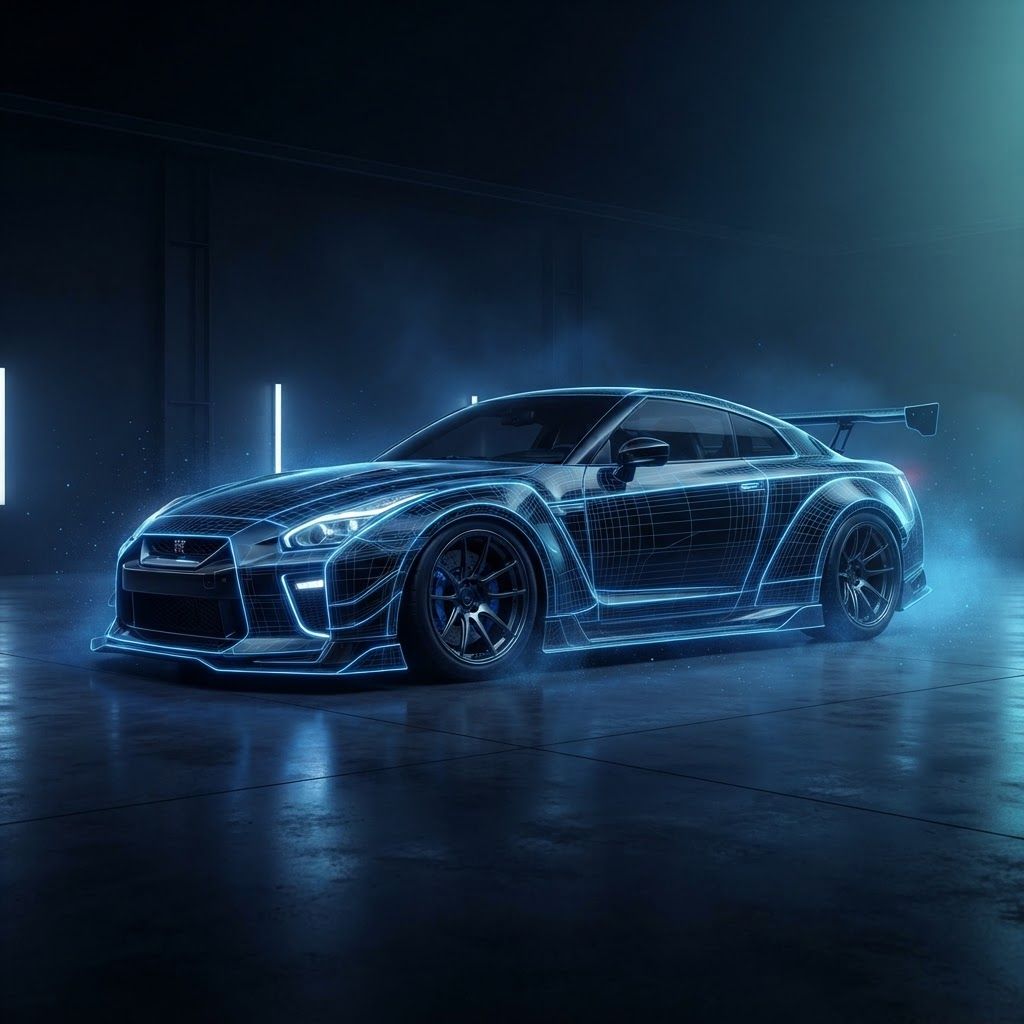
Car Culture in West Lothian
Central Scotland has a long-standing modified car culture, and West Lothian sits at its geographic heart. Proximity to both Edinburgh and Glasgow, combined with good motorway access and a network of quieter rural roads, has sustained an active enthusiast community across generations. Local meets, track days at nearby circuits and a strong online community keep interest high, spanning everything from Japanese performance imports and German saloons to hot hatches, classic restorations and modern electric conversions.
That demand supports a genuinely varied customization sector. The important thing for owners to understand is that modification quality separates the enjoyable projects from the expensive mistakes. A well-planned build with matched components, professional installation and correct documentation performs better, lasts longer and retains value. A poorly planned one creates reliability problems, insurance complications and MOT failures. The categories below reflect where local specialists genuinely add value.
1. Engine Tuning and Remapping Specialists
ECU remapping is the most common starting point for performance work. Skilled tuners write custom maps on a rolling road rather than loading generic files, adjusting fuelling, boost, ignition timing and torque limiters while monitoring air-fuel ratios and exhaust gas temperatures. Turbocharged engines respond particularly well, and gains can be substantial without hardware change. Reputable tuners also advise where a remap requires supporting modifications — uprated intercooling, clutch capacity or fuelling — rather than pushing an engine beyond its safe envelope. Custom mapping on a dyno is the difference between a durable gain and a shortened engine life.
2. Exhaust Fabrication Workshops
Custom exhaust specialists design and fabricate systems in stainless steel or titanium, tuning both flow and sound character. Well-designed systems improve gas flow while managing drone at motorway cruising speeds, which matters for anyone commuting on the M8. Quality fabricators use mandrel-bent pipework, TIG welding and correct hanger placement to avoid resonance and stress fractures. Legal compliance is important: systems must remain within noise limits and retain required catalytic converters for road use, and removing emissions equipment causes MOT failure.
3. Suspension and Handling Specialists
Suspension work delivers the most noticeable improvement to how a car actually drives. Specialists fit coilovers, adjustable dampers, uprated anti-roll bars, polyurethane bushes and strut braces, then set corner weights, ride height and geometry to suit the intended use. On Scotland's uneven rural roads, choosing a damper with sufficient compliance matters more than achieving the lowest ride height — an overly stiff setup loses grip on broken surfaces. A proper four-wheel alignment after any suspension change is essential, and good shops treat it as part of the job rather than an extra.
4. Alloy Wheel and Tyre Specialists
Wheel specialists handle fitment sizing, offset calculation, refurbishment, powder coating, diamond cutting and custom colour finishes. Correct fitment is more technical than it appears — incorrect offset causes arch rubbing, strains bearings and alters steering geometry. Specialists also advise on tyre profile choices that balance appearance with ride quality and Scottish wet-weather grip. Wheel refurbishment is a particularly strong local service given how much kerb and pothole damage Central Belt roads inflict.
5. Vehicle Wrapping and Paint Protection Studios
Vinyl wrapping has largely replaced respraying for colour change because it is reversible, protects the original paint and offers finishes unavailable in factory colours — satin, matte, chrome, colour-shift and textured films. Skilled installers strip badges, handles and trim for wrapped edges rather than cutting short, which is the clearest indicator of quality work. Studios also apply paint protection film to impact zones and ceramic coatings over the top. Colour changes must be declared to the DVLA and to insurers.
6. Audio and In-Car Entertainment Installers
Audio specialists design systems around the vehicle's acoustics rather than simply fitting components, handling head unit upgrades, digital signal processing, amplifiers, subwoofer enclosures, sound deadening and full acoustic treatment. Sound deadening deserves particular mention because it reduces road noise significantly, which improves everyday refinement on motorway journeys regardless of audio ambitions. Installers also fit reversing cameras, Apple CarPlay and Android Auto retrofits, dash cameras and upgraded lighting, all wired properly into vehicle electrical architecture rather than spliced crudely.
7. Interior Retrim and Upholstery Specialists
Retrim workshops rebuild and customise interiors using leather, Alcantara, suede and contemporary technical fabrics, producing bespoke seats, steering wheels, gear surrounds, headlinings and door cards with custom stitching. This work is valuable both for enthusiast builds and for classic restorations where original trim has deteriorated. Skilled trimmers can also repair worn bolsters and torn leather rather than replacing entire panels, which is far more cost-effective and preserves originality on collectible vehicles.
8. Bodykit and Aerodynamic Fitting Shops
Body modification shops fit splitters, side skirts, diffusers, spoilers, widebody arches and bonnet vents, then prepare and paint them to match existing panels. Genuine aerodynamic components produce measurable downforce; many aftermarket parts are purely stylistic, and honest shops explain the difference. Fitment quality matters enormously — panel gaps, secure mounting and correct paint blending distinguish professional work. Modifications that alter vehicle width or obscure lighting have legal implications that must be considered.
9. Restoration and Restomod Builders
Restoration workshops return classic and modern-classic vehicles to original condition, while restomod builders combine period styling with contemporary running gear — modern engines, brakes, suspension, electronics and air conditioning inside a classic shell. This has become one of the fastest-growing areas of the customization market. Restomods deliver usable, reliable classics that can genuinely be driven on Scottish roads year-round, and skilled fabrication, rust repair and wiring work are the core competencies involved.
10. Off-Road and Overland Conversion Specialists
Scotland's terrain and outdoor culture support strong demand for 4x4 and van conversion work. Specialists fit suspension lifts, all-terrain tyres, underbody protection, winches, roof racks, auxiliary lighting, snorkels and recovery equipment for off-road use. Overland and campervan conversion is equally active, involving insulation, electrical systems with leisure batteries and solar, water systems, heating and bespoke furniture. For anyone touring the Highlands, these builds transform a standard van into a genuinely capable vehicle.
Modifying Legally and Sensibly
Every modification must be declared to your insurer. Undeclared changes can invalidate cover entirely, leaving you exposed after an accident. Specialist modified car insurers understand the market and often price fairly, sometimes better than mainstream providers once modifications are disclosed. Significant structural or colour changes must also be reported to the DVLA.
MOT compliance is the other constraint. Tyres must not foul bodywork, lighting must meet colour and intensity rules, exhaust noise must stay within limits, emissions equipment must remain in place, and glass tinting on front side windows and windscreens is restricted by light transmission requirements. Reputable shops know these boundaries and will decline non-compliant work rather than leave you with an untestable car.
Planning a Build That Works
The most successful projects start with a clear purpose. A daily commuter benefits from suspension, sound deadening, lighting and a modest remap. A track-focused car needs brakes, cooling, tyres and safety equipment before power. A show car prioritises finish, wheels and interior. Attempting all three usually produces a compromised, expensive result.
Sequence matters too. Address braking and tyres before adding significant power, complete suspension and geometry before final wheel and tyre selection, and finish paint or wrap work after bodykit fitting. Budget for the supporting work, not just the headline parts, and keep documentation and receipts for insurance and eventual resale.
Final Thoughts
West Lothian's customization sector covers everything from a subtle audio upgrade to a full restomod build. The shops that stand out share common traits: they ask what you want the car to do, they explain trade-offs honestly, they respect legal limits, and their finished work looks factory-tidy rather than improvised. Choose specialists by the standard of their previous builds, plan the project in the right order, and declare everything properly — that combination delivers a car you enjoy rather than one you constantly fix.
Want your brand featured in front of decision-makers? Publish a guest post or get a link insertion in our guides through AAMAX's guest post and link insertion service.
Helpful Links
 SponsoredAAMAX — Full-Service Digital Agency
Write for Us
Share your expertise with our readers. We welcome guest contributions from industry specialists.
Pitch your idea