A District With a Strong Modifying Culture
Wealden's vehicle culture is broader than its rural setting suggests. The district supports classic car restoration workshops, off-road and overland specialists serving farms and adventure enthusiasts, van conversion businesses riding the campervan boom, wrap and detailing studios, performance tuners and audio installers. Local car meets, shows and rallies across Sussex sustain a visible enthusiast community, and the area's high proportion of workshops with rural premises means space for restoration projects is more available than in built-up areas.
Customisation here also has practical drivers. Working vehicles need towing systems, load-bay protection, lighting and suspension upgrades. Equestrian and agricultural users need specific modifications. And the growth of vanlife has produced sustained demand for high-quality conversions with proper electrics, insulation and certification.
The Ten Customisation Specialists Wealden Enthusiasts Use
Classic car restoration workshops across the district are the most established segment. Working on British and European classics, these businesses handle bodywork fabrication, panel replacement, chassis repair, mechanical rebuilds, retrimming and paintwork to concours or usable standards, often over projects lasting years.
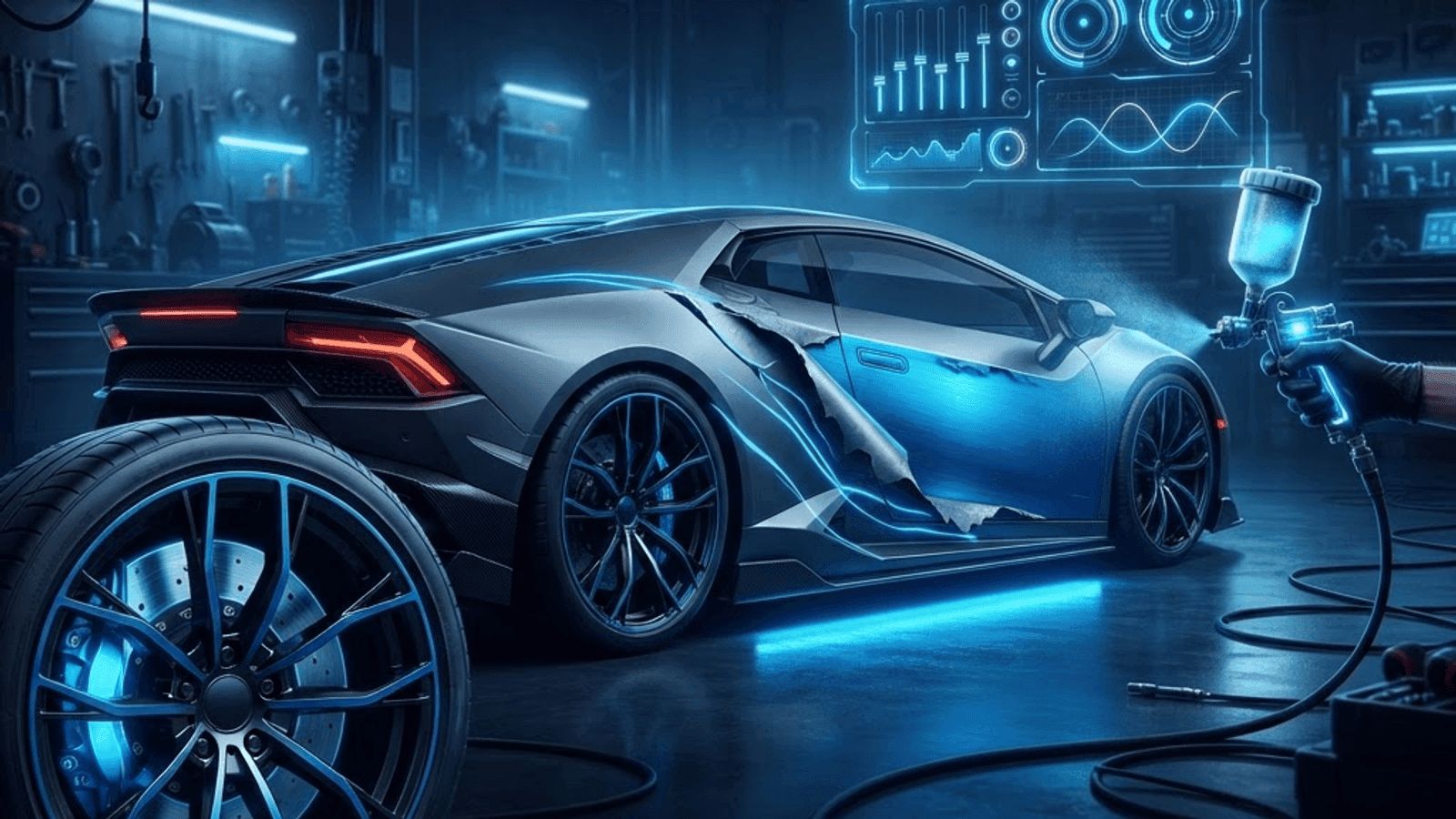
Vehicle wrapping and paint protection studios serving Sussex and Kent offer colour change wraps, satin and gloss finishes, chrome deletes, decorative graphics and paint protection film. Wrapping has become the preferred route to a dramatic change because it is reversible and protects original paint underneath.
Off-road and overland specialists serve a genuinely local need. Suspension lifts, all-terrain tyre and wheel packages, underbody protection, winches, roof tents, auxiliary lighting and snorkels are fitted to four-wheel drives used on farm tracks, forestry work and expedition travel.
Campervan and van conversion businesses have grown substantially, converting panel vans into camper and day-van layouts with insulation, furniture, leisure batteries, solar charging, heating and pop-top roofs. Quality operators handle electrical certification, gas safety and weight distribution properly, which distinguishes them from cheaper conversions.
Performance tuning and remapping specialists offer engine management calibration, exhaust and induction upgrades, brake improvements and suspension setup. The best work from rolling road data rather than generic files and are honest about warranty, emissions and insurance implications.
Alloy wheel refurbishment and custom wheel suppliers handle a high volume of work locally, since kerbing on narrow lanes and corrosion from winter salt damage wheels rapidly. Diamond cutting, powder coating and colour changes are common, alongside supply of larger or load-rated wheels for towing vehicles.
Car audio and in-vehicle technology installers upgrade head units, speakers, amplification, dash cameras, reversing cameras and connectivity retrofits. Demand for adding modern smartphone integration to older vehicles has been particularly strong, as owners keep cars longer.
Automotive upholstery and trim specialists retrim seats, replace headlinings, repair leather, fit custom stitching and manufacture load-bay linings. For classics, faithful period-correct retrimming is a specialist craft; for working vehicles, durable practical trim is the priority.
Towing and accessory fitting specialists install tow bars, electrics, dash cameras, roof racks, load liners, ply lining and commercial racking. Given the volume of trailers, horseboxes and caravans in Wealden, correct towing installation with proper electrical integration is significant work.
Motorcycle customisation and restoration workshops complete the list, building café racers, scramblers and bobbers, and restoring classic machines. With the district's strong riding culture, these workshops maintain steady enthusiast demand.
What Makes a Customisation Specialist Worth Choosing
Portfolio evidence is the clearest indicator. Ask to see completed work in person rather than photographs, ideally an example similar to your intended project, and speak to previous customers about timescales and communication as well as results.
Legality and compliance separate professionals from amateurs. Modifications must comply with construction and use requirements, lighting regulations, and MOT standards. Conversions require electrical and gas safety certification, structural changes may need engineering assessment, and insurers must be informed of modifications.
Preparation standards determine longevity. In bodywork and paint, the visible finish depends almost entirely on unseen preparation, rust treatment and priming. In electrical work, proper fusing, cable rating, loom routing and connector quality decide whether an installation lasts or causes intermittent faults years later.
Clear specification and pricing are essential. Good workshops provide written scope, staged costs, agreed change procedures and realistic timescales. Restoration in particular routinely reveals additional work, and honest operators explain and price this transparently rather than quietly escalating.
Trends in Vehicle Customisation
Restomodding has become the dominant premium trend, combining classic bodywork with modern brakes, suspension, cooling, fuel injection and comfort features, producing vehicles that look period-correct but are usable daily.
Electric conversions of classic vehicles have moved from curiosity to a small but growing market, and while divisive among purists, they attract owners who want to use older cars in low-emission zones without mechanical anxiety.
Overland and adventure preparation continues to grow strongly, with roof tents, auxiliary power systems, drawer systems and long-range fuel or water capacity fitted to touring four-wheel drives and vans.
Subtlety is increasingly fashionable. Rather than large visual statements, current taste favours factory-plus modifications: quality wheels, well-judged suspension, discreet lighting and interior upgrades that improve the vehicle without shouting.
Practical Advice Before Modifying
Declare modifications to your insurer before work begins and confirm cover in writing. Undeclared changes can void a policy entirely, which is a catastrophic risk on a vehicle carrying significant investment.
Prioritise safety systems before power. Brakes, tyres, suspension and lighting deliver more real-world benefit on Wealden's lanes than engine output, and they make a modified vehicle safer rather than merely faster.
Keep records of every modification, including certificates, parts specifications and invoices. This supports valuation, insurance claims and eventual resale, and demonstrates professional workmanship to future buyers.
Finally, plan the whole project before starting. Piecemeal modification produces mismatched results and duplicated labour cost, whereas a defined specification agreed with a capable workshop produces a coherent vehicle for less money overall.
Final Thoughts
Wealden's customisation scene spans meticulous classic restoration, practical off-road and towing preparation, high-quality van conversion, wrapping, trim, audio and performance work. The projects that turn out well are those built on a clear specification, a workshop with verifiable relevant experience, proper attention to legality and insurance, and preparation quality that outlasts the initial impression.
Want your brand featured in front of decision-makers? Publish a guest post or get a link insertion in our guides through AAMAX's guest post and link insertion service.
Helpful Links
 SponsoredAAMAX — Full-Service Digital Agency
Write for Us
Share your expertise with our readers. We welcome guest contributions from industry specialists.
Pitch your idea