Buses as the Backbone of Local Travel
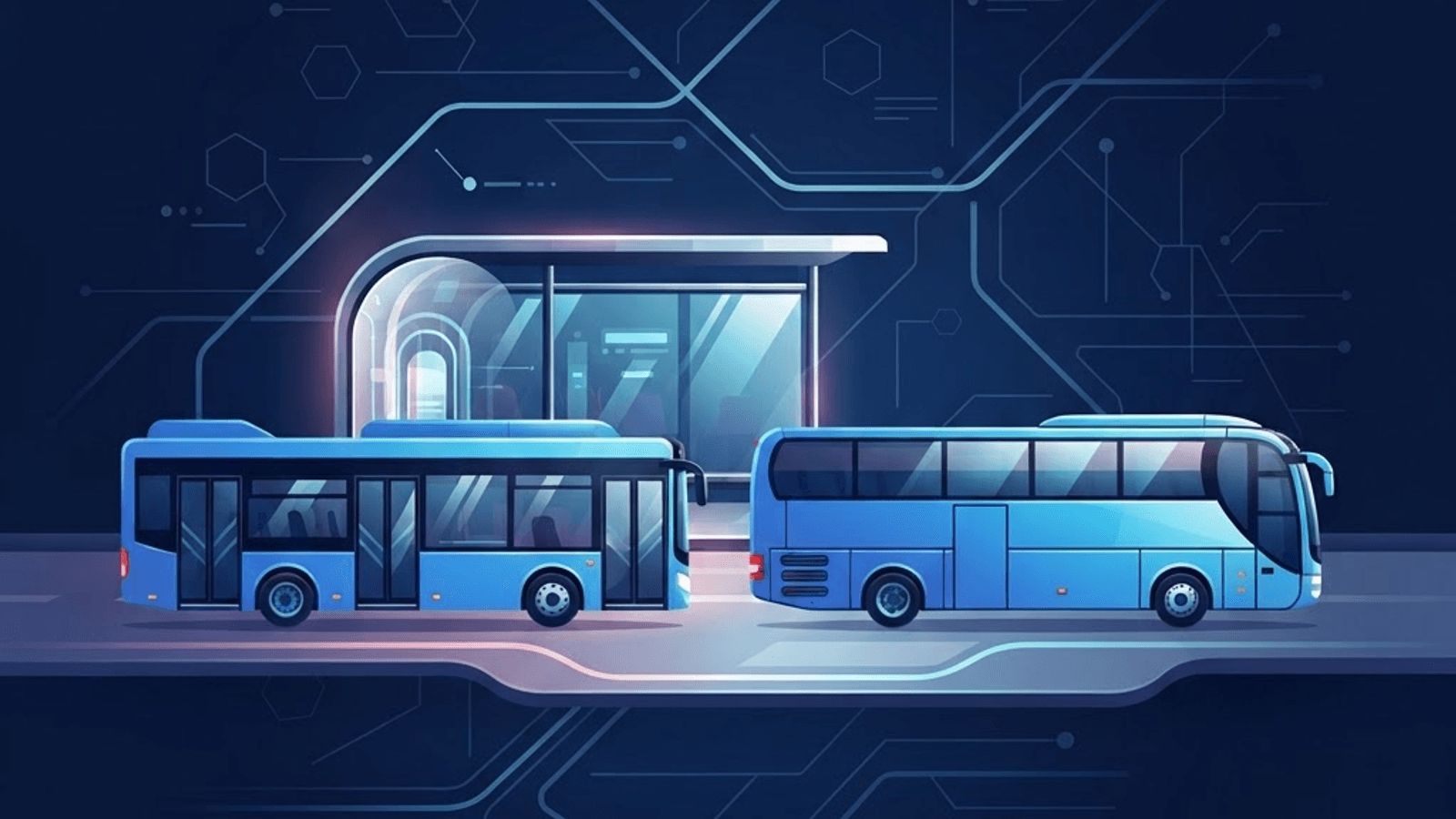
Slough sits at a genuinely important junction in the South East transport map. The town borders Buckinghamshire to the north, Windsor and Maidenhead to the west, and the London borough of Hillingdon to the east, with Heathrow Airport just beyond. That position means the local bus network is not simply a town service but a cross-boundary system connecting several distinct travel markets: commuters heading to the trading estate, airport workers on shift patterns, students travelling to college, shoppers moving between town centres and leisure travellers heading to Windsor and Legoland.
The town's compact geography works in the network's favour. Most residential areas including Cippenham, Langley, Chalvey, Britwell, Manor Park, Wexham and Colnbrook lie within a few miles of the centre, making frequent local services viable. The bus station adjacent to Slough railway station, with its distinctive modern design, acts as the interchange hub where local, regional and airport services converge.
Ten Leading Bus and Coach Operators
First Berkshire and The Thames Valley is the dominant local operator, running the majority of town services and key cross-boundary routes. Its network covers the connections most residents rely on daily, including services to Heathrow, Windsor, Maidenhead and the surrounding villages. Contactless payment, mobile ticketing and real-time tracking have become standard across the fleet, and the operator has invested steadily in newer, lower-emission vehicles.
Reading Buses extends services into the western Thames Valley, providing important links towards Reading and the corridor of business parks along the M4. For commuters working in Reading but living in the Slough area, these services offer a viable alternative to driving.
Arriva operates services in the surrounding counties and provides connections into Buckinghamshire and towards Uxbridge and the London fringe. Its regional network is particularly useful for journeys that cross local authority boundaries where a single town operator would not run.
Carousel Buses serves parts of south Buckinghamshire and the Chilterns fringe, linking villages and smaller towns into the wider network. Services of this type are essential for residents in less densely populated areas who would otherwise be dependent on a car.
Transport for London bus services reach into the eastern edge of the area, with routes serving Heathrow and Hillingdon that connect with Slough-area services. The interface between the London fare system and county services is one of the practical complexities passengers navigate, and understanding where one network ends and another begins can save money.
National Express provides the long-distance coach dimension. Services calling at Slough and nearby Heathrow connect the town to Birmingham, Bristol, Manchester, the South West and beyond. For travellers prioritising cost over speed, coach travel remains dramatically cheaper than the equivalent rail fare, and the Heathrow Central Bus Station is one of the busiest coach interchanges in the country.
Megabus competes in the same intercity space with an aggressively low-cost model. Advance booking is essential to secure the cheapest fares, and the service is popular with students and budget-conscious travellers heading to and from university cities.
Airport coach and shuttle operators run dedicated links between Heathrow terminals, local hotels and the surrounding towns. These services are timetabled around flight schedules rather than commuter peaks, which makes them valuable for passengers with early departures or late arrivals.
School and college transport providers operate a substantial network of dedicated services. Slough has a large secondary school population, including selective grammar schools that draw pupils from a wide catchment, so home-to-school transport is a significant undertaking involving both scheduled bus routes and contracted vehicles.
Private coach hire companies serving the Slough area complete the list. These operators supply vehicles for school trips, corporate events, weddings, sports fixtures and airport group transfers. The better firms hold appropriate operator licensing, maintain modern fleets with seatbelts and air conditioning, and can provide drivers for multi-day tours across the United Kingdom and Europe.
Ticketing, Fares and Practical Advice
The fares landscape has simplified considerably in recent years. Contactless card payment is accepted across most operators, with daily capping on many networks meaning passengers automatically pay no more than the best-value daily ticket regardless of how many journeys they make. Mobile apps allow advance purchase of weekly and monthly passes, usually at a meaningful discount to daily fares.
Passengers making regular cross-operator journeys should investigate multi-operator tickets, which allow travel on services run by different companies within a defined area. These are particularly valuable in a place like Slough where a single journey might reasonably involve two networks. Concessionary travel passes for older and disabled residents are administered by the local authority and are valid on most local services outside the morning peak.
For airport journeys, comparing the bus, rail and coach options is worthwhile. The bus is usually the cheapest, rail is the fastest, and the coach sits between the two on both measures. Luggage capacity is a practical differentiator that timetables do not show.
How the Network Is Changing
Several developments are reshaping bus travel in the area. Fleet electrification is accelerating, with battery electric buses entering service on urban routes and depot charging infrastructure expanding. This reduces emissions and noticeably improves the passenger experience through quieter, smoother rides.
Real-time information has become universal, with live tracking available through operator apps and at an increasing number of stops. This has a genuine effect on perceived reliability, because knowing a bus is four minutes away is far less frustrating than not knowing whether it is coming at all.
The opening of Elizabeth line services through Slough and Langley has also changed travel patterns, drawing some journeys onto rail while increasing the value of bus routes that feed the stations. Bus operators have responded by strengthening feeder services and coordinating timetables with train departures.
Finally, funding pressures across the industry remain a real constraint. Rural and evening services are the most vulnerable, and local authority support plays a decisive role in keeping socially necessary routes running. Passenger numbers directly influence which services survive, which makes regular use of the network the most effective form of support.
Final Thoughts
Slough's bus network is more extensive and more useful than many residents realise, connecting the town not just internally but to Heathrow, Windsor, Uxbridge, Reading and the national coach network. The operators listed above cover everything from a two-mile trip to the shops to a long-distance journey across the country. With contactless payment, daily fare capping and live tracking now standard, the practical barriers to using the bus are lower than they have ever been.
Want your brand featured in front of decision-makers? Publish a guest post or get a link insertion in our guides through AAMAX's guest post and link insertion service.
Helpful Links
 SponsoredAAMAX — Full-Service Digital Agency
Write for Us
Share your expertise with our readers. We welcome guest contributions from industry specialists.
Pitch your idea