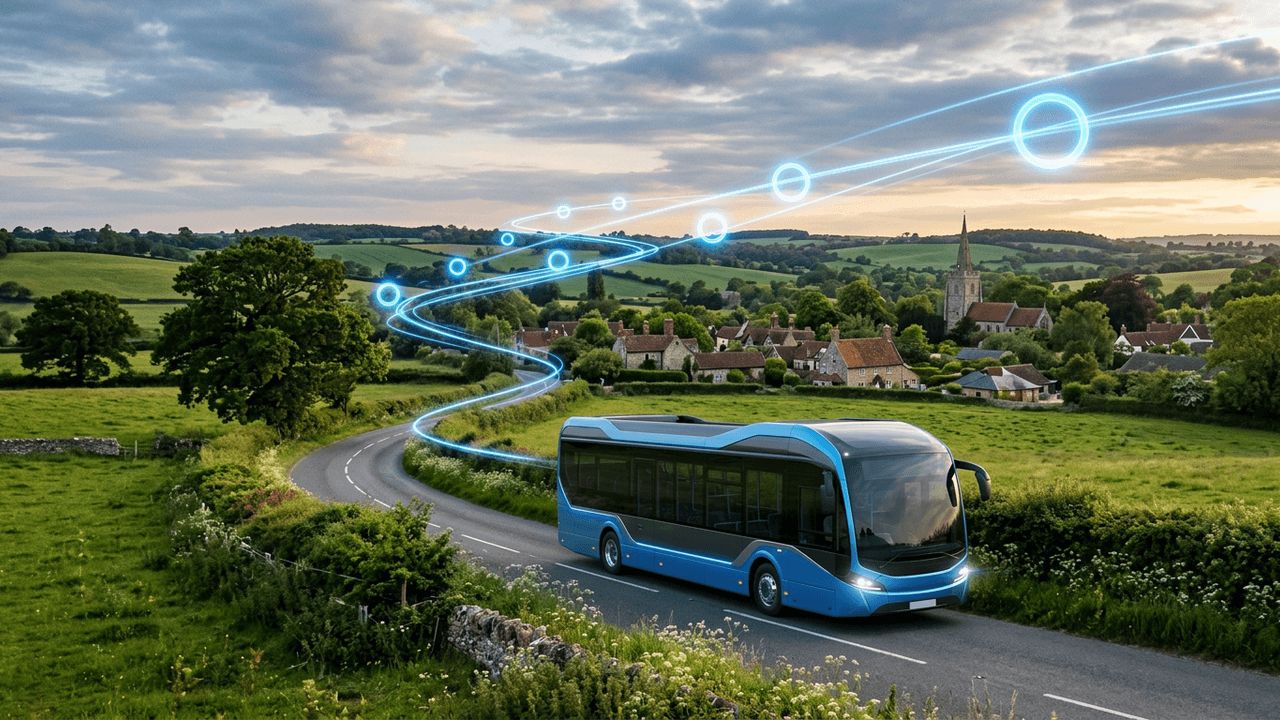
Public Transport in a Rural District
Mid Suffolk is one of the most rural districts in England, with a population spread across market towns and more than a hundred villages and parishes. Providing public transport in this setting is challenging, but a combination of commercial bus operators, council-supported routes and community transport schemes helps keep people connected. Buses link villages to Stowmarket, Needham Market, Eye and Debenham, and connect the district with larger centres such as Ipswich, Bury St Edmunds and Diss.
For many residents, particularly young people, older people and those without cars, buses are essential for getting to work, school, shops and medical appointments. Understanding who runs which services can make travel easier.
How Bus Services Are Organised
Suffolk County Council supports many rural routes and works with operators to maintain services. Community transport organisations fill important gaps with demand-responsive services, where passengers book journeys in advance. Coach operators also provide school transport, excursions and private hire.
The Top 10 Bus Companies Serving Mid Suffolk
1. Central Connect
Central Connect operates a number of routes in the Mid Suffolk area, including services linking Stowmarket with surrounding villages and towns. Its routes are an important part of the local network, helping residents reach shops, schools and railway stations.
2. Fareline Bus and Coach Services
Fareline operates several local bus routes in the district, including services connecting smaller communities with nearby towns. It also provides coach services for schools and private groups.
3. High Suffolk Community Transport
High Suffolk Community Transport runs local services and demand-responsive transport across the north of the district. Its services are particularly valuable for older and less mobile residents in villages with limited conventional bus routes.
4. Communities Together East Anglia
Communities Together East Anglia operates the Rural Connect service, a demand-responsive transport scheme that allows passengers to book journeys across rural areas. This flexible model helps connect villages that would be difficult to serve with fixed timetables.
5. Swift Taxi Cabs Mid Suffolk Taxi Bus
The Mid Suffolk Taxi Bus, operated by Swift Taxi Cabs, blends the flexibility of a taxi with the affordability of a bus. It is a good example of how innovative transport models are helping rural communities stay connected.
6. First Norfolk and Suffolk
First Norfolk and Suffolk is one of the largest bus operators in the region, running services in and around Ipswich and across East Anglia. Its network helps Mid Suffolk residents connect onwards to larger towns and cities.
7. Ipswich Buses
Ipswich Buses is a long-established, municipally owned operator serving Ipswich and surrounding areas. Its routes are useful for Mid Suffolk residents travelling into the county town for work, shopping and leisure.
8. Beestons
Beestons is a family-run operator providing bus services in other parts of Suffolk, along with coach hire and holidays. Its services can be useful for journeys to the south of the county.
9. Galloway Coach Travel
Galloway is a well-known Suffolk transport company providing coach hire, school contracts and excursions. Its long history in the county has made it a familiar name to many Mid Suffolk residents.
10. National Express
National Express operates long-distance coach services across the UK, including routes serving Ipswich and London Stansted Airport. It offers an affordable way for Mid Suffolk residents to reach airports and cities around the country.
Trends in Rural Bus Travel
Rural bus services across England are evolving. Demand-responsive transport is growing, allowing passengers to book journeys via apps or phone calls. Fare caps introduced in recent years have made bus travel more affordable, encouraging more people to leave their cars at home. Operators are also investing in cleaner vehicles, including low-emission and electric buses, particularly in urban areas such as Ipswich.
Real-time information is improving as well, with more operators providing live tracking through apps and journey planners. This makes it easier for passengers in rural areas to plan connections and avoid long waits.
Tips for Travelling by Bus in Mid Suffolk
Check timetables carefully, as some rural routes operate only on certain days or at limited times. Plan connections with trains at Stowmarket and Needham Market stations, and book demand-responsive services in advance. Older and disabled residents may be eligible for concessionary bus passes, which offer free off-peak travel.
The Future of Bus Travel in the District
As new housing developments grow around Stowmarket, Thurston and other key centres, demand for bus services is expected to increase. Continued investment in community transport, flexible services and better integration with rail will be crucial in ensuring that all Mid Suffolk residents can access jobs, education and services.
Frequently Asked Questions
How do demand-responsive buses work?
Passengers book a journey in advance by phone or app, and the vehicle picks them up from an agreed point within its service area. This flexible approach suits villages where regular timetabled buses are not viable.
Can I combine bus and rail travel?
Yes. Several routes serve Stowmarket and Needham Market stations, making it possible to connect with trains to London, Norwich, Ipswich and Cambridge.
Final Thoughts
From commercial operators and council-supported routes to community transport schemes, Mid Suffolk's buses are a vital lifeline. The ten operators above work together to keep the district connected, helping residents and visitors travel sustainably across this beautiful rural area.
Want your brand featured in front of decision-makers? Publish a guest post or get a link insertion in our guides through AAMAX's guest post and link insertion service.
Helpful Links
 SponsoredAAMAX — Full-Service Digital Agency
Write for Us
Share your expertise with our readers. We welcome guest contributions from industry specialists.
Pitch your idea