Why Bus and Coach Travel Matters in Luton
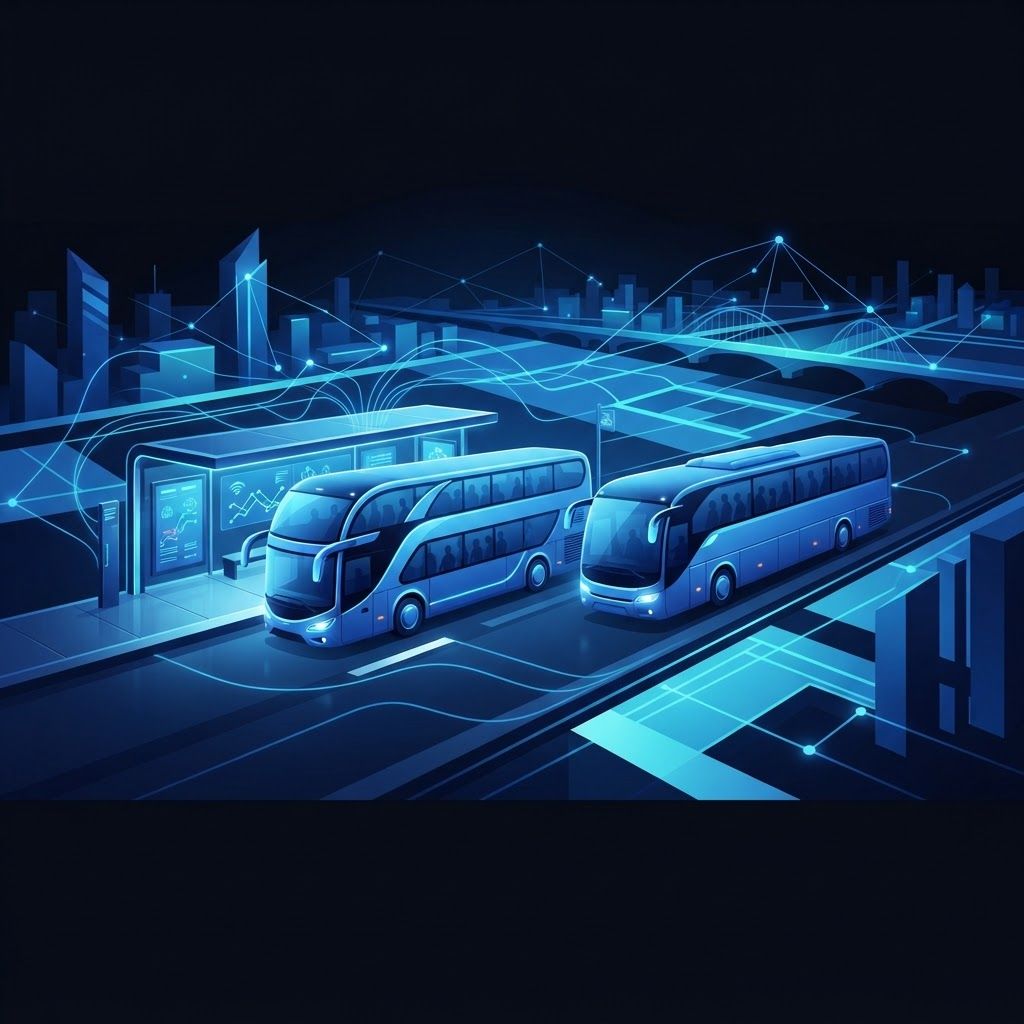
Bus and coach services are central to how Luton functions. The town has a dense residential layout, a large workforce travelling to distribution centres, retail parks and the airport, a significant student population and a busy hospital, all of which generate high volumes of local journeys. Beyond the town boundary, long-distance coaches connect Luton directly with London, regional cities and airports, providing an affordable alternative to rail and driving.
The town also has an unusual piece of transport heritage in its guided busway, a dedicated route built on a former railway alignment that allows buses to bypass road congestion. Combined with the dedicated airport rail link and extensive local networks, Luton's public transport options are stronger than many comparable towns.
1. Arriva
Arriva operates extensive local bus networks in Bedfordshire and surrounding counties, covering town routes, inter-urban links and connections to neighbouring towns. Its strengths are network coverage, frequent services on core corridors, contactless payment, mobile ticketing and real-time information through its app. For daily commuting within and around Luton, it is typically the primary operator.
2. Stagecoach
Stagecoach runs services across the wider region, including inter-urban routes that connect Luton with surrounding market towns and employment sites. The operator is known for straightforward multi-journey and weekly ticketing, well-maintained fleets and clear route branding. Its regional network is useful for passengers travelling beyond immediate local boundaries.
3. Grant Palmer
Grant Palmer is a well-regarded independent Bedfordshire operator providing local bus services, school transport and contracted routes. Independent operators of this type often serve communities that larger companies do not, and their local knowledge and responsiveness are valued by passengers in villages and outlying areas around Luton.
4. Centrebus
Centrebus operates local and inter-urban services in the region, including routes serving Luton and neighbouring towns. Its role is particularly important in linking residential areas with employment sites, hospitals and town centres on routes that require reliable frequency rather than high capacity.
5. National Express
National Express is the dominant long-distance coach operator in the country and serves Luton with connections to London, regional cities and other airports. Its advantages include an extensive network, reserved seating, luggage allowance and airport-to-airport services that are genuinely useful for connecting travellers. Advance booking secures substantially lower fares.
6. Green Line and London Coach Services
Dedicated coach services linking Luton and its airport with central London provide a frequent, affordable alternative to rail, running through the night as well as during the day. For airport passengers arriving on late flights or departing very early, these services fill gaps in the rail timetable and are often the cheapest option available.
7. FlixBus
FlixBus offers low-cost long-distance coach travel across Britain and into Europe, with app-based booking, onboard connectivity and power sockets. Its pricing model rewards early booking, and its European network makes it a practical option for travellers combining coach and ferry or coach and rail journeys. Comfort standards on modern coaches are considerably better than the sector's historic reputation suggests.
8. Megabus
Megabus competes primarily on price for inter-city journeys, with fares that can be exceptionally low when booked well in advance. It suits flexible travellers prioritising cost over journey time, particularly students and those travelling with minimal luggage. Passengers should account for longer journey durations compared with rail.
9. Coach Hire and Private Charter Operators
Local coach hire companies provide vehicles with drivers for school trips, corporate transport, weddings, sports fixtures, airport group transfers and day excursions. Vehicle sizes typically range from small minibuses to full-size executive coaches. Customers should confirm operator licensing, driver hours compliance and insurance, and specify luggage and accessibility requirements at the quotation stage.
10. Community and Accessible Transport Schemes
Community transport organisations operate dial-a-ride style services, accessible minibuses and volunteer car schemes for passengers unable to use conventional buses. These services are essential for hospital appointments, shopping trips and social inclusion among older and disabled residents. Registration is usually required in advance, and journeys are booked rather than turn-up-and-go.
Using the Network Effectively
Plan with live information rather than printed timetables. Operator apps and journey planners show real-time positions, which is particularly valuable during peak congestion or bad weather. For airport journeys, always build in contingency time, since road conditions on the M1 corridor can vary considerably.
Choose the right ticket. Day, weekly and monthly passes usually deliver significant savings over single fares for anyone making more than a couple of journeys a day, and contactless capping on some services means the correct fare is applied automatically. Students, young people and older residents should check eligibility for discounted or concessionary travel, which can reduce costs substantially.
Long-Distance Coach Travel Practicalities
Book coaches early for the lowest fares, as pricing rises steeply closer to departure on popular routes. Confirm the departure point precisely, since coach stops are not always at the main bus interchange, and arrive with time to spare because coaches depart on schedule and do not wait.
Check luggage allowances before travelling, particularly for airport journeys with hold bags and sports equipment. For overnight or long journeys, note whether the service includes comfort stops and onboard facilities, and take water and any required medication in your hand luggage rather than the hold.
Trends Shaping Bus Travel in the Area
Fleet electrification is the most visible change, with electric and low-emission buses progressively replacing older diesel vehicles, improving air quality and reducing noise on residential routes. Ticketing has also modernised rapidly, with contactless payment, capped fares and app-based passes now standard across most operators.
Real-time information and better interchange between bus, coach and rail continue to improve, supported by the dedicated airport rail link and the guided busway. At the same time, network stability depends on patronage and funding, and services in less busy areas remain vulnerable to revision. For residents and visitors, the practical advice is to check current timetables directly rather than relying on previous experience, as routes and frequencies are reviewed regularly.
Want your brand featured in front of decision-makers? Publish a guest post or get a link insertion in our guides through AAMAX's guest post and link insertion service.
Helpful Links
 SponsoredAAMAX — Full-Service Digital Agency
Write for Us
Share your expertise with our readers. We welcome guest contributions from industry specialists.
Pitch your idea