The Beauty Scene in South Norfolk
South Norfolk beauty businesses have grown considerably over the past decade, driven by a resident population that values convenience, a strong wedding and events market, and an increasing appetite for skin health rather than simple pampering. Salons cluster in Wymondham, Diss, Harleston, Loddon, Long Stratton and Poringland, with additional provision in converted farm buildings, garden studios and mobile services reaching outlying villages.
The character of the market is distinctive. Because communities are small and reputation travels quickly, longevity is a meaningful signal of quality. Salons here rely heavily on repeat clients and personal recommendation, which tends to reward consistency, hygiene and honest advice over aggressive promotion.
Ten Standout Beauty Salons and Studios
1. Established Full-Service Town Centre Salons
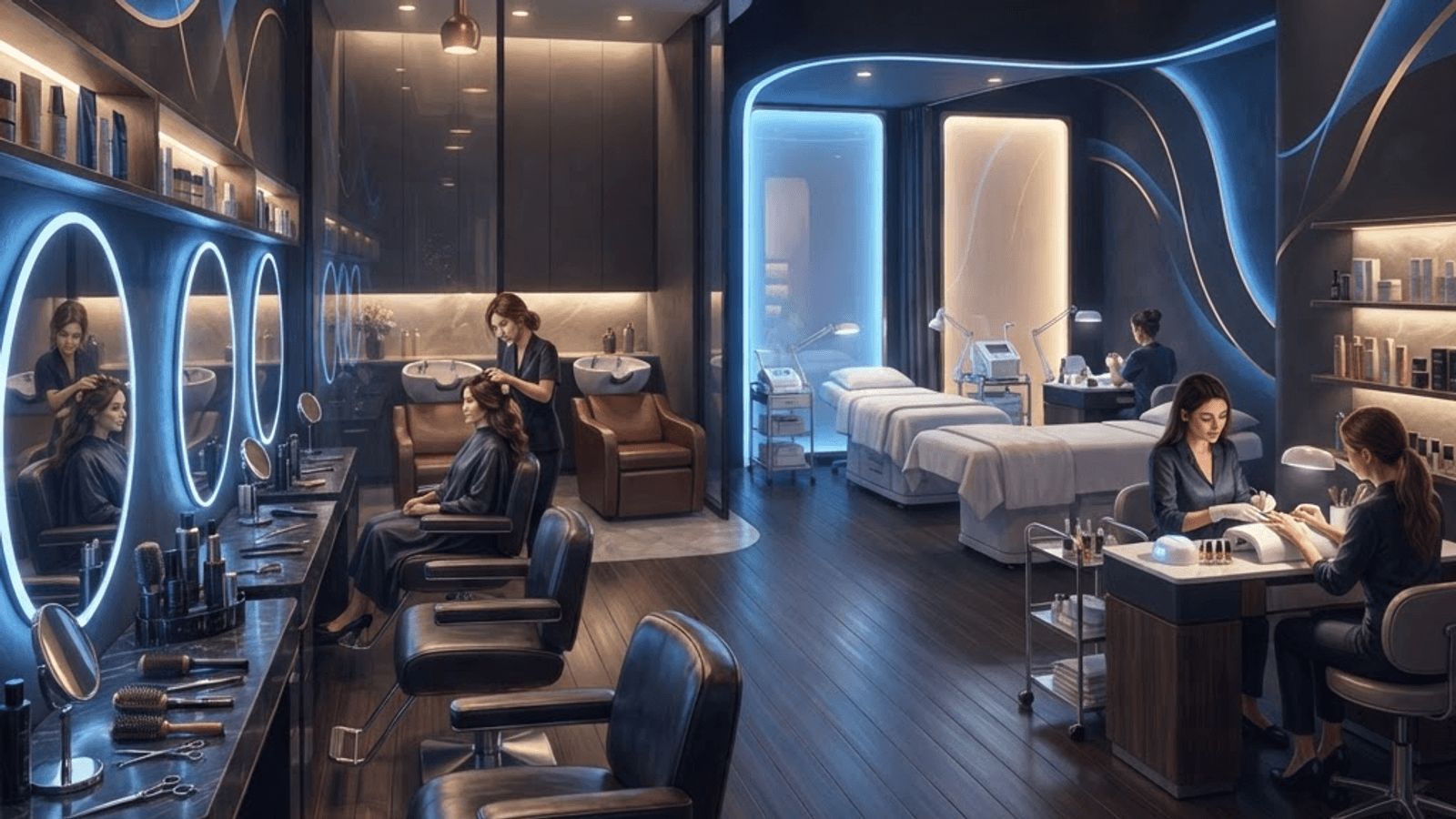
The district anchor salons offer hair, nails, facials, waxing, lashes and massage under one roof. Their strength is breadth: a client can book a colour appointment, a facial and a manicure in a single visit. These businesses typically employ multiple qualified therapists, maintain formal training schedules and hold professional insurance and local authority registration for treatments that require it.
2. Advanced Skin and Aesthetics Clinics
A growing number of clinics focus specifically on skin, offering chemical peels, microneedling, LED therapy, dermaplaning and medical-grade skincare programmes. Practitioners in this category usually hold advanced qualifications and conduct proper consultations with skin analysis, patch testing and realistic outcome discussions. For clients addressing acne, pigmentation, rosacea or ageing concerns, this evidence-led approach delivers far better results than generic facials.
3. Specialist Nail Studios
Dedicated nail bars have raised standards significantly, with gel, builder gel, hard gel and structured manicure techniques replacing older acrylic work. The best studios emphasise nail health, careful preparation, correct removal and strict sterilisation, which prevents the thinning and damage that poor application causes.
4. Lash and Brow Specialists
Lash extensions, lash lifts, brow lamination, tinting and precision shaping have become significant categories in their own right. Specialists who focus exclusively on the eye area develop refined mapping skills and better retention, and they are generally more rigorous about adhesive safety and isolation technique than generalist salons.
5. Bridal and Occasion Beauty Teams
Given the popularity of South Norfolk barn and country house wedding venues, bridal beauty is a substantial market. Leading providers offer trials, timed schedules for wedding morning preparation, travel to venue, and coordinated teams covering hair and makeup for larger bridal parties. Reliability and punctuality matter enormously in this niche.
6. Holistic and Wellbeing Therapy Studios
Massage therapy, aromatherapy, reflexology, Indian head massage and hot stone treatments serve clients seeking relief from stress, muscular tension and poor sleep. Many practitioners in this category work from tranquil rural settings, which contributes meaningfully to the experience.
7. Mobile Beauty Therapists
Mobile provision is particularly valuable in a dispersed rural district. Therapists travel to homes across the villages, serving new parents, older clients, those without transport and anyone who prefers treatment in familiar surroundings. Good mobile practitioners carry professional equipment, maintain the same hygiene standards as a fixed salon and hold appropriate insurance.
8. Hair and Beauty Training Salons
Colleges and academy salons offer supervised treatments at reduced prices while students complete qualifications. Standards are maintained by qualified assessors, and the extended appointment times often mean unusually thorough service. This route also strengthens the local talent pipeline.
9. Barbering and Male Grooming Studios
Male grooming has expanded well beyond haircuts to include beard sculpting, hot towel shaves, facials, brow tidying and scalp treatments. Modern barbershops in the district have become social spaces as much as service providers, with strong loyalty among regular clients.
10. Boutique Home Studio Salons
Independent therapists operating from purpose-built garden rooms and converted outbuildings offer a private, unhurried alternative to busy high street salons. Because overheads are lower, pricing is often competitive, and clients typically see the same practitioner every visit, which supports better long-term treatment planning.
How to Judge Salon Quality
Qualifications and insurance come first. Reputable therapists display recognised beauty therapy certifications and hold professional indemnity cover. Treatments involving skin penetration, including microneedling and semi-permanent makeup, require local authority registration, and any practitioner performing them should be able to confirm that readily.
Hygiene practice is the clearest visible indicator. Look for single-use items where appropriate, sealed sterilisation pouches for metal tools, clean workstations, fresh linens between clients and thorough hand hygiene. A salon that is meticulous about these details is usually meticulous about everything else.
Consultation quality is the third marker. A skilled therapist asks about medical history, medication, allergies, previous reactions and skincare routine before recommending treatment. Practitioners who promise dramatic results without assessment, or who discourage patch testing, should be avoided.
Trends Shaping Beauty Services
Skin health has overtaken cosmetic camouflage as the dominant theme. Clients increasingly want treatment plans, active ingredients such as retinoids, vitamin C and acids used correctly, and homecare guidance that supports in-salon work. Salons that educate rather than simply sell are gaining market share.
Sustainability is also influencing purchasing. Refillable products, reduced single-use plastic, waterless formulations and cruelty-free ranges are now common requests. Meanwhile, technology has changed booking behaviour, with online scheduling, deposit systems and automated reminders reducing missed appointments and helping small businesses manage capacity.
Inclusivity has improved as well, with better provision for textured hair, wider foundation ranges, treatments adapted for sensitive and darker skin tones, and services designed for clients undergoing medical treatment.
Getting the Most from Your Appointment
Arrive with clean skin and realistic expectations, and be candid about your routine and any reactions you have experienced. Ask what results are achievable in a single session versus a course, since many skin and lash treatments depend on cumulative progress. Follow aftercare instructions carefully; much of the outcome is determined in the days following treatment rather than during it.
Where a course of advanced treatment is proposed, request a written plan with expected outcomes, session intervals and total cost. Professional clinics provide this willingly.
Final Thoughts
South Norfolk offers a genuinely strong range of beauty provision, from advanced skin clinics and specialist lash studios to mobile therapists reaching the most remote villages. The common thread among the best providers is professionalism: proper qualifications, rigorous hygiene, honest consultation and consistent results. Choosing on those criteria rather than on price alone almost always produces a better experience.
Want your brand featured in front of decision-makers? Publish a guest post or get a link insertion in our guides through AAMAX's guest post and link insertion service.
Helpful Links
 SponsoredAAMAX — Full-Service Digital Agency
Write for Us
Share your expertise with our readers. We welcome guest contributions from industry specialists.
Pitch your idea