Supplying a Busy Beauty and Wellness Sector
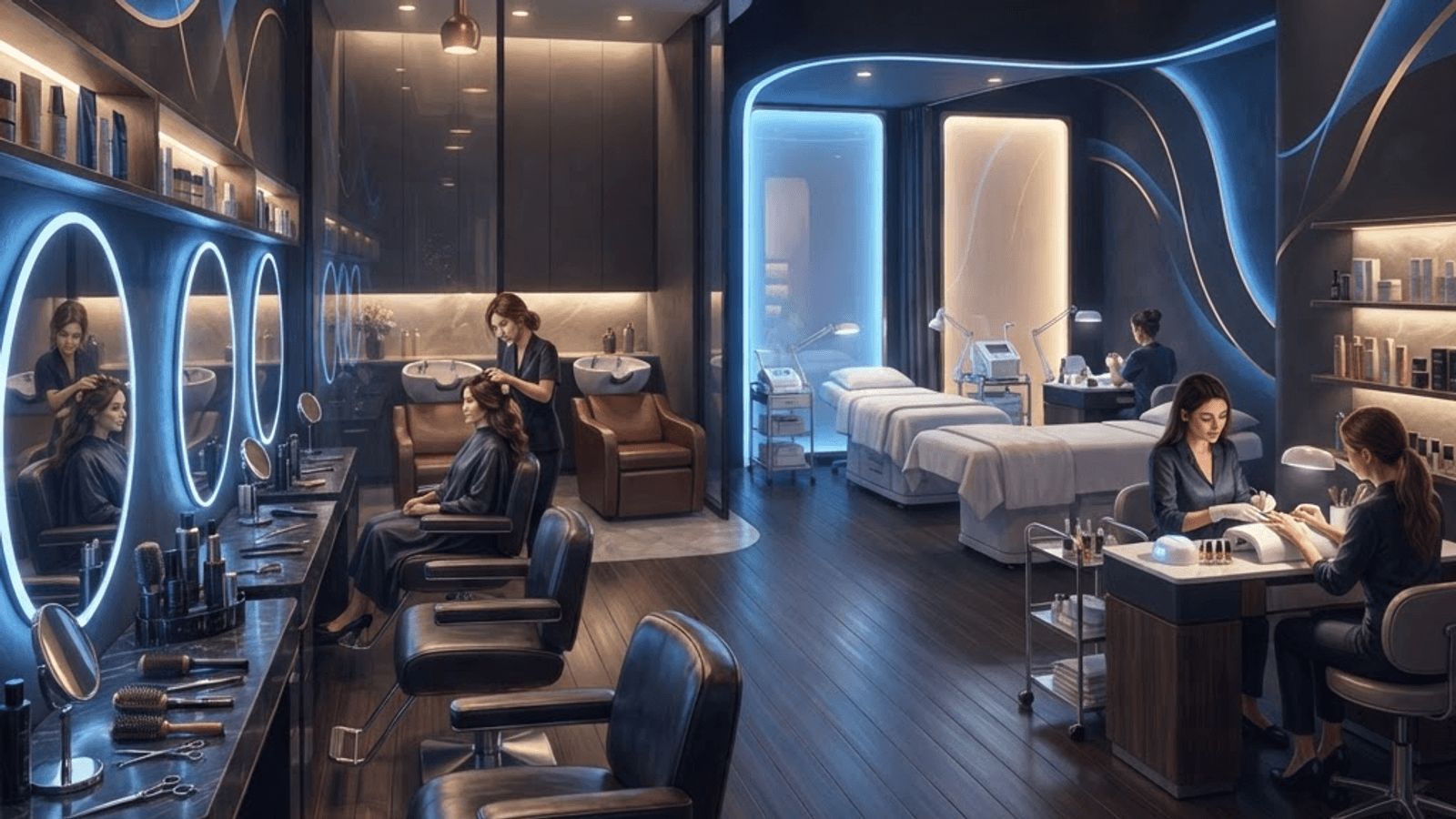
St Albans supports a notably dense beauty and wellness economy. Walk through the city centre and the surrounding neighbourhoods of Marshalswick, Fleetville and St Peters Street and you will find hair salons, nail bars, aesthetic clinics, beauty rooms, barbers, spas and independent therapists operating from both commercial premises and home studios. The district's demographics explain the concentration: relatively high disposable income, a professional population that treats grooming as routine maintenance, and proximity to London standards of service expectation without London pricing in every case.
Every one of those businesses depends on wholesale supply for professional-grade products unavailable through retail channels. Professional beauty distribution is a genuinely regulated field, quite different from general retail wholesale. Many products are restricted to qualified practitioners, cosmetic products carry legal safety and labelling obligations, and some treatments require prescriber involvement. Understanding those boundaries is essential for anyone buying at trade level.
How Professional Beauty Distribution Works
Professional haircare distributors supply colour systems, developers, lighteners, treatments and styling products to salons, typically alongside education programmes. Colour is technically demanding, and the training a distributor provides on formulation and correction is often as valuable as the product itself.
Skincare and facial product distributors supply professional treatment ranges, active ingredient formulations, peels and retail take-home products. Many brands operate selective distribution, requiring practitioners to hold specific qualifications before they can purchase, which protects both client safety and brand reputation.
Nail product distributors provide gel and acrylic systems, base and top coats, colour ranges, electric files, dust extraction and sanitising supplies. Product chemistry compatibility matters greatly here, since mixing systems from different manufacturers frequently causes lifting and service breakdown.
Aesthetic and medical distributors supply injectables, medical devices, laser and energy-based equipment and post-procedure products. Access is properly restricted to appropriately qualified and registered practitioners, and prescription-only products require legitimate prescribing pathways.
Equipment and consumables suppliers complete the sector, providing treatment couches, trolleys, sterilisation equipment, towels, disposables, gloves and cleaning products that keep premises compliant with hygiene standards.
Ten Notable Beauty Product Wholesalers and Distributors
1. Salons Direct is a major trade supplier covering haircare, beauty, nails, equipment and consumables in one account, valued for breadth and the convenience of consolidated ordering.
2. Sweet Squared distributes professional nail and beauty brands with a strong emphasis on education, product integrity and supporting practitioners through technical training rather than simply selling stock.
3. Capital Hair and Beauty supplies salon professionals with an extensive range of haircare, colour, tools and sundries, combining trade counters with delivery for flexible purchasing.
4. Ellisons is a long-established professional beauty wholesaler offering skincare, equipment, furniture and consumables, widely used by therapists setting up new treatment rooms.
5. Dermalogica operates professional skincare distribution with mandatory practitioner education, building its reputation on skin health expertise and treatment protocol training.
6. Environ and comparable professional skincare brands supply active vitamin-based formulations through trained practitioners, with distribution deliberately restricted to protect correct usage.
7. Wella Professionals provides salon colour and care systems with technical education and colour management support that underpins salon service consistency.
8. L'Oreal Professionnel similarly distributes salon-exclusive colour and treatment ranges through professional channels, backed by extensive stylist training academies.
9. Church Pharmacy and aesthetic distributors supply regulated aesthetic products and devices to qualified medical and advanced practitioners under appropriate prescribing and registration controls.
10. Independent regional beauty wholesalers serving Hertfordshire offer personal account management, flexible minimum orders and local delivery, which suits home-based therapists and small salons that cannot meet large national minimums.
Trends in the Beauty Supply Market
Ingredient transparency has become a powerful commercial force. Clients research actives, question preservative systems and expect clear information on concentrations and suitability. Practitioners consequently favour brands providing genuine formulation data rather than vague marketing claims.
Sustainability pressure is reshaping packaging and formulation, with refillable containers, reduced secondary packaging, waterless concentrates and salon recycling schemes for foils, colour tubes and hair clippings gaining real traction. Microplastic restrictions have also driven reformulation of exfoliants and glitter products.
Regulatory attention to aesthetic treatments continues to tighten, with growing focus on practitioner qualification, premises standards and prescribing governance. Distributors enforcing verification requirements protect both clients and legitimate practitioners from an unregulated fringe.
Professional-to-retail integration has grown significantly, with salons and clinics generating meaningful revenue from home-care product sales. Distributors supporting this with retail display, staff training and sensible margin structures help practitioners build a second income stream from existing clients.
How to Choose a Beauty Wholesaler
Verify authorised distribution status for any professional brand. Products purchased through unauthorised grey channels may be counterfeit, expired, decanted or improperly stored, and using them on clients creates genuine safety and insurance exposure. Authorised distributors provide batch traceability and manufacturer support.
Assess education and technical support seriously, as this is where professional distributors differ most from general wholesalers. Ask what training is included, whether technical helplines exist, and how colour or formulation problems are supported. For a salon, that backup has direct commercial value.
Confirm regulatory compliance documentation, including cosmetic product safety reports where relevant, ingredient declarations, and proof of practitioner qualification requirements. For any device or injectable product, confirm the distributor's verification procedures rather than treating easy access as convenience.
Consider practical account terms including minimum order values, delivery frequency, cold chain handling where needed, shelf life on delivery and returns policy on unopened stock. Beauty products have finite shelf lives, so over-ordering to reach a discount threshold often wastes money.
Finally, check whether the distributor sells directly to consumers in your area, since a supplier competing with its own salon customers undermines your retail margin.
Final Thoughts
Beauty product wholesalers serving St Albans support a sophisticated and busy sector where product quality, practitioner education and regulatory compliance genuinely determine client outcomes. Choosing authorised distributors with strong technical support protects your clients, your insurance position and your professional reputation, and in this industry those protections matter far more than a modest saving on unit price.
Want your brand featured in front of decision-makers? Publish a guest post or get a link insertion in our guides through AAMAX's guest post and link insertion service.
Helpful Links
 SponsoredAAMAX — Full-Service Digital Agency
Write for Us
Share your expertise with our readers. We welcome guest contributions from industry specialists.
Pitch your idea