Why Stroud Is a Serious Baking Town
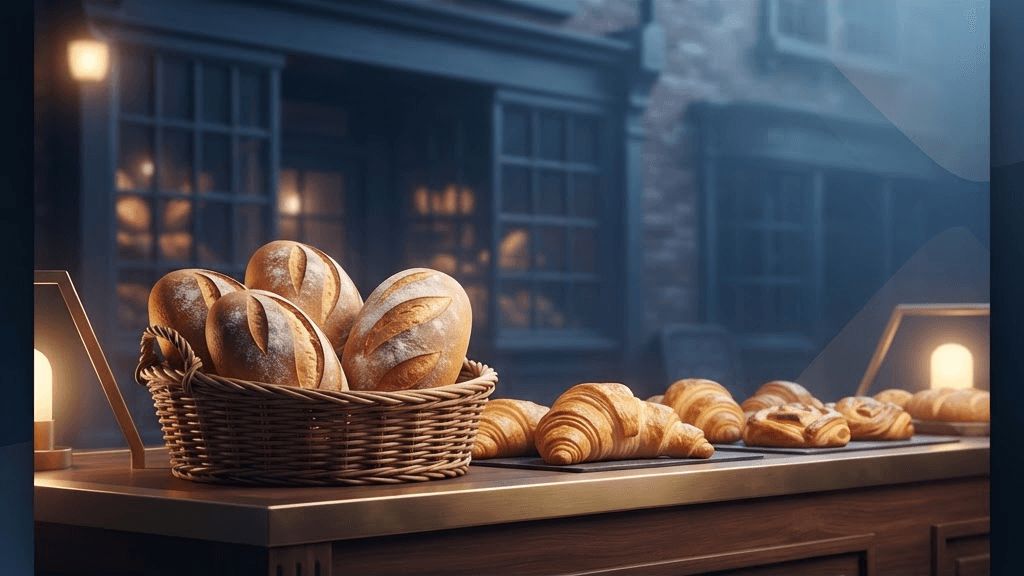
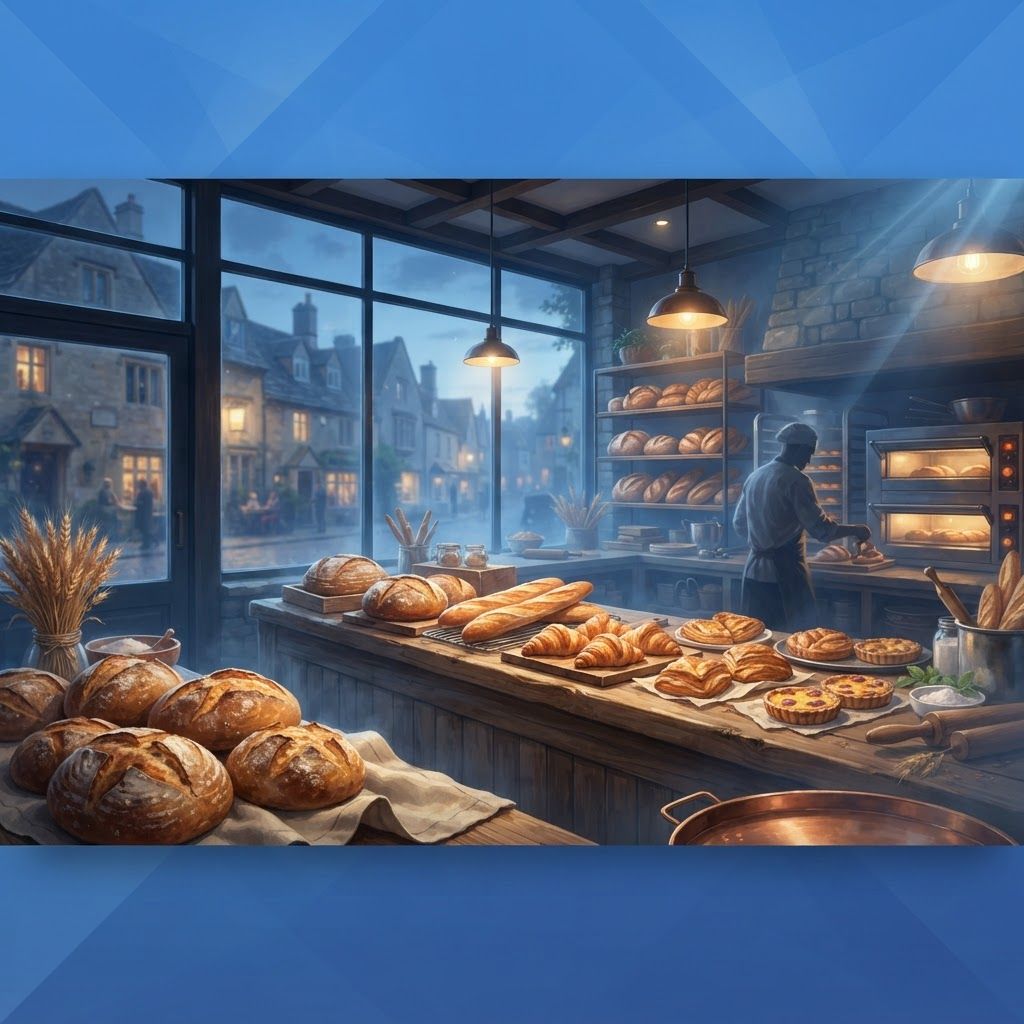
Few market towns in Britain can match Stroud for the quality and variety of its bread. The town's celebrated farmers' market, one of the first of its kind in the country, created an early market for genuinely artisan produce and set expectations that local bakers have been meeting ever since. Add a strong organic food culture, several working mills within reach of the Cotswold escarpment, and a population that cares where its food comes from, and you have ideal conditions for craft baking.
The results are visible every weekend. Queues form for loaves that were mixed by hand the previous afternoon and proved slowly overnight. Sourdough dominates, but the district also produces excellent laminated pastry, traditional English baking and a growing range of gluten-free and vegan options.
What Distinguishes an Excellent Bakery
Time is the first marker of quality. Long fermentation, often eighteen hours or more, develops flavour and makes bread more digestible. Second is flour: the best bakeries use stoneground, often organic and frequently regionally milled, retaining more of the grain's character than industrial white flour.
Third is restraint. Good bakers keep ingredient lists short, avoiding improvers and additives. Finally, there is craft: the ability to read a dough on a humid August morning and adjust accordingly is knowledge that cannot be automated, and it shows in the crumb.
The Top 10 Bakeries in Stroud
1. Five Valleys Bakehouse. A benchmark for the district, this bakery produces long-fermented sourdough with a dark, blistered crust and open crumb. Its rye and seeded loaves have a devoted following, and the seasonal fruit pastries sell out early on market days.
2. Stroudwater Sourdough. Committed to organic, regionally milled flour and a small, carefully edited range, Stroudwater Sourdough is the choice for purists. Everything is made by hand in small batches, and the country loaf is widely considered among the best in Gloucestershire.
3. Rodborough Common Bakery. Known for combining traditional English baking with contemporary technique, this bakery excels at enriched doughs, hot cross buns, lardy cake and seasonal specialities alongside its everyday loaves.
4. Cotswold Grain Bakery. Operating close to the heritage grain movement, Cotswold Grain Bakery works with older wheat varieties and spelt, producing distinctive, nutty breads that appeal to customers seeking both flavour and digestibility.
5. Thrupp Mill Patisserie. The strongest pastry offer in the district. Croissants, pain au chocolat and seasonal tarts are laminated with proper butter and baked through to a deep amber, and the cake counter is equally accomplished.
6. Severn Vale Bread Company. A larger operation supplying cafés and farm shops across the district as well as selling direct, balancing consistency and scale with genuinely traditional methods.
7. Painswick Road Bakery. A neighbourhood favourite offering excellent everyday bread, generous sandwiches and savoury pastries, popular with commuters and school runs alike.
8. Chalford Valley Bakes. Specialising in gluten-free and allergen-aware baking, this bakery operates a dedicated production space and has become an important resource for customers with coeliac disease and other dietary requirements.
9. Nailsworth Artisan Bakehouse. Just along the valley, this bakery is known for wood-fired loaves and a rotating selection of focaccia and flatbreads that have become a market staple.
10. Minchinhampton Village Bakery. Rounding out the list, a traditional village bakery producing reliable, well-made bread, pies and classic cakes, valued as much for its community role as its baking.
Trends in the Local Baking Scene
Heritage and regenerative grain is the most significant current movement. Bakers are building direct relationships with growers and millers, sourcing wheat varieties chosen for flavour and soil health rather than industrial yield. Several local bakeries now name the farm on the label.
Waste reduction is another strong theme. Pre-order systems, day-old bread schemes, breadcrumb and crouton production, and collaborations with local breweries that use surplus loaves all reflect a district-wide commitment to using everything.
Inclusivity has also improved markedly. Gluten-free baking in particular has moved far beyond the dense, disappointing loaves of a decade ago, with dedicated facilities and better technique producing genuinely enjoyable results.
Getting the Best From Stroud's Bakeries
Arrive early, especially on market mornings, as the best lines sell out quickly. Many bakeries operate pre-order systems that guarantee your loaf and help them plan production, which is worth using for special occasions.
Store bread properly: cut side down on a board, in a paper bag or a cloth, never in plastic, which softens the crust. Sourdough freezes exceptionally well if sliced first. And do not overlook day-old bread, which makes superior toast, bruschetta and bread pudding at a lower price.
Final Thoughts
Stroud's bakeries offer an unusually high standard for a town of its size, sustained by knowledgeable customers and a genuine connection to local agriculture. Whether you want a dark, sour country loaf, a properly laminated croissant or a dependable gluten-free option, the district's bakers deliver craft baking at its best.
Want your brand featured in front of decision-makers? Publish a guest post or get a link insertion in our guides through AAMAX's guest post and link insertion service.
Helpful Links
 SponsoredAAMAX — Full-Service Digital Agency
Write for Us
Share your expertise with our readers. We welcome guest contributions from industry specialists.
Pitch your idea