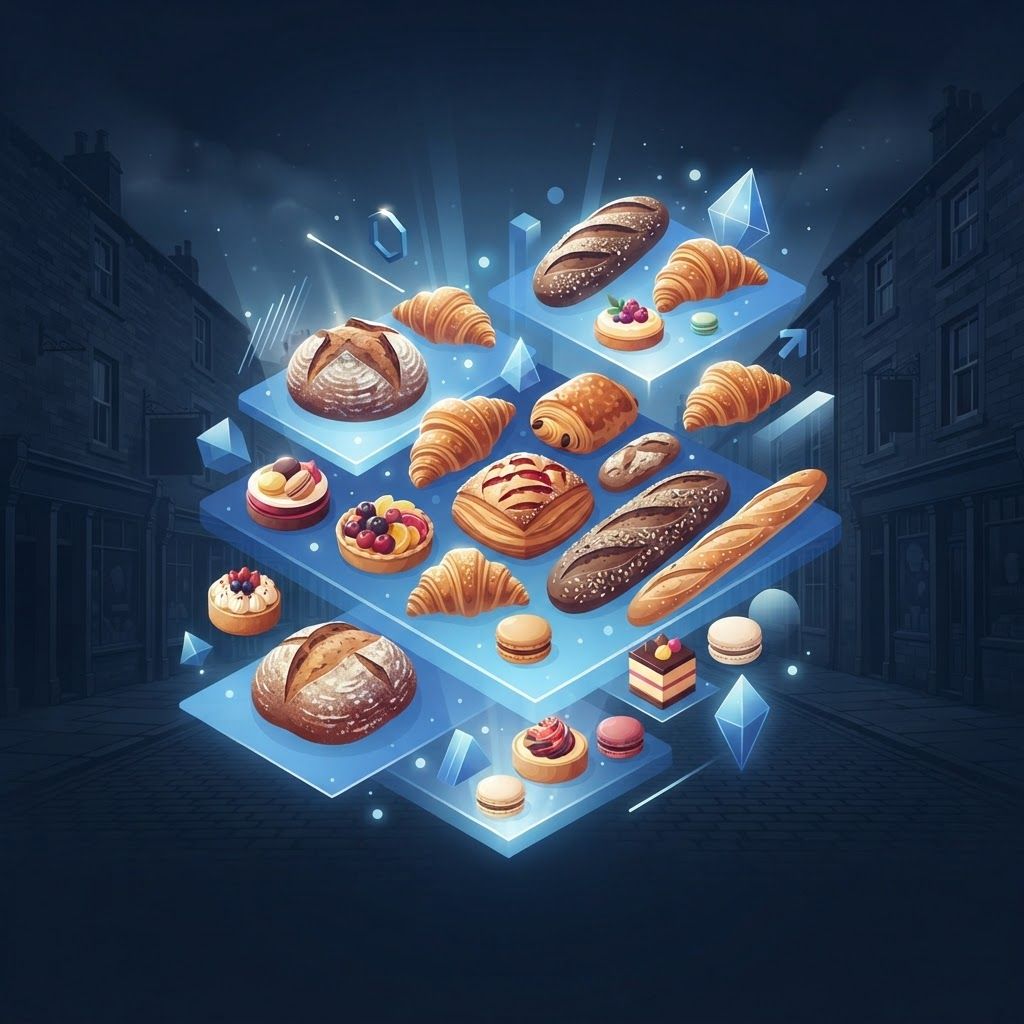
A Town That Takes Its Bread Seriously
Baking occupies a particular place in the culture of northern English towns, and St. Helens is no exception. The traditional bakery has long been a fixture of local high streets and neighbourhood parades, supplying the daily loaf, the morning pastry, the pie at lunchtime and the celebration cake that marks family milestones. What has changed in recent years is the range. Alongside long-established family bakeries that have served the same streets for generations, the borough now supports artisan sourdough producers, specialist patisseries, continental bakeries, gluten-free specialists and micro-bakeries operating from small units and even domestic kitchens.
This diversity reflects broader shifts in how people eat. Interest in provenance, fermentation, ingredient quality and craft has grown substantially, while simultaneously the appetite for familiar comfort baking has never faded. St. Helens bakeries have responded by widening their offering without abandoning what made them popular.
The Traditional Family Bakery
The classic St. Helens bakery is typically a family business, often second or third generation, baking on the premises from early morning. The core range covers tin loaves, bloomers, barm cakes, teacakes, scones, custards, vanilla slices, jam tarts and a rotating selection of pies and pasties. Prices remain accessible, portions are generous and service tends towards the warmly familiar.
These businesses matter for reasons beyond the food. They anchor neighbourhood parades, employ locally, sponsor grassroots sport and provide the informal social infrastructure that keeps communities connected. A morning queue in a family bakery is one of the more reliable indicators of a functioning high street.
Savoury baking deserves particular mention. The North West takes its pies and pasties seriously, and the best local bakeries produce pastry with genuine structure, properly seasoned fillings and consistency that only comes from decades of repetition. Meat and potato, steak, cheese and onion, and chicken variants form the standard range, frequently selling out before midday.
Artisan and Sourdough Bakeries
The artisan movement has firmly established itself. These bakeries work with long fermentation, high hydration doughs, naturally leavened starters and often flour from named regional mills. The result is bread with pronounced flavour development, an open crumb, a robust crust and better keeping qualities than commercially produced equivalents.
Beyond the flagship sourdough loaf, expect rye and wholegrain breads, seeded batards, focaccia, laminated pastries including croissants and pain au chocolat, cinnamon buns and seasonal specialities. Many artisan bakeries operate limited opening hours or bake to order, reflecting the labour intensity of the process and small batch sizes.
What distinguishes good artisan baking is control rather than novelty. Consistent crumb structure, properly caramelised crusts, well-laminated pastry with visible layers and balanced acidity in sourdough all indicate genuine skill. Bakeries willing to discuss their flour, fermentation times and starter maintenance are usually confident in their craft for good reason.
Cake Makers and Patisserie
Celebration cake specialists form another significant part of the local scene. Wedding cakes, birthday cakes, christening cakes and increasingly elaborate custom designs are produced by both established bakeries and dedicated cake studios. The best combine genuine baking quality with decorative skill, which is a rarer combination than it sounds since impressive appearance and excellent flavour do not always coincide.
Patisserie has grown in sophistication, with local producers offering éclairs, tarts, mousses, macarons and layered gateaux made with proper technique. Seasonal ranges around Christmas, Easter and Mother's Day generate substantial demand, and advance ordering is strongly advisable.
Dietary Requirements and Specialist Baking
Gluten-free, vegan and reduced-sugar baking has moved from afterthought to established category. Several producers in and around St. Helens focus specifically on free-from baking, often because of personal or family dietary requirements. Dedicated gluten-free facilities matter considerably for coeliac customers, since shared premises carry cross-contamination risk regardless of care taken, and reputable producers are transparent about their arrangements.
Vegan baking has improved dramatically as ingredient availability and technique have developed. Well-made vegan sponges, brownies and pastries now stand comparison with conventional equivalents rather than requiring allowances.
Trends in Local Baking
Pre-ordering and collection slots have become standard for artisan bakeries managing limited production. Subscription bread schemes have gained popularity, providing bakeries with predictable demand and customers with reliable supply.
Hybrid bakery-cafés have proliferated, combining retail baking with sit-in coffee and brunch service, which improves margins and extends trading hours. Market stalls and pop-up trading at local events give small producers access to customers without fixed premises costs.
Ingredient transparency has increased, with more bakeries naming their mills, suppliers and provenance. Interest in ancient and heritage grains has grown modestly among artisan producers.
How to Judge a Bakery
Visit early. Bread and pastries are at their best within hours of baking, and the range is fullest in the morning. Look for evidence of on-site baking rather than bought-in product, which is usually apparent from aroma, warmth and the rhythm of the shop.
Try the plainest item on offer. A well-made white loaf or plain croissant reveals technique more honestly than anything heavily flavoured or decorated. Assess crust colour, crumb structure and whether pastry shatters properly rather than bending.
Note turnover and queues, which generally correlate with freshness and local approval. Ask questions, since bakers who enjoy discussing their work usually care about it.
Final Thoughts
St. Helens is well served by its bakeries, offering genuine variety across traditional family businesses, artisan bread specialists, patisserie producers and free-from bakers. Supporting them keeps skills alive, sustains local employment and maintains the character of neighbourhood high streets. For anyone living in or visiting the borough, working through the local bakery scene is a genuinely rewarding way to understand the town.
Want your brand featured in front of decision-makers? Publish a guest post or get a link insertion in our guides through AAMAX's guest post and link insertion service.
Helpful Links
 SponsoredAAMAX — Full-Service Digital Agency
Write for Us
Share your expertise with our readers. We welcome guest contributions from industry specialists.
Pitch your idea