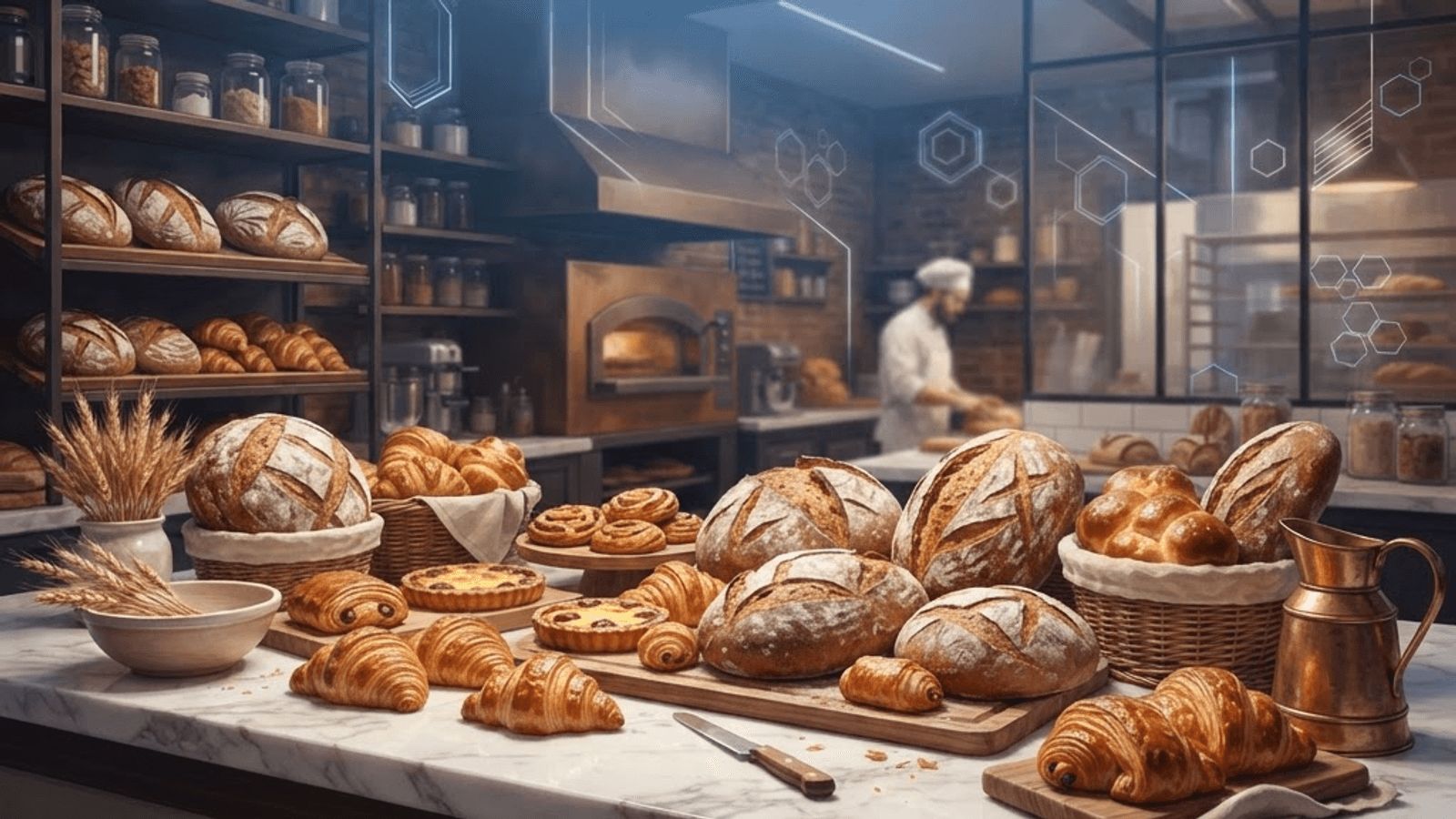
A Baking Tradition Worth Travelling For
Bread occupies a particular place in the food culture of County Down. The griddle traditions that produced soda bread, potato bread and wheaten farls remain genuinely everyday here rather than nostalgic, and any decent bakery in the district is judged first on whether its wheaten loaf is worth buying twice. Layered on top of that heritage is a newer wave of craft baking: long-fermented sourdough, laminated pastries and the sort of patisserie that would not look out of place in a capital city.
Geography helps. Local mills, strong dairy from the surrounding drumlins and a customer base that has always taken baking seriously give bakers in Newry, Downpatrick, Newcastle and the Mourne villages both good ingredients and a demanding audience.
What Distinguishes an Excellent Bakery
Fermentation time is the clearest technical marker. Bread developed slowly over many hours has better flavour, keeps longer and is more digestible than dough rushed with excess yeast and improvers. Ask a baker about their process; those who take it seriously will happily explain.
Ingredient quality is the second marker, particularly butter in pastry, where the difference between real butter and cheaper fats is immediately obvious in both flavour and texture. The third is honest turnover. A good bakery sells out. Shelves still full at closing time suggest either overproduction or a product that is not moving, neither of which favours freshness.
Ten Outstanding Bakeries
1. Clanrye Bakehouse — A Newry institution combining traditional wheaten and soda breads with a serious sourdough programme. Its long-fermented country loaf and morning batch of buttery croissants both sell quickly, and the counter cakes follow the seasons closely.
2. Mourne Craft Bakery — Operating near Newcastle, this bakery has built a devoted following for naturally leavened breads made with locally milled flour. Weekend pastries, particularly the almond varieties, draw queues from walkers heading into the mountains.
3. Downpatrick Bread Company — A traditional family bakery in the county town, respected for consistency across a wide range: potato bread, pancakes, apple tarts and iced buns that regulars have bought for decades.
4. Slieve Patisserie — The most refined offering in the district, specialising in French-style patisserie, entremets and celebration cakes. Its viennoiserie is laminated properly and its chocolate work is genuinely accomplished.
5. Warrenpoint Harbour Bakery — A seaside bakery with an unpretentious approach and excellent execution. Fresh baps, generously filled sausage rolls and a rotating tray of traybakes make it a fixture for promenade visitors.
6. Kilkeel Village Bakery — Serving the harbour town with hearty everyday baking, including substantial wheaten loaves and pastries suited to early starts. Its fruit soda is widely regarded as among the best in the area.
7. Rostrevor Sourdough — A small-batch micro-bakery focused on a short menu executed extremely well: a rye loaf, a seeded sourdough and a weekly special. Production is limited and often reserved in advance.
8. Quoile Cake Studio — Specialises in bespoke celebration and wedding cakes, combining sculptural decorating skill with sponges and fillings that taste as good as they look. Consultations are detailed and unhurried.
9. Saintfield Farm Bakery — Attached to a working farm shop, this bakery emphasises provenance, using eggs, butter and preserves from the surrounding area in tarts, scones and seasonal fruit pies.
10. Ardglass Coastal Bakery — A village bakery and coffee stop serving warm scones, doughnuts and simple, well-made sandwiches, valued as much for its welcome as its baking.
Trends in Local Baking
Provenance has become a genuine selling point, with bakers naming their mills and dairies rather than treating ingredients as generic inputs. Gluten-free and lower-sugar options have improved markedly, moving from dry afterthoughts to properly developed recipes, though dedicated bakeries remain the safest choice for those with coeliac disease.
Pre-ordering has also taken hold, particularly for limited sourdough batches and specialist pastries, allowing small producers to bake to demand and waste less. Meanwhile the bakery-cafe format continues to spread, with more producers adding seating and coffee, turning a quick purchase into a longer visit.
The Northern Irish Baking Tradition
Baking in Newry, Mourne and Down carries a distinct regional identity that visitors often notice immediately. The griddle tradition is central: soda bread, wheaten bread, potato bread and pancakes cooked on a hot plate rather than baked in an oven, all leavened with bicarbonate of soda and buttermilk rather than yeast. Local buttermilk quality is the reason these breads taste noticeably better here than versions made elsewhere, and the district's dairy supply gives its bakers a genuine advantage.
Alongside that heritage sits a strong confectionery tradition of apple tarts, fifteens, custard slices and iced buns, and a newer wave of long-fermentation sourdough, laminated pastry and continental patisserie that has arrived over the past fifteen years. The most interesting bakeries in the district run both traditions side by side, selling a naturally leavened rye loaf across the counter from a tray of warm wheaten.
Seasonality shapes trade heavily. Coastal bakeries in Newcastle, Warrenpoint and the Lecale villages see enormous summer and bank holiday peaks driven by tourism, then rely on local custom through the winter. Bakeries in Newry city trade more evenly, supported by weekday footfall, wholesale supply to cafes and restaurants, and celebration cake orders that continue year round.
How to Judge a Bakery
Crust and crumb tell most of the story. A properly fermented loaf has an irregular, open crumb, a firm crust and a flavour that develops rather than tasting merely of flour. Bread that stays soft for a week is heavily improved with additives; genuine bread stales, which is a sign of quality rather than a defect. With pastry, look for visible lamination and a clean butter flavour rather than greasiness. The most reliable indicator, though, is turnover. Bakeries that sell out daily are baking to demand, and their product is invariably fresher than that of a shop with full shelves at closing time.
Making the Most of a Bakery Visit
Arrive early for the widest choice, especially at weekends. Ask what came out of the oven most recently rather than simply choosing by appearance. For bread intended to last, choose naturally leavened loaves and store them in paper or a bread bin rather than plastic, which softens the crust.
Order celebration cakes well in advance, particularly during summer wedding season, and always taste sponge samples before committing. Finally, buy from small bakeries regularly rather than occasionally. These businesses operate on narrow margins and unsociable hours, and the district's baking culture survives because enough people choose the local counter over the supermarket aisle.
Want your brand featured in front of decision-makers? Publish a guest post or get a link insertion in our guides through AAMAX's guest post and link insertion service.
Helpful Links
 SponsoredAAMAX — Full-Service Digital Agency
Write for Us
Share your expertise with our readers. We welcome guest contributions from industry specialists.
Pitch your idea