A District With Bread in Its Bones
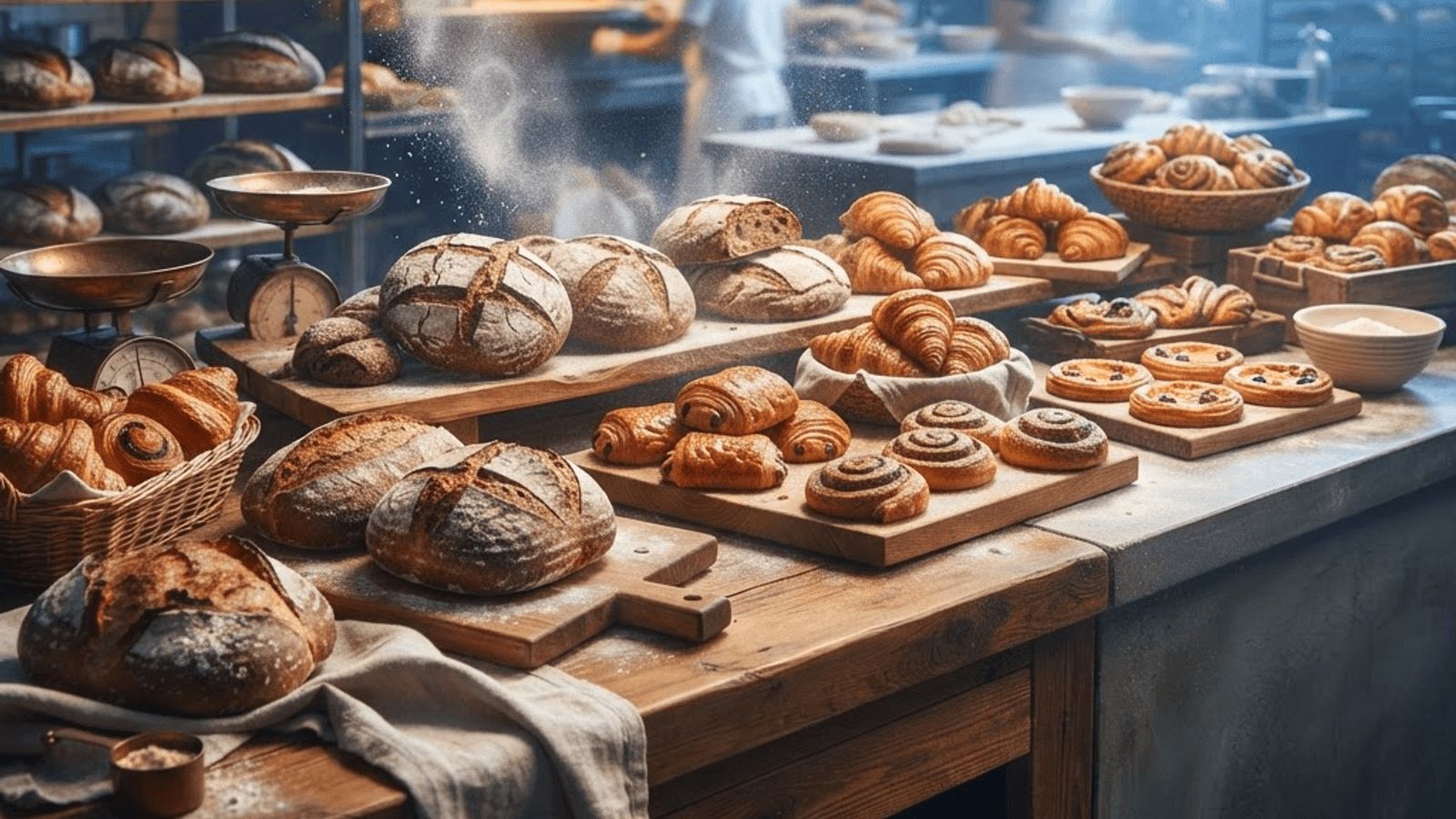
Baking occupies a particular place in the culture of Fermanagh and Omagh. Soda bread, wheaten bannock, potato farls and treacle loaf are not nostalgic curiosities here; they are everyday food, made daily and judged severely. That inherited standard has given the district's bakeries an unusually demanding customer base, and the results show. Alongside the traditional repertoire, a generation of bakers has introduced long fermentation sourdough, laminated pastry and continental technique, producing a scene that is both rooted and genuinely progressive.
Geography helps. The district sits amid excellent dairy country, and the butter, cream and buttermilk available to local bakers are of exceptional quality. Several bakeries also source flour from regional mills, and a few work with heritage grain growers. When ingredients are this good, technique has something to work with.
How These Bakeries Were Chosen
Selection weighted the quality and consistency of the finished product, skill in both traditional and modern baking, ingredient sourcing, freshness and production rhythm, the experience of visiting, and standing within the local community. Bakeries that train apprentices and supply other food businesses were regarded favourably, as both indicate genuine craft depth.
1. Erne Artisan Bakehouse
Erne Artisan Bakehouse has become a destination for anyone serious about bread. Its sourdough is fermented slowly over an extended period, producing an open crumb and a deeply developed flavour that improves over several days. The bakery also produces excellent seeded loaves, rye breads and a wheaten that manages to be both traditional and noticeably refined. Morning queues are common and entirely justified.
2. Omagh Town Bakery
A long-established presence in the town, Omagh Town Bakery represents the classic Northern Irish bakery at its best. Soda farls, potato bread, apple tarts, cream buns and iced fifteens are produced in volume yet without shortcuts. The consistency across decades is the achievement here, and generations of local families treat it as a fixed point in the week.
3. Lakeland Patisserie
Lakeland Patisserie brings French technique to the Fermanagh lakelands. Croissants and pain au chocolat are laminated over multiple days, producing the honeycomb interior and shattering exterior that distinguishes real viennoiserie from its imitations. The counter also features entremets, tarts and seasonal desserts executed with genuine precision.
4. Strule Sourdough Company
Operating a micro-bakery model in Omagh, Strule Sourdough Company produces a limited range in small batches, focusing entirely on naturally leavened breads. Working with a mature starter and regional flours, the bakery has built a devoted following through weekly collection and a small number of stockists. Scarcity is a by-product of quality rather than a marketing tactic.
5. Fermanagh Family Bakers
This family operation has served the county for several generations, specialising in celebration cakes alongside daily bread. Wedding cakes, christening cakes and birthday work are produced to a high decorative standard, and the bakery is known for accommodating unusual requests without fuss. Traditional fruit cake, properly matured, remains a signature.
6. Clogher Valley Wheaten Works
Dedicated primarily to traditional Ulster baking, Clogher Valley Wheaten Works produces wheaten bread, treacle farls, boxty and oaten biscuits using recipes that have changed little in decades. Buttermilk comes from nearby dairies, and the difference it makes to texture and tang is obvious to anyone who compares it with mass-produced alternatives.
7. Enniskillen Continental Bakery
Enniskillen Continental Bakery offers breads from across Europe, including ciabatta, focaccia, baguette, rye and enriched brioche. The range has broadened local tastes considerably and made the bakery a favourite supplier to restaurants and delicatessens across the county who want bread that stands up to serious cooking.
8. Northwest Gluten Free Bakery
Serving customers with coeliac disease and gluten intolerance, this dedicated facility eliminates cross-contamination risk entirely. The achievement is in the eating: breads, scones, tarts and cakes that do not read as compromises. For families who had largely given up on bakery products, the difference is significant.
9. Dromore Village Bakery
A genuine village institution, Dromore Village Bakery combines a bakery counter with a small café. Scones served warm with local jam, traybakes, savoury pastries and a rotating selection of loaves draw a steady stream of regulars. The social function is as important as the food, and the bakery is a fixture of village life.
10. Lough Shore Stone Oven
Lough Shore Stone Oven bakes in a wood-fired masonry oven, producing breads and flatbreads with the particular crust and subtle smoke character that only a stone hearth delivers. Weekend pizza service has become popular, using the residual heat after the bread bake and drawing visitors from well beyond the immediate area.
Understanding What Makes Bread Good
Several factors separate excellent bakery products from ordinary ones. Fermentation time matters more than almost anything else, as extended fermentation develops flavour compounds and improves digestibility. Flour quality and freshness affect both taste and handling. Hydration levels determine crumb structure. Baking temperature and steam produce the crust. None of this is visible to the customer, which is why reputation and consistency are the practical indicators to rely upon.
Trends in the Local Baking Scene
Interest in heritage and ancient grains has grown, with spelt, emmer and traditional wheat varieties appearing on more counters. Reduced sugar and higher fibre formulations are increasingly requested. Sustainability efforts have become visible, including reduced packaging, surplus donation schemes and shorter supply chains. Perhaps most encouragingly, several bakeries have invested in formal apprenticeships, addressing a skills shortage that threatened the craft a decade ago.
Tips for Buying and Keeping Bakery Bread
Buy on the day of baking where possible and ask what time the bake finishes. Store proper sourdough cut-side down on a board rather than in plastic, which softens the crust. Freeze what will not be eaten within two days, slicing first so portions can be taken as needed. Refrigeration accelerates staling and should generally be avoided. For traditional soda breads, consume within a day or two, as they lack the natural preservation of naturally leavened loaves.
Conclusion
The bakeries of Fermanagh and Omagh reward exploration. Whether the appeal is a warm wheaten farl that tastes of childhood, a properly laminated croissant or a dark-crusted sourdough with three days of fermentation behind it, the standard across the district is genuinely high. Supporting these bakeries sustains skills, local supply chains and a food culture worth preserving.
Want your brand featured in front of decision-makers? Publish a guest post or get a link insertion in our guides through AAMAX's guest post and link insertion service.
Helpful Links
 SponsoredAAMAX — Full-Service Digital Agency
Write for Us
Share your expertise with our readers. We welcome guest contributions from industry specialists.
Pitch your idea