A County That Takes Baking Seriously
East Lothian grows a great deal of Scotland's wheat and barley. Drive through the fields between Haddington and Dunbar in late summer and the connection between landscape and loaf becomes obvious. That agricultural foundation has supported baking traditions in the county for generations, and the current generation of bakers has built on it with genuine enthusiasm.
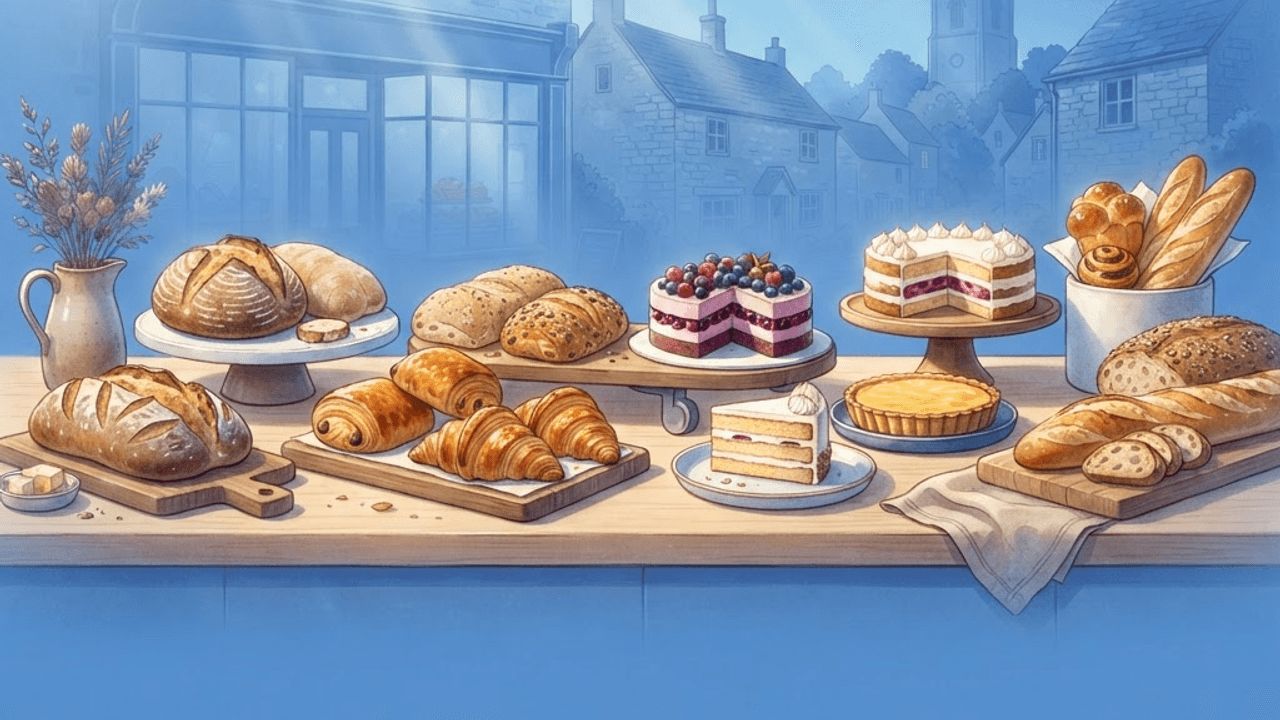
What makes the local scene interesting is its breadth. Traditional Scottish bakers still produce morning rolls, Scotch pies and tattie scones for a loyal daily trade. Alongside them, artisan bakeries work with long fermentation, heritage grains and wood-fired ovens. Both approaches thrive, often within a few streets of one another, and the county is richer for it.
The Ingredients Advantage
Local sourcing is not merely marketing here. Several East Lothian bakeries buy flour milled from grain grown within the county, reducing transport and creating a genuine link between field and counter. Scottish butter, local eggs and seasonal fruit from surrounding farms appear throughout the display cases.
Heritage grain varieties have attracted growing interest. Older wheat types produce flour with distinctive flavour and, for some people, better digestibility. A handful of local bakers work exclusively with these grains, though the lower yields mean prices reflect the extra effort.
The Top 10 Bakeries in East Lothian
1. Haddington Craft Bakery has served the county town for decades, producing traditional Scottish morning rolls, plain loaves and a Scotch pie with a reputation that extends well beyond the burgh boundary. Early queues on Saturday mornings are part of local life.
2. Bass Rock Sourdough in North Berwick focuses entirely on naturally leavened bread. Long fermentation, careful flour selection and wood-fired baking produce loaves with pronounced crust and complex flavour. Limited daily quantities sell out quickly.
3. Dunbar Harbour Bakehouse combines a bakery with a small cafe overlooking the coast. Its cinnamon buns and almond croissants have become a fixture of weekend coastal walks, alongside a solid range of sandwich breads.
4. Musselburgh Family Bakers represents the traditional Scottish bakery at its best. Fern cakes, empire biscuits, macaroon bars and well-made bridies fill the shelves, priced for everyday shopping rather than treats.
5. Lammermuir Grain and Loaf mills its own flour from locally grown heritage wheat. The resulting breads have a distinctive character, and the bakery runs occasional workshops explaining the process from grain to finished loaf.
6. Gullane Village Patisserie takes a French-influenced approach, producing laminated pastries, fruit tarts and celebration cakes with precise technique. Its croissants receive consistent praise from visitors who know the difference.
7. Tranent Traditional Bakers supplies the surrounding communities with reliably good everyday baking. Sliced loaves, filled rolls and a changing selection of traybakes serve a steady local customer base.
8. Aberlady Cottage Bakery operates on a small scale with a focus on quality over volume. Its seasonal fruit tarts, using produce from nearby growers, mark the passing year in fruit rather than dates.
9. Tyne Valley Gluten Free addresses a real gap, producing a full range of breads, cakes and pastries in a dedicated facility. Customers with coeliac disease particularly value the separate production environment.
10. East Coast Wood Fired operates from a converted barn near the coast, baking in a large brick oven. Its focaccia, flatbreads and rustic country loaves draw customers from across the county on baking days.
Trends in Contemporary Baking
Slow fermentation has become widely adopted, driven by both flavour and digestibility. Doughs developed over twenty-four hours or longer produce noticeably better bread, and customers have learned to recognise the difference.
Reduced waste practices have spread through the sector. Day-old bread finds its way into breadcrumbs, puddings and staff meals, while several bakeries operate discounted end-of-day sales that have become popular in their own right.
Plant-based options have moved from afterthought to standard range. Well-executed vegan pastries now sit alongside traditional recipes rather than in a separate corner.
Preorder and collection systems, accelerated during recent years, have persisted. Customers appreciate securing popular items that would otherwise sell out, and bakers benefit from better production planning.
Choosing Where to Buy
Visit early if you want the full range, as the best products rarely last until afternoon. Ask what the baker is proudest of rather than what is most popular, since the answers often differ interestingly.
Consider what you actually want. A traditional Scottish bakery producing excellent morning rolls and pies is not attempting the same thing as an artisan sourdough specialist, and comparing them directly misses the point of both.
Pay attention to how bread is stored and sold. Good bakers keep loaves unwrapped or in paper, understanding that plastic softens crust within hours.
Supporting Local Baking
Independent bakeries operate on narrow margins against considerable competition from supermarkets. They survive on regular custom rather than occasional visits, and the difference between a thriving high street bakery and a closed one is often a matter of habitual local support.
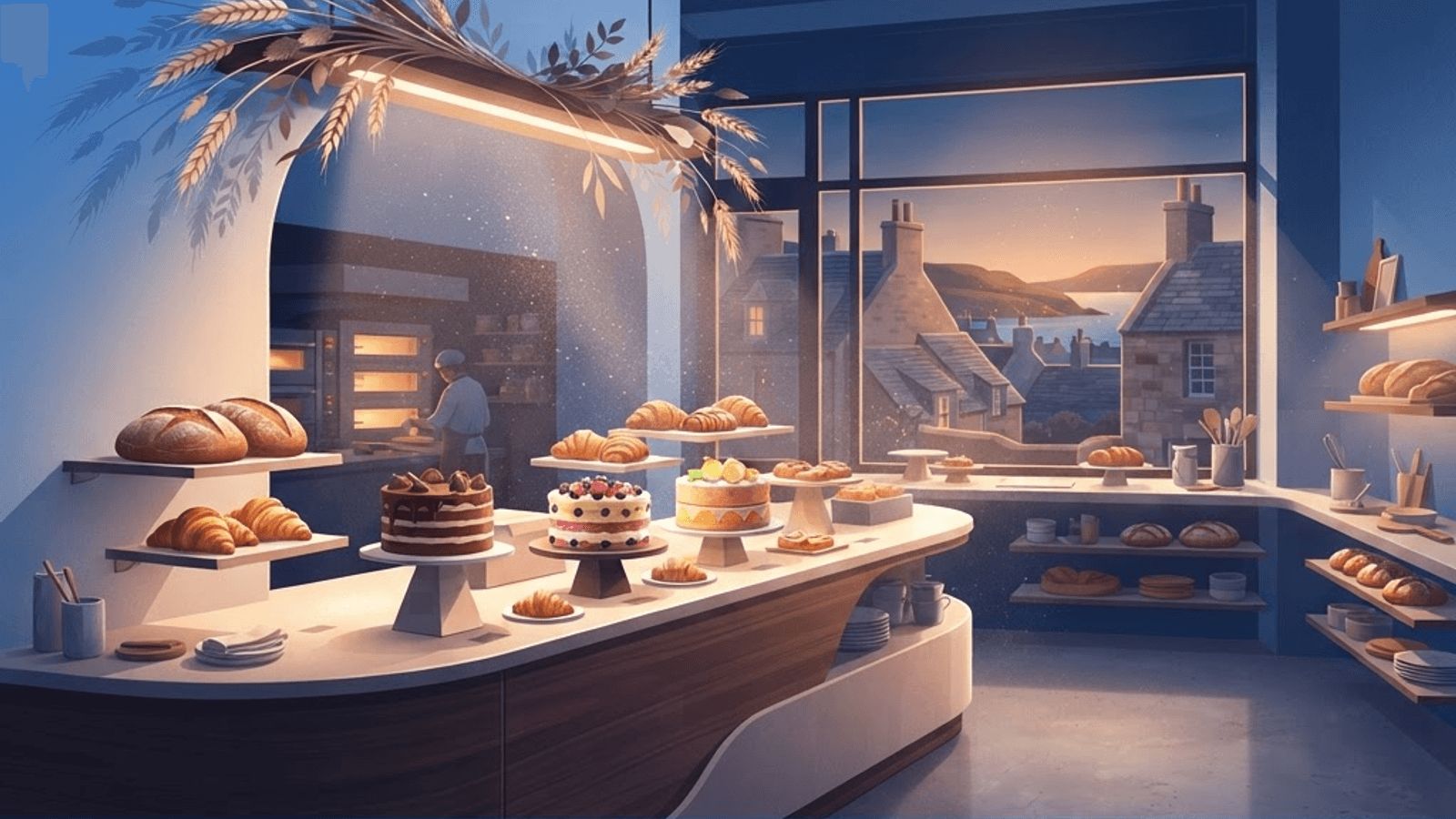
East Lothian is fortunate in its bakers. The combination of agricultural heritage, skilled practitioners and customers who appreciate quality has produced a baking scene worth exploring properly, one town at a time.
Want your brand featured in front of decision-makers? Publish a guest post or get a link insertion in our guides through AAMAX's guest post and link insertion service.
Helpful Links
 SponsoredAAMAX — Full-Service Digital Agency
Write for Us
Share your expertise with our readers. We welcome guest contributions from industry specialists.
Pitch your idea