

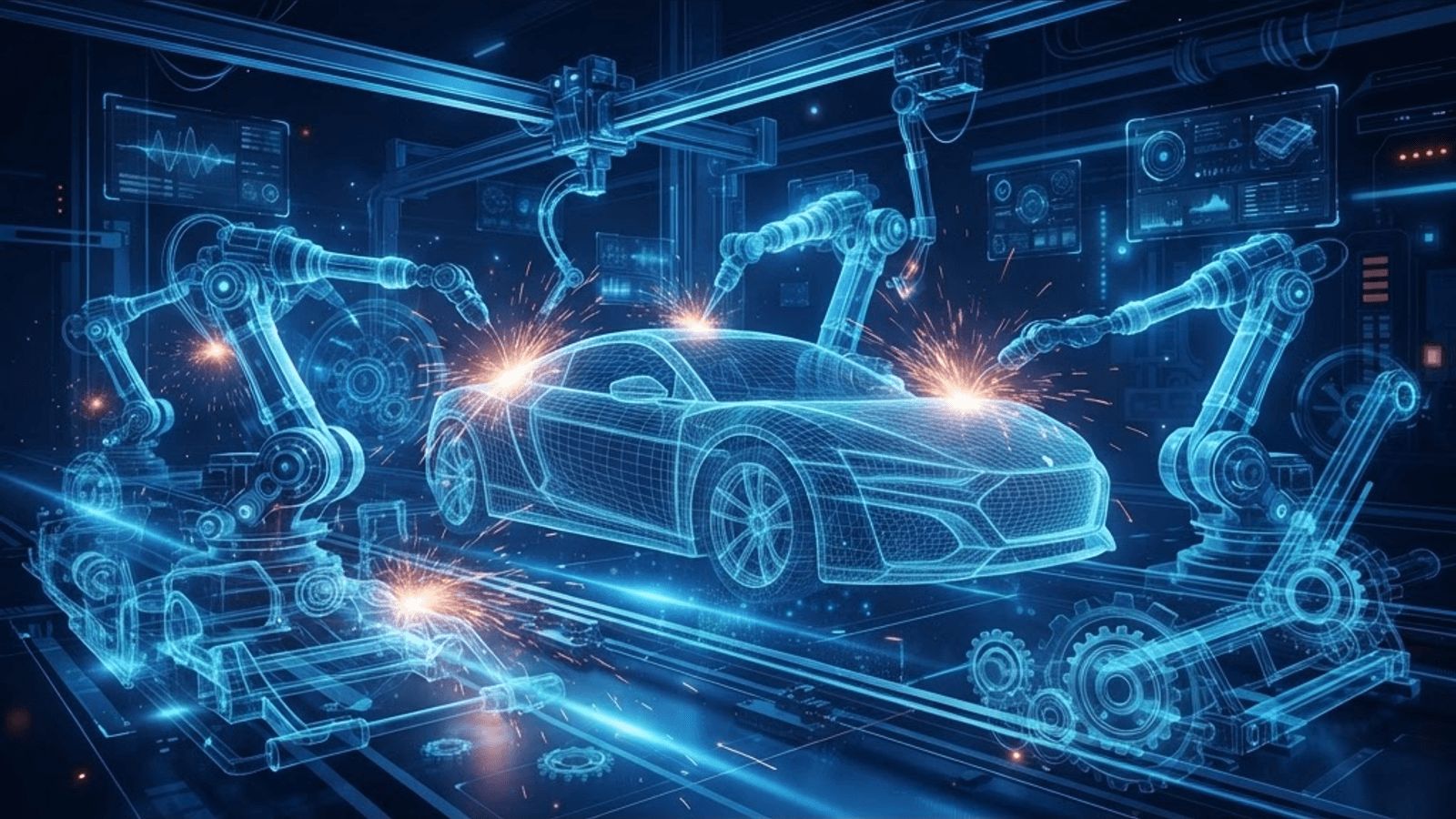
Automotive Manufacturing in a Scottish Context
Scotland does not host a volume car assembly plant, but it supports a genuinely significant automotive sector built around specialist manufacturing, commercial vehicle bodybuilding, components, engineering services and, increasingly, electrification technology. East Lothian participates in this ecosystem through engineering firms on its industrial estates, vehicle conversion and bodybuilding businesses serving agriculture and logistics, and a workforce employed across central belt automotive and engineering operations.
The county's practical vehicle needs also shape local demand. Agricultural businesses require specialist trailers, tipping bodies and equipment mounting. Construction firms need tipper and crane-mounted vehicles. The tourism and hospitality economy supports minibus and accessible vehicle conversion. Local authority and utility fleets require specialist bodywork and increasingly electric drivetrains.
Segments of the Automotive Manufacturing Sector
Commercial vehicle bodybuilding fits tipper, box, curtainside, refrigerated and specialist bodies onto chassis supplied by manufacturers. Vehicle conversion adapts standard vans and minibuses for accessibility, welfare, mobile workshops and campervan use. Component manufacturing produces castings, machined parts, fasteners, wiring harnesses, seals and trim. Electrification specialists develop battery systems, power electronics, charging infrastructure and drivetrain retrofits. Engineering services cover design, prototyping, testing and homologation support. Remanufacturing extends component life through refurbishment of engines, gearboxes and electrical assemblies.
Leading Automotive Manufacturers and Specialists Relevant to East Lothian
Alexander Dennis is Scotland's flagship vehicle manufacturer, producing buses and coaches including battery electric models, and is central to the country's automotive engineering capability.
Allied Vehicles specialises in wheelchair accessible vehicles, taxis and adapted transport, converting base vehicles into highly specified finished products.
Munro Vehicles develops all-electric off-road utility vehicles designed for agriculture, energy and infrastructure work, representing a distinctly Scottish approach to electrification.
Terberg DTS UK manufactures and supplies specialist terminal tractors and material handling vehicles used in logistics and industrial settings.
Thomson Engineering Design produces specialist rail and road-rail vehicle equipment, drawing on heavy engineering expertise applicable across the vehicle sector.
Scotcab and specialist conversion workshops provide bespoke cab, body and equipment fitting for commercial operators requiring configurations not available from mainstream manufacturers.
GRS Roadstone and plant engineering suppliers support the tipper, trailer and plant vehicle requirements of construction and quarrying operations across the Lothians.
Bright Green Hydrogen and related technology developers work on alternative fuel and hydrogen vehicle applications, contributing to the wider decarbonisation of transport in Scotland.
Dennison Trailers manufactures heavy goods trailers used extensively by Scottish hauliers, known for durable construction suited to demanding operating conditions.
Volvo Group and commercial dealer workshops maintain significant technical and bodybuilding partnerships in Scotland, supporting fleet specification, build and aftercare for operators in the region.
The Electrification Shift
The transition to electric vehicles is the dominant force in the sector. For manufacturers, it changes the bill of materials fundamentally, replacing engines and transmissions with batteries, inverters and electric motors. For bodybuilders and converters, it introduces new considerations around weight distribution, high-voltage safety, charging integration and the effect of auxiliary equipment on range.
East Lothian feels this directly. Fleet operators serving the county must plan depot charging infrastructure. Agricultural and rural businesses weigh range against operational patterns. Local authorities procuring refuse and maintenance vehicles must evaluate electric options against duty cycles. The engineering skills required, particularly high-voltage competence, are in short supply and represent a genuine training priority.
Quality and Regulatory Requirements
Vehicle manufacturing and conversion are tightly regulated. Type approval requirements govern whole vehicles and, for smaller producers, individual vehicle approval provides an alternative route. Construction and use regulations set weight, dimension and safety requirements. Converted vehicles must maintain structural integrity and safety systems, and accessibility conversions face additional standards. Quality management under ISO 9001, and IATF 16949 for component suppliers into major manufacturers, underpins supply chain credibility.
Supply Chain and Sourcing Considerations
Automotive supply chains have faced sustained disruption from semiconductor shortages, raw material price volatility and logistics constraints. Manufacturers have responded by diversifying suppliers, increasing inventory buffers on critical components and seeking regional sourcing where feasible. For East Lothian businesses procuring specialist vehicles, this translates into longer lead times than historically expected and a strong argument for early ordering, particularly for electric models where battery supply constrains production.
Choosing a Vehicle Manufacturing Partner
Define the duty cycle precisely before specifying, including payload, daily mileage, terrain, loading patterns and any equipment to be mounted. Confirm that the builder holds appropriate approvals for the intended configuration and that the finished vehicle will remain compliant and insurable. Ask about warranty interaction between chassis manufacturer and bodybuilder, which is a frequent source of dispute. Review aftercare arrangements, spare parts availability and the location of service support, since downtime on a specialist vehicle is expensive and alternatives are rarely available.
Final Thoughts
Automotive manufacturing relevant to East Lothian is specialist rather than mass market, and that is precisely its strength. Scottish builders and converters produce vehicles tailored to demanding applications, from accessible transport to electric utility machines and heavy haulage trailers. As electrification reshapes the sector, operators in the county who plan early, specify carefully and partner with experienced manufacturers will be best placed to manage both cost and compliance.
Want your brand featured in front of decision-makers? Publish a guest post or get a link insertion in our guides through AAMAX's guest post and link insertion service.
Helpful Links
 SponsoredAAMAX — Full-Service Digital Agency
Write for Us
Share your expertise with our readers. We welcome guest contributions from industry specialists.
Pitch your idea

