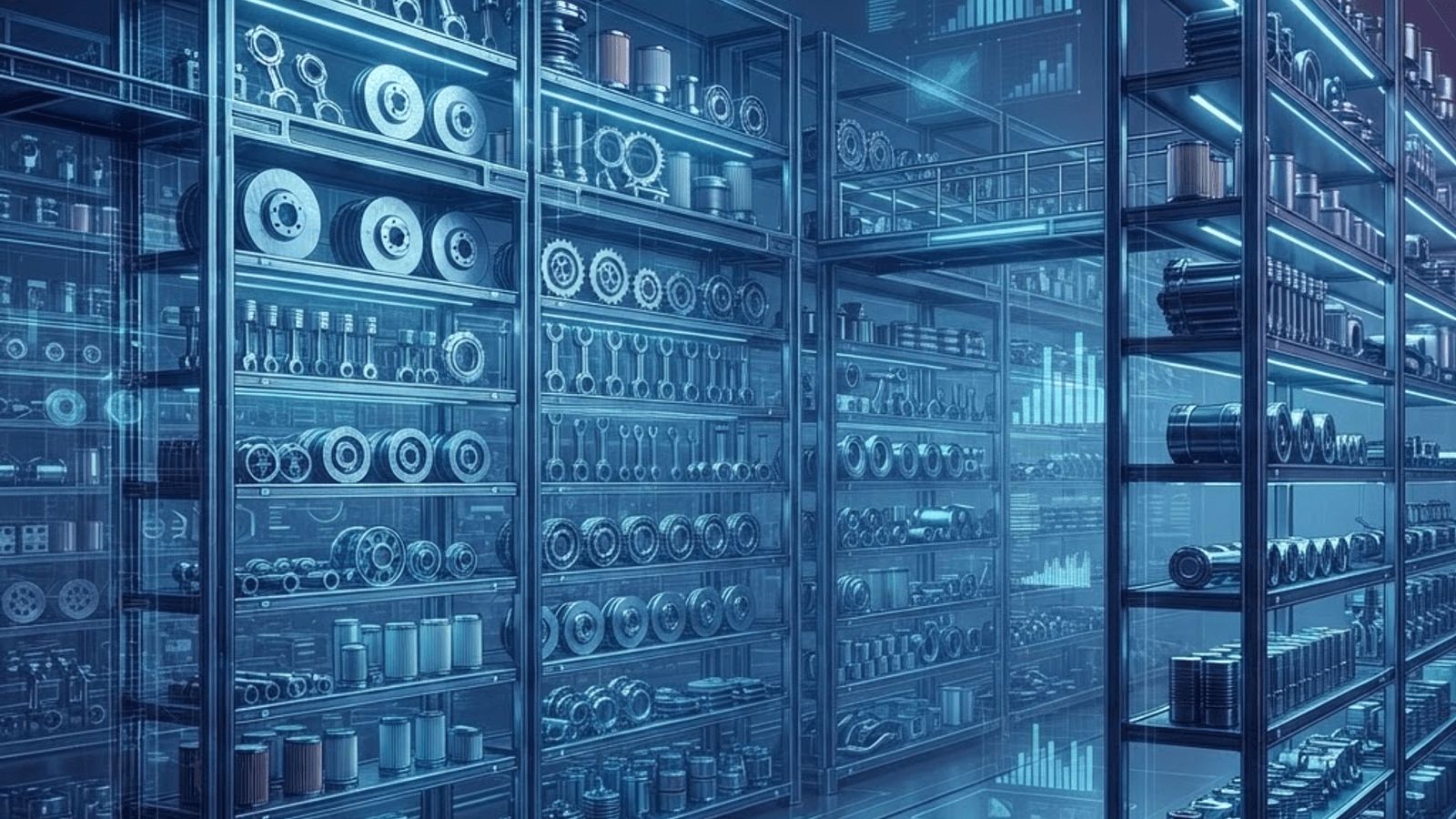
Why Parts Supply Matters in This Borough
Hinckley and Bosworth combines a dense network of independent garages with a strong culture of home mechanics and motorcycle enthusiasts. Add a busy logistics and light manufacturing base along the A5 and M69, and the borough generates constant demand for vehicle components. Filters, brake pads, clutches, sensors, bulbs, batteries and body panels move through local supply channels in significant volume every week.
For workshops, parts availability directly affects profitability. A vehicle waiting three days for a sensor occupies a ramp and frustrates a customer. For private owners, the right supplier means the difference between a straightforward Saturday repair and a stalled project with a car stranded on axle stands. Understanding the local supply landscape is therefore genuinely valuable.
Understanding the Different Types of Parts
Before choosing a supplier, it helps to understand what you are buying. Original Equipment parts carry the vehicle manufacturer's branding and are typically the most expensive. Original Equipment Supplier parts come from the same factories that produce components for the manufacturer but are sold under the component maker's own brand, often at a significantly lower price with identical quality. Aftermarket parts vary widely, from excellent performance upgrades to components that should be avoided entirely.
Reconditioned and remanufactured parts occupy a valuable middle ground, particularly for alternators, starter motors, turbochargers, steering racks and diesel injectors. A properly remanufactured unit is rebuilt to specification with new wear components and usually carries a meaningful warranty. Used parts from dismantlers make sense for body panels, interior trim, glass, lighting units and mechanical assemblies on older vehicles where new pricing is disproportionate to vehicle value.
Ten Auto Parts Suppliers Serving Hinckley and Bosworth
1. Hinckley Motor Factors
A traditional trade counter operation supplying filters, brake components, clutches, belts, fluids and consumables to local garages and the public. Its strength is catalogue depth combined with same-day sourcing from regional distribution hubs, which keeps workshop downtime to a minimum.
2. Bosworth Vehicle Spares
Serving the rural western side of the borough, this supplier focuses on practical availability for everyday servicing items. Stock is weighted towards common Ford, Vauxhall, Volkswagen and Toyota applications, along with agricultural and light commercial filtration.
3. Burbage Auto Components
Known among local technicians for electrical and sensor components, including ignition parts, ABS sensors, lambda sensors and engine management components. The counter staff's technical knowledge is a frequently cited advantage when identifying correct part variants.
4. Watling Street Parts Supply
Positioned to serve the commercial vehicle traffic along the A5, this supplier stocks a strong range of light commercial and van components, including heavier-duty brakes, suspension and clutch assemblies suited to load-carrying vehicles.
5. Earl Shilton Motor Supplies
A well-regarded local counter offering servicing consumables, lubricants, bodywork materials, paint mixing and workshop sundries. Its paint matching service is particularly useful for small repairs and touch-up work.
6. Barwell Battery and Electrical
Specialising in batteries, charging systems and vehicle electrical components, including start-stop compatible AGM and EFB batteries that many general suppliers stock only sparsely. Testing and fitting services add practical value.
7. Desford Performance Parts
Aimed at enthusiasts, this supplier covers performance brakes, suspension, induction, exhaust components and motorsport consumables. It serves both road car tuners and the local motorcycle and track day community.
8. Markfield Vehicle Dismantlers
A salvage and recycling operation supplying tested used components including engines, gearboxes, body panels, lighting units, doors and interior parts. For older vehicles and insurance-sensitive repairs, this route can dramatically reduce costs while supporting circular economy principles.
9. Groby Road Tyre and Wheel Supply
Focused on tyres, alloy wheels, TPMS sensors, wheel nuts and fitting accessories. Stocking a range from budget to premium brands allows customers to match spend to mileage and driving style rather than being pushed towards one tier.
10. Stoke Golding Classic Spares
Catering to classic car and older vehicle owners, this supplier sources hard-to-find components, gaskets, trim, seals and period-correct fittings. In a borough with an active classic vehicle scene and regular local shows, this specialist knowledge fills a genuine gap.
How to Buy Parts Intelligently
Always start with the vehicle identification number rather than the model name. Manufacturers frequently change component specifications mid-production, and a VIN-based lookup eliminates the most common cause of wrong-part returns. Photograph the old component before removal, including any part numbers stamped on the casting or housing.
Consider the economics of quality. On brake friction, suspension components, cambelt kits, water pumps and cooling system parts, budget components are a false economy. The labour cost of replacing a failed cheap water pump on a timing belt driven engine vastly exceeds the initial saving. Conversely, on non-critical items such as interior clips, wiper blades or bulbs, mid-range options are usually fine.
Check warranty terms carefully. Many parts carry a warranty that is void if fitted by an unqualified person, or that covers the part but not the labour to refit it. For expensive components such as turbochargers and DPFs, warranty conditions often require replacement of associated filters and oils.
Trends in the Parts Industry
Several shifts are reshaping parts supply. Electrification is changing demand profiles, reducing sales of exhausts, clutches and oil filters while increasing demand for brake components with different wear characteristics, cabin filters and high-voltage service items. Right to repair debates continue to influence access to diagnostic data and manufacturer-restricted components.
Remanufacturing is growing rapidly, driven by both cost and sustainability. Core exchange schemes, where the old unit is returned for rebuilding, reduce prices and waste simultaneously. Meanwhile, digital cataloguing and VIN-based identification have significantly reduced error rates compared with paper catalogues.
Supply chain resilience has also become a talking point. Suppliers holding local stock rather than relying entirely on overnight distribution have proven more reliable during periods of disruption, and many workshops now deliberately spread orders across multiple sources.
Advice for Home Mechanics
Buy tools before parts. A torque wrench, a decent socket set and axle stands make far more difference to repair quality than premium components installed incorrectly. Always torque fasteners to specification, particularly on suspension, wheels and cylinder heads.
Order consumables alongside the main part. Gaskets, seals, bolts that are single-use by design, coolant and oil are routinely forgotten and turn a one-day job into a two-day job. Ask the counter staff what else the job typically requires; experienced suppliers will tell you.
Final Thoughts
Across Hinckley and Bosworth, from trade counters serving professional workshops to dismantlers, performance specialists and classic parts sources, the supply network is broad and capable. The key is matching the supplier to the job, understanding the difference between part grades and buying with the vehicle identification number in hand. Do that consistently and repairs become faster, cheaper and far more likely to last.
Want your brand featured in front of decision-makers? Publish a guest post or get a link insertion in our guides through AAMAX's guest post and link insertion service.
Helpful Links
 SponsoredAAMAX — Full-Service Digital Agency
Write for Us
Share your expertise with our readers. We welcome guest contributions from industry specialists.
Pitch your idea