Machinery and the Economics of Farming
Few decisions affect a farming business as durably as machinery selection. A tractor or harvester represents a major capital commitment that will shape operations for a decade, influencing fuel consumption, labour requirements, timeliness of field operations and ultimately yield. In Bassetlaw, where farm sizes and cropping systems vary considerably, that decision has no single right answer.
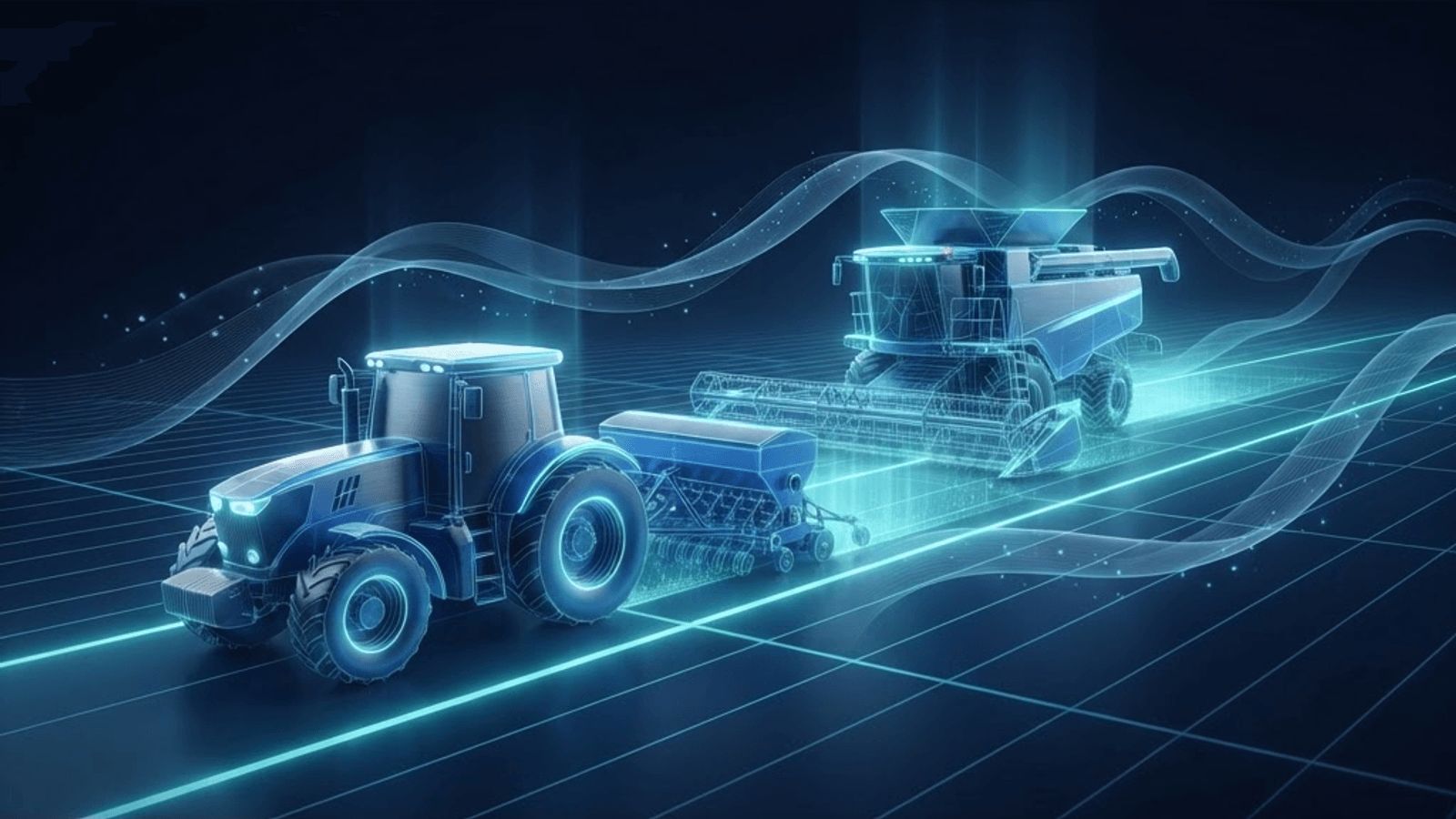
What has changed most in recent years is the degree to which machinery has become a data platform as well as a mechanical tool. Modern equipment records field operations automatically, applies inputs at variable rates according to prescription maps, steers itself along precise lines and reports its own condition to a maintenance system. The brands that have invested in this capability have pulled ahead, but only where dealer support exists to make the technology usable in practice.
How Farmers Should Evaluate Machinery
Dealer support is the first and most underrated criterion. A technically superior machine with a three-day wait for a service engineer is worse than a competent machine backed by a dealer who arrives the same morning during harvest. Parts availability, engineer coverage and out-of-hours response during critical windows should be investigated before the specification is finalised.
Compatibility is the second issue. Farms running mixed brands frequently encounter frustration when guidance systems, implement controls and data platforms refuse to communicate. Standards for interoperability have improved considerably, but verification remains essential. Third is realistic sizing, since oversized machinery increases capital cost, fuel use and soil compaction while undersized machinery risks missing weather windows. Finally, residual value deserves attention, as strong resale performance can offset a higher purchase price substantially.
The Top 10 Agricultural Equipment Brands and Suppliers in Bassetlaw
1. Idle Valley Tractor Centre
Supplying and supporting mainstream tractor ranges across the district, this dealership combines new and used machinery sales with a well-resourced workshop. Its reputation rests on service responsiveness, with mobile engineers covering the area and a parts operation geared to minimise downtime during critical field operations.
2. Worksop Harvesting Machinery
Combines, forage harvesters and associated header equipment form this supplier's focus. Harvest is unforgiving, and the business structures its entire year around pre-season inspection programmes and intensive in-season support so that breakdowns are resolved within hours rather than days.
3. Retford Cultivation Systems
Ploughs, subsoilers, power harrows and min-till cultivation equipment are supplied and supported here. The team has developed particular expertise in matching cultivation strategy to soil type, which matters greatly across a district with soils ranging from light sand to heavy clay.
4. Sherwood Precision Drilling Equipment
Seed drills determine establishment, and establishment determines yield potential. This supplier specialises in precision and direct drilling systems, supporting farms moving towards reduced tillage with equipment capable of placing seed accurately into varied residue conditions.
5. Trent Vale Sprayers and Application
Self-propelled and mounted sprayers, along with fertiliser spreaders, form the core of this business. Accuracy of application is both an economic and a regulatory concern, and the company provides nozzle advice, calibration services and section control technology that reduces overlap and waste.
6. Clumber Grassland and Forage Equipment
Mowers, tedders, rakes, balers and wrapping equipment serve the district's livestock enterprises. Forage quality depends heavily on timeliness and on gentle handling of the crop, and this supplier focuses on machinery that preserves leaf and minimises contamination.
7. Northgate Grain Handling and Storage
On-farm storage gives growers marketing flexibility, and this supplier provides drying systems, conveyors, cleaners and storage installations. Energy efficiency has become central to specification as drying costs have risen, and the team advises on systems that reduce fuel use while protecting grain quality.
8. Bassetlaw Livestock Handling Systems
Safe and efficient stock handling protects both animals and people. Crushes, races, gates, weighing systems and housing equipment are supplied with attention to welfare standards and to the practical realities of working with cattle and sheep in confined spaces.
9. Priory Agricultural Technology
Focused on the digital layer of modern farming, this supplier provides guidance systems, telematics, soil scanning services and farm management software. Its value lies as much in implementation support as in the products themselves, helping farms turn collected data into decisions rather than unused files.
10. Chesterfield Canal Compact and Estate Machinery
Serving smallholdings, equestrian properties, estates and groundcare operations, this supplier provides compact tractors, utility vehicles, mowers and light implements. Smaller operations are often poorly served by mainstream agricultural dealers, and this focus fills a genuine gap in the district.
Technology Trends in Farm Machinery
Autonomy is advancing steadily, moving from assisted steering towards genuinely unsupervised field operations in controlled circumstances. Alternative power is developing in parallel, with electric drives suiting lighter yard and horticultural tasks while larger field machines explore biomethane, hydrogen and hybrid systems. Precision application continues to sharpen, with camera-guided spot spraying dramatically reducing herbicide volumes. Data interoperability has improved as standards mature, though friction between platforms remains a real frustration for mixed-fleet operators. Finally, the right to repair debate has intensified, with farmers pushing back against software restrictions that prevent in-house maintenance.
Making the Right Machinery Decision
The most reliable approach is to define the job before shopping for the machine. Calculate the workload honestly in hectares and available working days, then specify capacity to match rather than to impress. Demonstrate equipment on your own land in realistic conditions, question dealers closely about service response during peak season, and model the full cost including depreciation, finance, fuel and maintenance. Machinery bought for the farm you actually operate, supported by a dealer who answers the phone in August, will outperform a more glamorous alternative every season.
Want your brand featured in front of decision-makers? Publish a guest post or get a link insertion in our guides through AAMAX's guest post and link insertion service.
Helpful Links
 SponsoredAAMAX — Full-Service Digital Agency
Write for Us
Share your expertise with our readers. We welcome guest contributions from industry specialists.
Pitch your idea