With AI now capable of writing copy, designing visuals, analyzing data, and managing ad campaigns, it is natural to wonder whether the entire practice of marketing could one day be handled by machines. Some predictions imagine a future where AI runs marketing autonomously, with little human involvement. While AI is undeniably powerful, the notion that it will fully replace marketing misunderstands what marketing truly is and why people remain central to it.
How AAMAX.CO Balances AI Power and Human Strategy
Navigating this balance is exactly where expert guidance matters. AAMAX.CO is a full-service digital marketing company serving clients across the globe, and they specialize in blending advanced AI tools with seasoned marketing strategy. Their search engine optimization and broader marketing services use AI to work faster and smarter while keeping human insight at the core of every campaign. This combination allows their clients to enjoy the efficiency of automation without losing the creativity and emotional connection that make marketing effective.
What Marketing Really Involves
Marketing is often reduced to its visible outputs: ads, emails, social posts, and content. But at its heart, marketing is about understanding people. It involves identifying what customers need, crafting messages that resonate emotionally, building trust over time, and positioning a brand in a crowded market. These activities require empathy, cultural understanding, and strategic thinking that go far beyond pattern recognition.
AI can support each of these tasks, but it cannot fully perform them on its own. It can analyze customer data, but it cannot truly understand the human experiences behind that data. It can generate messages, but it cannot feel the emotional weight of a story or judge whether it will resonate in a specific cultural moment.
The Strengths AI Brings to Marketing
It is important to acknowledge how much AI genuinely contributes. AI processes enormous volumes of data instantly, revealing insights that would take humans weeks to uncover. It personalizes experiences at a scale no team could manage manually. It automates repetitive tasks, optimizes ad spending, and predicts customer behavior with growing accuracy. These capabilities make marketing more efficient and effective.
Because of this, AI has become an indispensable tool. Marketers who use it well can accomplish more, react faster, and make better-informed decisions. But these strengths are best understood as enhancements to human work rather than replacements for it.
Why Human Creativity Cannot Be Replaced
The most memorable marketing campaigns are built on creativity and emotional insight. They tap into hopes, fears, humor, and aspirations in ways that feel authentically human. AI, no matter how advanced, generates content based on existing patterns. It can imitate creativity, but it does not originate ideas born from lived experience, cultural nuance, or genuine emotion.
Brand building also depends on trust and relationships. Customers connect with brands that feel human, that listen and respond with care. Authentic communication, especially during sensitive moments, requires human judgment. A machine cannot navigate a public crisis or craft a heartfelt apology with the sensitivity that real situations demand.
The Risks of Over-Relying on AI
Businesses that try to fully automate marketing often discover the downsides. Content can become generic and repetitive when it lacks human refinement. Personalization can cross into discomfort if privacy is not handled thoughtfully. Strategic missteps can occur when decisions are made without understanding the broader context. AI lacks accountability and cannot be held responsible for ethical or reputational consequences.
These risks highlight why human oversight remains essential. Marketers must guide AI, review its output, and ensure that campaigns align with brand values and customer expectations.
A Partnership, Not a Replacement
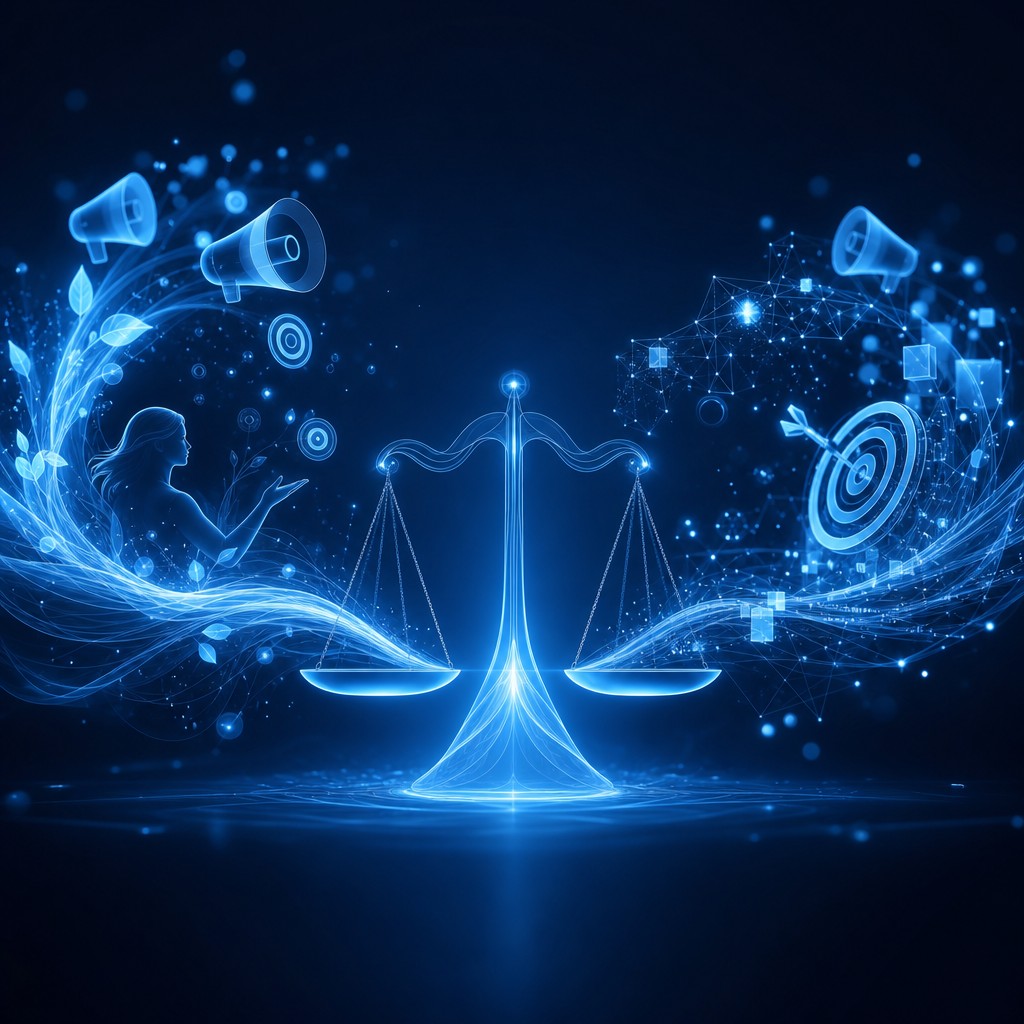
The most realistic future is one where AI and marketers work together. AI handles scale, speed, and data, while humans provide strategy, creativity, and emotional intelligence. This partnership allows businesses to be both efficient and authentic. Teams that embrace this model consistently outperform those that rely on AI alone or resist it entirely.
Conclusion
Will marketing be replaced by AI? The answer is no. AI is transforming marketing and becoming an essential tool, but it cannot replace the human understanding, creativity, and trust that define successful campaigns. Marketing will remain a deeply human discipline enhanced by powerful technology. By combining AI's strengths with human insight, as agencies like AAMAX.CO do, businesses can achieve the best of both worlds and build marketing that truly connects.
Finding the Right Balance
The challenge for modern businesses is not choosing between AI and human marketers, but finding the right balance between them. This means identifying which tasks benefit most from automation and which demand human creativity and judgment. Data analysis, personalization at scale, and repetitive optimization are ideal for AI, while brand strategy, emotional storytelling, and relationship building belong to people. Organizations that map their workflows thoughtfully and assign each task to its best-suited resource will outperform those that lean too heavily in either direction. The future favors teams that treat AI as an amplifier of human talent rather than a substitute for it.
Want your brand featured in front of decision-makers? Publish a guest post or get a link insertion in our guides through AAMAX's guest post and link insertion service.
Helpful Links
 SponsoredAAMAX — Full-Service Digital Agency
Write for Us
Share your expertise with our readers. We welcome guest contributions from industry specialists.
Pitch your idea