Artificial intelligence has spread through marketing so rapidly that many professionals feel the ground shifting beneath them. Tools now generate content, optimize campaigns, predict customer behavior, and personalize experiences automatically. This has led to a widespread question: is marketing being taken over by AI? While AI's influence is undeniable and growing, the idea of a complete takeover misreads what is actually happening. AI is becoming deeply embedded in marketing, but it is functioning as a powerful tool that amplifies human capability rather than seizing control of the discipline. Understanding the difference helps marketers and brands respond wisely.
How AAMAX.CO Guides Brands Through the AI Shift
Making sense of AI's growing role is far easier with expert support. AAMAX.CO is a full-service digital marketing company operating worldwide, and they help businesses harness AI's strengths while keeping human strategy at the center of their marketing. Their team offers end-to-end digital marketing services that integrate intelligent automation with creativity and brand insight. Rather than letting technology dictate the direction, they help clients use AI to execute smarter, faster, and more effectively while staying true to their identity.
How Deeply AI Has Penetrated Marketing
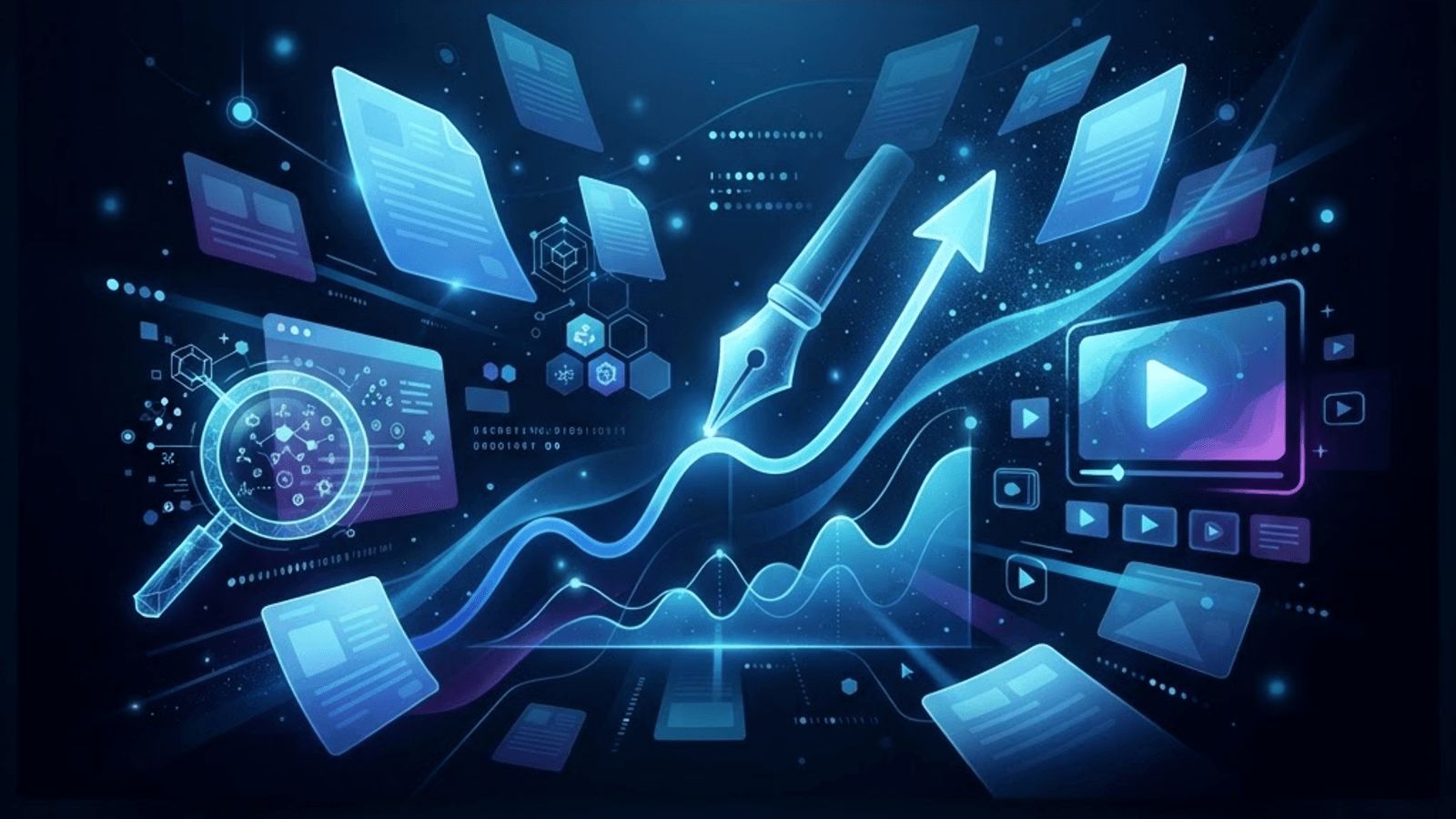
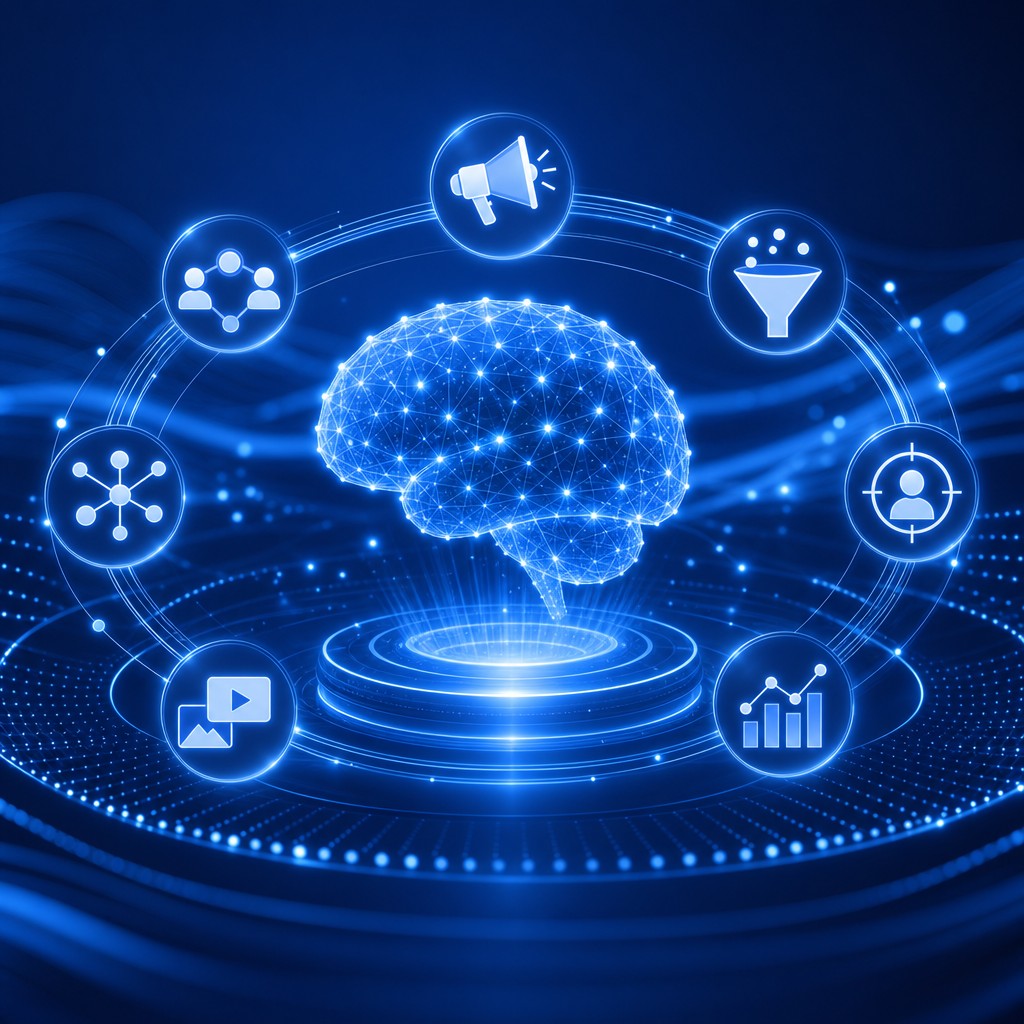
There is no denying that AI now touches nearly every part of marketing. Content creation tools draft articles, emails, and ad copy. Analytics platforms uncover insights from vast datasets in seconds. Personalization engines tailor experiences to individual users, and automated systems manage ad bidding and budget allocation continuously. Chatbots handle customer interactions around the clock, and predictive models forecast which leads are most likely to convert.
This pervasiveness is why the takeover narrative feels plausible. AI is involved in so many tasks that it can seem to be running the show. But involvement is not the same as control. In every case, AI executes within parameters set by humans and toward goals defined by human strategy. The technology is a capable engine, but people remain the drivers.
Why It Is Augmentation, Not a Takeover
The crucial distinction is that AI augments rather than replaces human marketers. It handles the heavy lifting of data processing and repetitive execution, but it cannot originate genuine strategy, understand cultural nuance, or build authentic emotional connection. A campaign's success still depends on human decisions about positioning, messaging, creativity, and brand values, decisions AI cannot make on its own.
Accountability further underscores this point. When a brand communicates with the public, navigates sensitive issues, or builds lasting relationships, responsibility must rest with a person. AI can suggest and execute, but it cannot own the outcome or the trust a brand earns. This keeps humans firmly in command, with AI serving as an extraordinarily capable assistant.
The Changing Role of the Marketer
While AI is not taking over, it is undeniably changing what marketers do. The most successful professionals are shifting from manual execution toward orchestration: directing AI tools, interpreting their outputs, and weaving everything into coherent strategies. They spend less time on repetitive tasks and more on creativity, planning, and relationship building, the areas where humans add the most value.
This evolution rewards those who develop AI fluency alongside enduring human skills. Learning to craft effective prompts, evaluate AI output critically, and combine automated efficiency with strategic creativity is now essential. Marketers who embrace this hybrid role find that AI expands their capabilities rather than diminishing their importance.
Preparing for an AI-Integrated Future
Brands and professionals should prepare for a future where AI is woven throughout marketing operations. This means investing in training, redesigning workflows to let humans focus on high-value work, and choosing tools that genuinely enhance results. It also means doubling down on authenticity and quality, because as AI-generated content multiplies, audiences increasingly reward brands that demonstrate real expertise and a distinct, human voice.
Those who view AI as a partner rather than a usurper will adapt most successfully. The goal is not to compete with AI but to direct it, using its speed and scale to deliver marketing that is both more efficient and more genuinely connected to human needs.
Conclusion
Is marketing being taken over by AI? Not in any meaningful sense. AI has become deeply embedded in marketing and now influences nearly every task, but it operates as a powerful tool guided by human strategy, creativity, and accountability. The discipline is being transformed, not conquered. Marketers who embrace AI as a collaborator, combining its capabilities with their own irreplaceable human strengths, will lead the profession forward. The future is not AI versus marketers, but marketers empowered by AI to achieve more than ever before.
Want your brand featured in front of decision-makers? Publish a guest post or get a link insertion in our guides through AAMAX's guest post and link insertion service.
Helpful Links
 SponsoredAAMAX — Full-Service Digital Agency
Write for Us
Share your expertise with our readers. We welcome guest contributions from industry specialists.
Pitch your idea