The rise of powerful AI tools has sparked widespread concern about whether AI is replacing marketing. From generating ad copy to managing entire campaigns, AI seems capable of doing work that once required teams of specialists. Yet the question deserves a careful answer. AI is profoundly changing how marketing is done, automating tasks and reshaping roles, but it is not replacing marketing as a function or marketers as professionals. Instead, it is becoming an indispensable assistant that amplifies human capability when used wisely.
How AAMAX.CO Combines AI and Marketing Talent
The strongest marketing results come from pairing smart technology with skilled people. AAMAX.CO is a full-service digital marketing company serving clients across the globe, and their team leverages AI to enhance every stage of digital marketing, from research and content to optimization and reporting. By letting AI accelerate the work while experienced marketers shape the strategy and creative direction, they help businesses achieve more without sacrificing the human touch that customers value.
What AI Excels at in Marketing
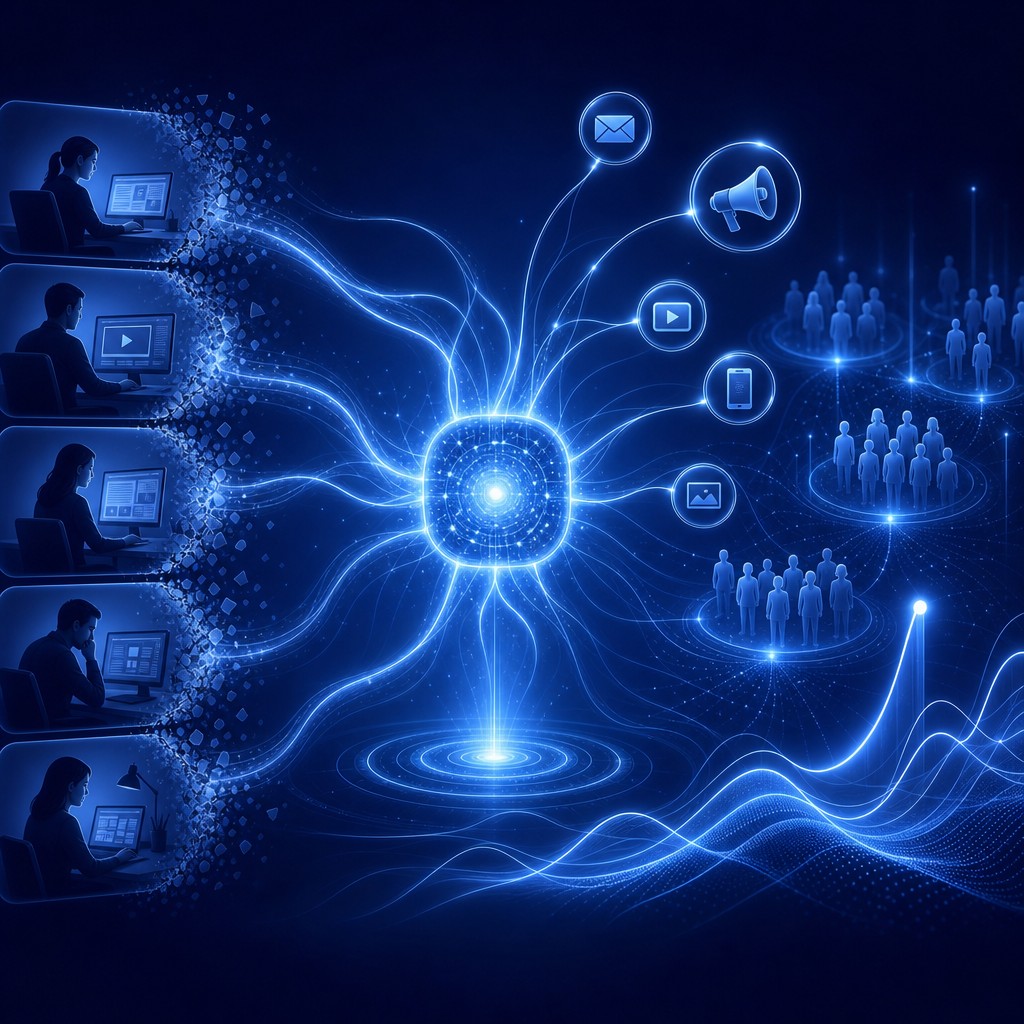
AI has become remarkably good at specific marketing tasks. It can sift through massive amounts of data to reveal trends, automate email and ad campaigns, generate variations of copy and visuals, personalize content for individual users, and optimize spending in real time. It powers chatbots that answer customer queries instantly and predictive models that identify promising leads. These strengths make AI an extraordinary productivity multiplier, capable of handling at scale what would overwhelm a human team.
The Human Elements AI Cannot Replicate
Marketing is ultimately about understanding and influencing people, and that is where human strengths remain irreplaceable. Crafting a compelling brand narrative, sensing cultural shifts, building trust, and connecting emotionally with an audience require empathy and creativity that AI cannot truly possess. Strategic decisions about positioning, values, and long-term vision demand human judgment. The spark of an original idea and the wisdom to know what will resonate come from people, not algorithms.
Redefining Marketing Roles
Rather than eliminating jobs outright, AI is redefining them. Routine and repetitive work is increasingly automated, while marketers move toward higher-value activities such as strategy, creativity, analysis, and relationship building. New roles are emerging around managing AI tools, interpreting data, and ensuring ethical and on-brand outputs. Marketers who learn to direct AI effectively become far more productive, accomplishing in hours what once took days. The profession is evolving, and adaptable marketers are thriving.
The Risks of Over-Relying on AI
Leaning too heavily on AI carries real dangers. Content produced without human oversight can become generic, repetitive, or off-brand, eroding the distinctiveness that makes a brand memorable. AI can also amplify bias, misread context, or chase the wrong metrics. Customers increasingly value authenticity, and audiences can sense when communication feels hollow or mechanical. Maintaining human involvement ensures marketing stays genuine, accurate, and aligned with the brand's deeper purpose.
Future-Proofing a Marketing Career
Marketers can secure their future by treating AI as a collaborator rather than a competitor. Mastering AI tools while strengthening creativity, strategic thinking, and emotional intelligence creates a powerful combination. Developing data literacy, staying curious about new technologies, and focusing on the irreplaceable human aspects of marketing all build lasting value. The professionals who blend technological fluency with human insight will lead the next era of marketing.
Building a Future-Ready Marketing Team
Organizations that want to thrive should focus on building teams that blend human talent with AI capability. This means investing in training so marketers become comfortable using AI tools and interpreting their outputs. It involves hiring for skills that complement automation, such as creativity, strategic thinking, and data analysis. It also requires establishing clear processes for human oversight, ensuring that AI-generated work is reviewed for quality, accuracy, and brand alignment. Leaders should foster a culture of experimentation, encouraging teams to test new tools while measuring real impact. A future-ready team views AI not as a replacement for its members but as an asset that elevates their work and frees them to focus on what humans do best.
Leadership plays a crucial role in this transition. When executives champion responsible AI adoption, set realistic expectations, and reassure their teams that automation is meant to empower rather than eliminate them, employees engage more openly with the technology. This trust accelerates learning and innovation, turning AI from a source of anxiety into a catalyst for growth and better marketing outcomes.
The Verdict
AI is not replacing marketing; it is transforming it into a faster, smarter, and more data-driven discipline while leaving its human heart intact. Automation handles the repetitive and analytical work, but strategy, creativity, and genuine connection remain the domain of people. The marketers and businesses that embrace AI as a tool, rather than fear it as a threat, will gain a decisive advantage. The future of marketing is a partnership between human ingenuity and machine intelligence, and that partnership is more powerful than either alone.
Want your brand featured in front of decision-makers? Publish a guest post or get a link insertion in our guides through AAMAX's guest post and link insertion service.
Helpful Links
 SponsoredAAMAX — Full-Service Digital Agency
Write for Us
Share your expertise with our readers. We welcome guest contributions from industry specialists.
Pitch your idea