From Siloed Reports to a Unified Funnel
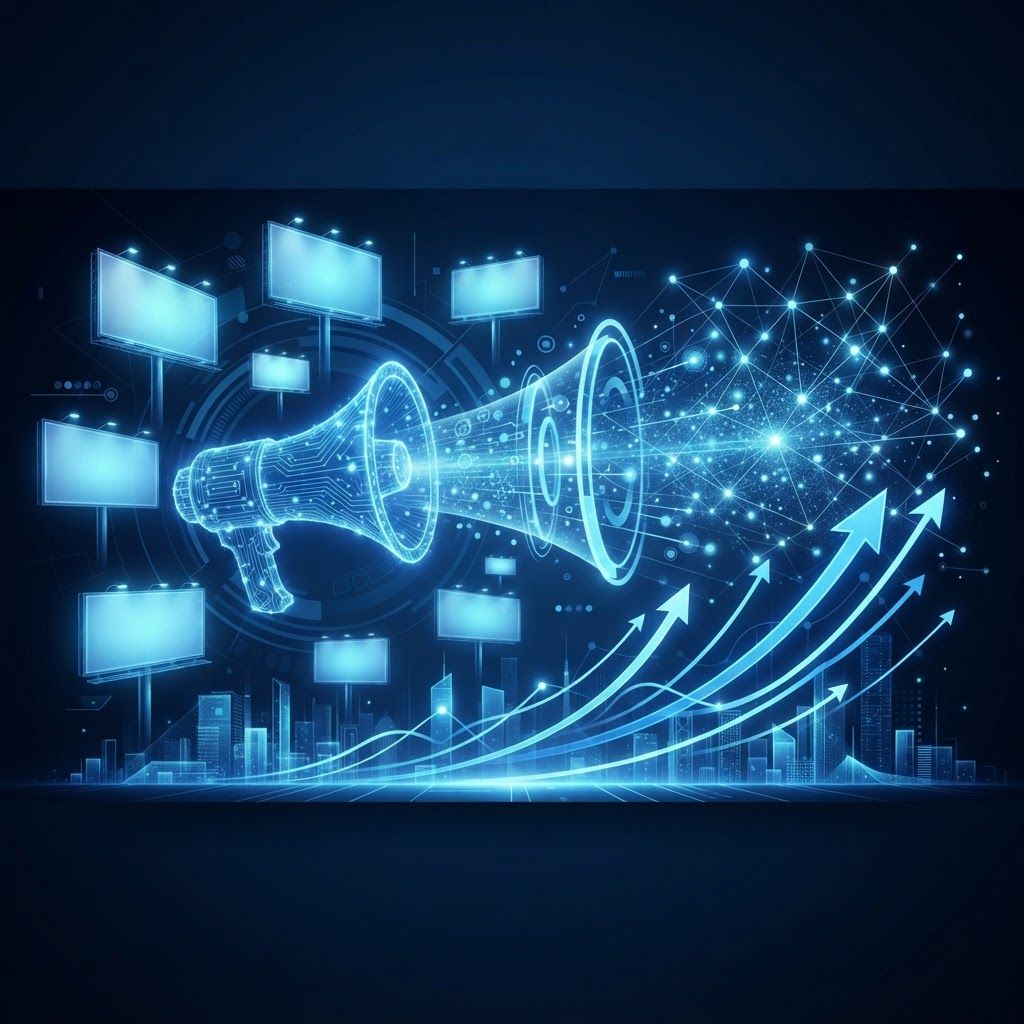
Marketing measurement is undergoing its biggest shift since the arrival of digital analytics. For years, teams measured success almost entirely through web analytics, focusing on sessions, bounce rates, and conversions that happened on their own properties. That model worked when search engines were the dominant gateway. Now, with AI assistants answering questions directly and recommending brands before a user ever clicks, an enormous slice of influence happens outside the website. To measure it, teams are adopting AI search analytics and learning to operate it side by side with their established web analytics.
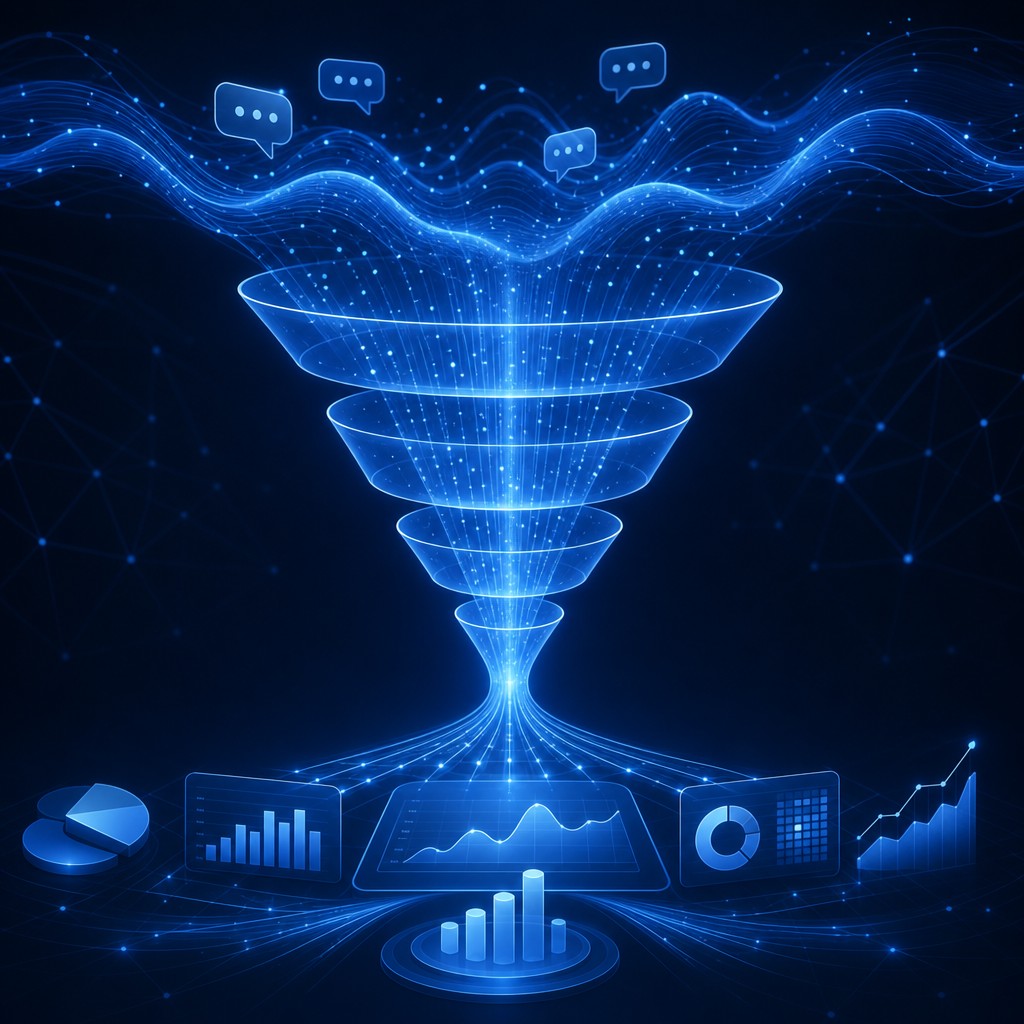
The objective is a unified funnel view. Instead of treating AI discovery and on-site behavior as separate worlds, leading teams connect them into a single narrative that follows the customer from their first AI-mediated impression all the way to conversion and retention. This article lays out the practical frameworks, metrics, and workflows that make that integration real.
How AAMAX.CO Helps Unify Your Analytics Stack
Integrating two distinct measurement disciplines is not trivial, and AAMAX.CO brings the strategic and technical depth to make it work. As a full-service digital marketing company serving clients worldwide, they help organizations set up AI visibility tracking, align it with web analytics goals, and build reporting that leadership can actually use. Their search engine optimization expertise ensures that the content powering both your traditional rankings and your AI citations is technically sound, authoritative, and built to perform across every discovery surface.
Understanding the Distinct Roles
To combine these tools effectively, teams must first respect what each does best. Web analytics is the system of record for on-site behavior. It tells you precisely what visitors do once they arrive, which content engages them, and which actions generate revenue. It is mature, granular, and trusted.
AI search analytics, by contrast, measures the conversational discovery layer. It tracks how often AI assistants mention your brand, the sentiment of those mentions, the sources assistants cite, and how you compare to competitors within AI answers. It is newer and requires deliberate data collection, but it illuminates a stage of the journey that web analytics simply cannot see. Recognizing this division of labor is the starting point for any successful integration.
The Metrics That Matter on Each Side
On the web analytics side, teams continue to monitor familiar indicators: organic and branded traffic, engagement rate, conversion rate, assisted conversions, and revenue by source. These remain the bedrock of performance measurement.
On the AI search side, teams track a complementary set: citation share, which measures how often assistants reference your brand for target prompts; share of voice against competitors; sentiment and accuracy of brand descriptions; and the authority of the sources assistants cite. When these two metric sets are viewed together, patterns emerge. A climbing citation share that coincides with rising branded search and direct traffic strongly suggests AI discovery is feeding the funnel, a connection neither data source could prove alone.
Building the Integrated Workflow
A practical integration starts with disciplined data collection. Teams run a fixed set of representative prompts through major AI assistants on a regular schedule, recording visibility and sentiment in a structured log. Simultaneously, they maintain clean web analytics with well-defined goals and consistent source tagging. The two streams then flow into a shared reporting layer where they can be compared over the same time periods.
The cadence matters. Because AI responses can vary, consistency in how and when prompts are tested makes trends reliable. Many teams pair monthly or biweekly AI audits with their standard web analytics reviews so the two data sets are always evaluated together. Over time, this rhythm produces a dependable record of how AI visibility and site performance move in relation to each other.
Connecting the Dots Between Discovery and Conversion
The strategic payoff comes from correlation analysis. By overlaying AI citation trends with branded search and direct traffic, teams can estimate how much of their top-of-funnel demand AI assistants are generating. When a content improvement boosts citation share and is followed by a measurable lift in branded sessions and conversions, the team has evidence that its AI optimization work pays off downstream.
This connected view also sharpens diagnosis. If AI assistants misrepresent a product and on-site visitors from branded search show confusion or high bounce rates, the team knows to fix the AI narrative first. Conversely, if AI-influenced visitors convert exceptionally well, the team prioritizes the content assistants cite most. Each data source makes the other more actionable.
Turning a Unified View Into Strategy
With both analytics disciplines working in concert, marketing strategy becomes more grounded and more forward-looking. Content teams know which topics to strengthen for AI visibility and which on-site experiences to refine for conversion. Leadership gets a single funnel view that connects emerging AI discovery to traditional revenue, making it easier to justify investment in both areas.
The brands that thrive in the coming years will be those that stop treating AI search and web analytics as separate concerns. By unifying them into one measurement practice, marketers gain a complete understanding of how customers find, evaluate, and choose them. With an experienced partner like AAMAX.CO to architect and maintain the integration, organizations can build a durable, data-driven advantage that spans the entire modern customer journey.
Want your brand featured in front of decision-makers? Publish a guest post or get a link insertion in our guides through AAMAX's guest post and link insertion service.
Helpful Links
 SponsoredAAMAX — Full-Service Digital Agency
Write for Us
Share your expertise with our readers. We welcome guest contributions from industry specialists.
Pitch your idea