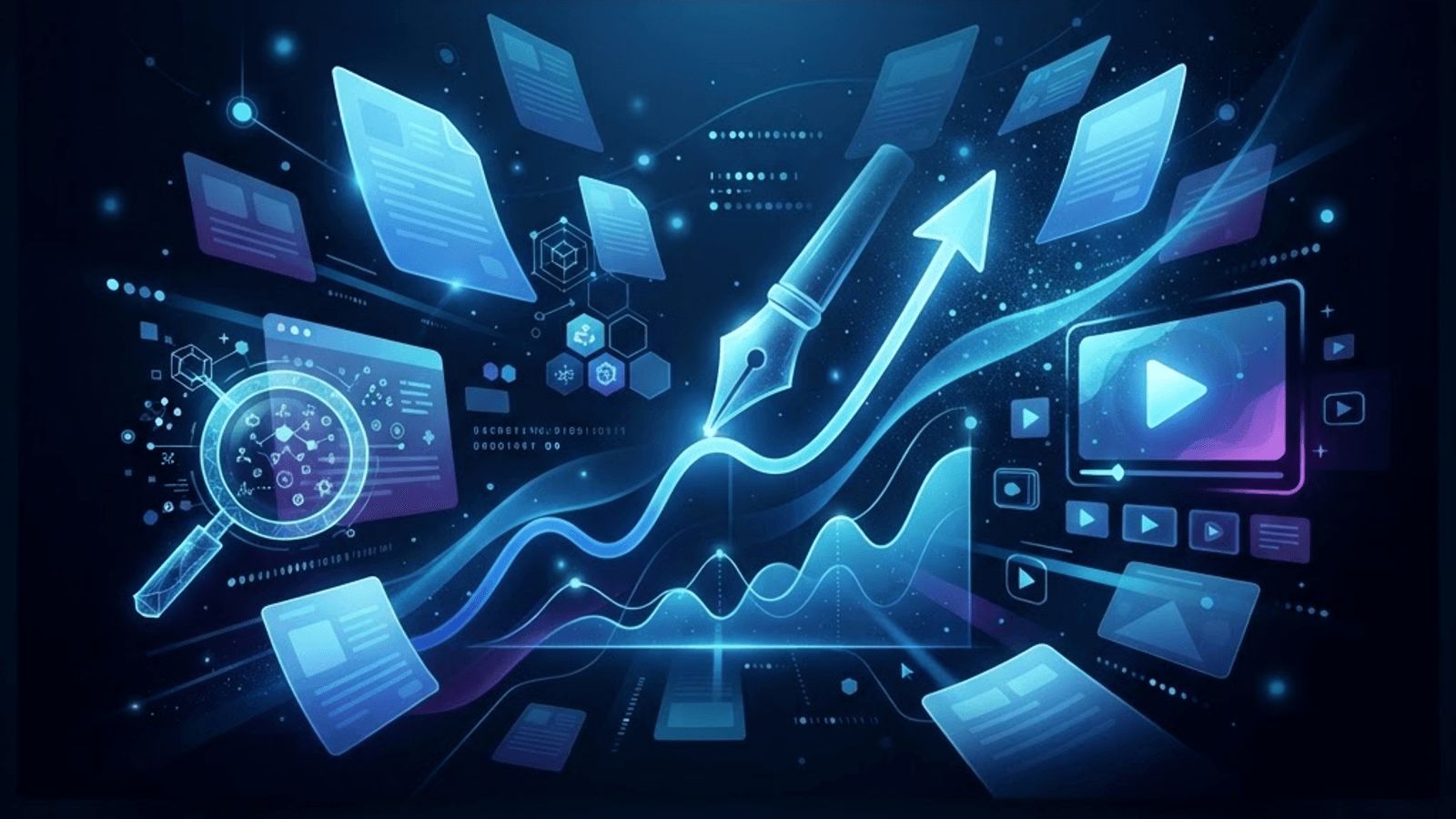
Generative artificial intelligence has rapidly become one of the most influential tools in modern marketing. Unlike traditional AI that primarily analyzes data, generative AI creates new content, from written copy and images to video concepts and personalized messages. This creative capability is transforming how marketing teams work, enabling them to produce more content faster and tailor experiences to individual customers at scale. Understanding how generative AI is used in marketing reveals both its tremendous potential and the importance of using it wisely.
Create Smarter Campaigns With AAMAX.CO
Harnessing generative AI effectively requires both creative vision and strategic discipline. AAMAX.CO is a full-service digital marketing company serving clients around the world, and they help businesses integrate generative AI into their marketing in meaningful ways. Their team combines cutting-edge tools with human expertise to produce content and campaigns that resonate. Through comprehensive digital marketing services, they ensure generative AI enhances creativity and efficiency without sacrificing the authenticity that builds genuine customer relationships.
Content Creation at Scale
The most prominent use of generative AI in marketing is content creation. AI tools can draft blog posts, social media captions, product descriptions, and email copy in moments. This dramatically accelerates production, allowing teams to maintain a steady flow of fresh content. While human editing remains essential for quality and brand voice, generative AI handles the time-consuming work of drafting and ideation, freeing marketers to focus on strategy and refinement.
Visual and Creative Asset Generation
Beyond text, generative AI creates images, graphics, and video concepts. Marketers can generate visuals for campaigns, social media, and advertisements without lengthy production processes. This capability is especially valuable for testing different creative approaches quickly and affordably. By producing multiple variations, teams can identify which visuals resonate most with their audiences, optimizing creative performance with unprecedented speed.
Personalized Messaging
Generative AI enables personalization at a scale previously impossible. It can craft individualized messages, recommendations, and offers tailored to each customer's preferences and behavior. This level of personalization makes communications feel relevant and human, even when reaching millions of people. Personalized messaging increases engagement, builds loyalty, and improves conversion rates, demonstrating generative AI's power to enhance the customer experience.
Campaign Ideation and Brainstorming
Marketing teams increasingly use generative AI as a brainstorming partner. It can suggest campaign concepts, taglines, themes, and creative angles, sparking ideas that humans might not have considered. This collaboration expands creative possibilities and accelerates the planning process. While the final strategic decisions remain with human marketers, AI serves as a valuable source of inspiration and a catalyst for innovation.
A/B Testing and Optimization
Generative AI excels at producing the many variations needed for effective testing. Marketers can generate multiple versions of headlines, copy, and creative assets, then test them to determine what performs best. This rapid iteration improves campaign effectiveness and provides valuable insights into audience preferences. The ability to create and test at scale makes optimization faster and more data-driven than ever before.
Enhancing Customer Interactions
Generative AI powers more natural and helpful customer interactions through advanced chatbots and virtual assistants. These tools can generate human-like responses, answer questions, and guide customers through their journey. As the technology improves, these interactions become increasingly sophisticated, providing personalized support that enhances satisfaction and frees human teams for more complex tasks.
Maintaining Quality and Authenticity
Despite its power, generative AI requires careful oversight. Content produced without human review can be generic, inaccurate, or off-brand. The most successful marketers treat generative AI as a tool to augment their work, not replace their judgment. They edit, refine, and add the human touch that makes content authentic and emotionally resonant. This balance is essential for maintaining quality and trust.
Ethical Considerations
Using generative AI responsibly involves transparency, accuracy, and respect for audiences. Marketers must ensure content is truthful, avoid misleading claims, and consider the ethical implications of AI-generated material. Being thoughtful about how and when to disclose AI involvement helps maintain trust. Responsible use ensures generative AI strengthens rather than undermines the relationship between brands and their customers.
Conclusion
Generative AI is used in marketing to create content, generate visuals, personalize messaging, brainstorm campaigns, and enhance customer interactions. These applications offer tremendous efficiency and creative potential, transforming how marketing teams operate. However, success depends on combining AI's capabilities with human oversight, creativity, and ethical responsibility. Brands that strike this balance will harness the full power of generative AI while maintaining the authenticity and trust that drive lasting success.
Want your brand featured in front of decision-makers? Publish a guest post or get a link insertion in our guides through AAMAX's guest post and link insertion service.
Helpful Links
 SponsoredAAMAX — Full-Service Digital Agency
Write for Us
Share your expertise with our readers. We welcome guest contributions from industry specialists.
Pitch your idea