The impact of artificial intelligence on the job market is one of the defining economic stories of our time. As AI systems grow more capable, they are changing what work looks like, who performs it, and how it is valued. The conversation often swings between fears of mass unemployment and optimism about new opportunities, but the truth lies somewhere in between. AI is a powerful force that displaces some work while creating other forms of it, and its ultimate impact depends heavily on how individuals and organizations choose to respond.
How AAMAX.CO Helps Businesses Stay Competitive
As the workforce and economy shift, businesses need to communicate their value clearly and reach the right audiences online. AAMAX.CO supports companies worldwide with digital marketing expertise and search engine optimization services that help them adapt to changing markets. Their team helps organizations strengthen their online presence, attract qualified leads, and remain visible to customers even as AI reshapes the industries in which they compete.
Displacement of Routine Work
AI excels at handling repetitive, predictable tasks, which means roles built primarily around such work are most exposed to automation. Data entry, basic bookkeeping, routine customer support, and certain administrative functions are increasingly handled by software. This displacement is real and can be disruptive for affected workers. However, it also removes some of the most monotonous aspects of work, opening the door for people to take on more engaging, strategic responsibilities if they are supported through the transition.
Job Creation in Emerging Fields
While AI eliminates some roles, it generates demand in others. The development, deployment, and maintenance of AI systems require skilled professionals, fueling growth in fields like data science, machine learning, and AI governance. Additionally, as businesses adopt AI, they need people to integrate the technology, interpret its outputs, and manage the change. New industries and services are emerging around AI, creating opportunities that did not exist before and offsetting some of the displacement occurring elsewhere.
Increased Productivity and Its Effects
One of AI's most significant impacts is the boost it provides to productivity. Workers equipped with AI tools can accomplish more in less time, whether they are writing code, analyzing data, or producing content. This increased output can lead to business growth, which in turn can create jobs. However, productivity gains can also allow companies to do more with fewer people, which underscores the importance of channeling these benefits into expansion and innovation rather than simply cutting costs.
Changing Hiring Practices
AI is also reshaping how companies hire. Recruiters use AI to screen resumes, identify candidates, and even conduct initial assessments. This can make hiring faster and more efficient, but it also raises concerns about bias and fairness that organizations must address carefully. For job seekers, understanding how AI-driven hiring works has become important, as has demonstrating the kinds of skills and experiences that algorithms and human recruiters alike are looking for.
The Widening Importance of Digital Skills
As AI becomes embedded in more workplaces, digital fluency is increasingly essential. Workers who understand how to use AI tools, interpret data, and adapt to new technologies have a clear advantage. This does not mean everyone needs to become a programmer, but a baseline comfort with technology and a willingness to learn are now important across nearly all professions. Those who develop these capabilities position themselves well for the evolving labor market.
The Need for Reskilling and Support
Managing AI's impact on employment requires investment in reskilling and worker support. Governments, educational institutions, and employers all have roles to play in helping people transition into new roles. Training programs, accessible education, and policies that ease the transition can make the difference between a workforce that thrives and one that is left behind. The organizations that invest in their people tend to retain talent and maintain morale through periods of change.
Shaping a Positive Outcome
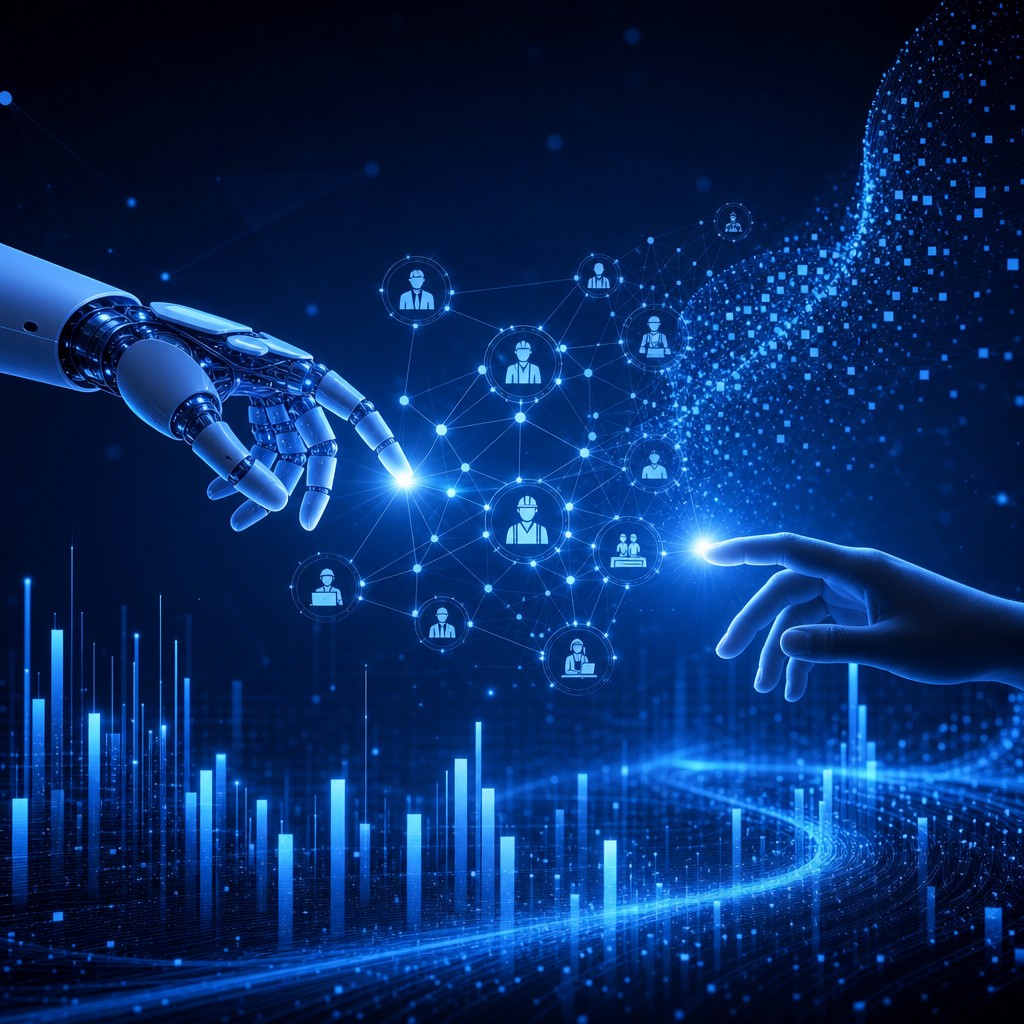
The impact of AI on the job market is not predetermined. With thoughtful planning, continuous learning, and a focus on human-AI collaboration, the technology can enhance livelihoods rather than diminish them. Workers who stay adaptable and proactive, and businesses that invest in their teams and embrace responsible innovation, are best positioned to benefit. AI is reshaping work, but with the right approach, that reshaping can lead to a more productive, fulfilling, and prosperous future for the workforce.
Want your brand featured in front of decision-makers? Publish a guest post or get a link insertion in our guides through AAMAX's guest post and link insertion service.
Helpful Links
 SponsoredAAMAX — Full-Service Digital Agency
Write for Us
Share your expertise with our readers. We welcome guest contributions from industry specialists.
Pitch your idea