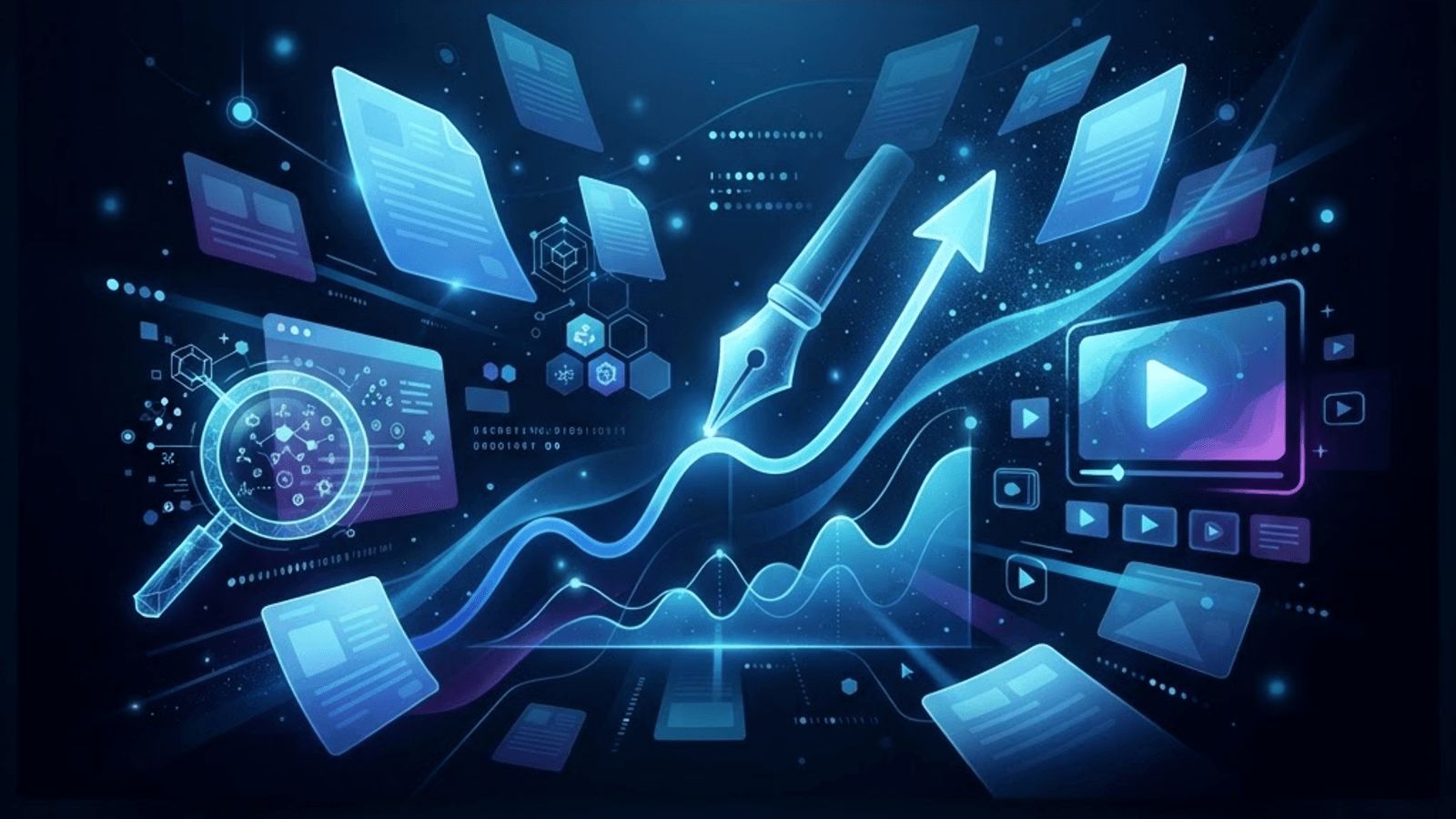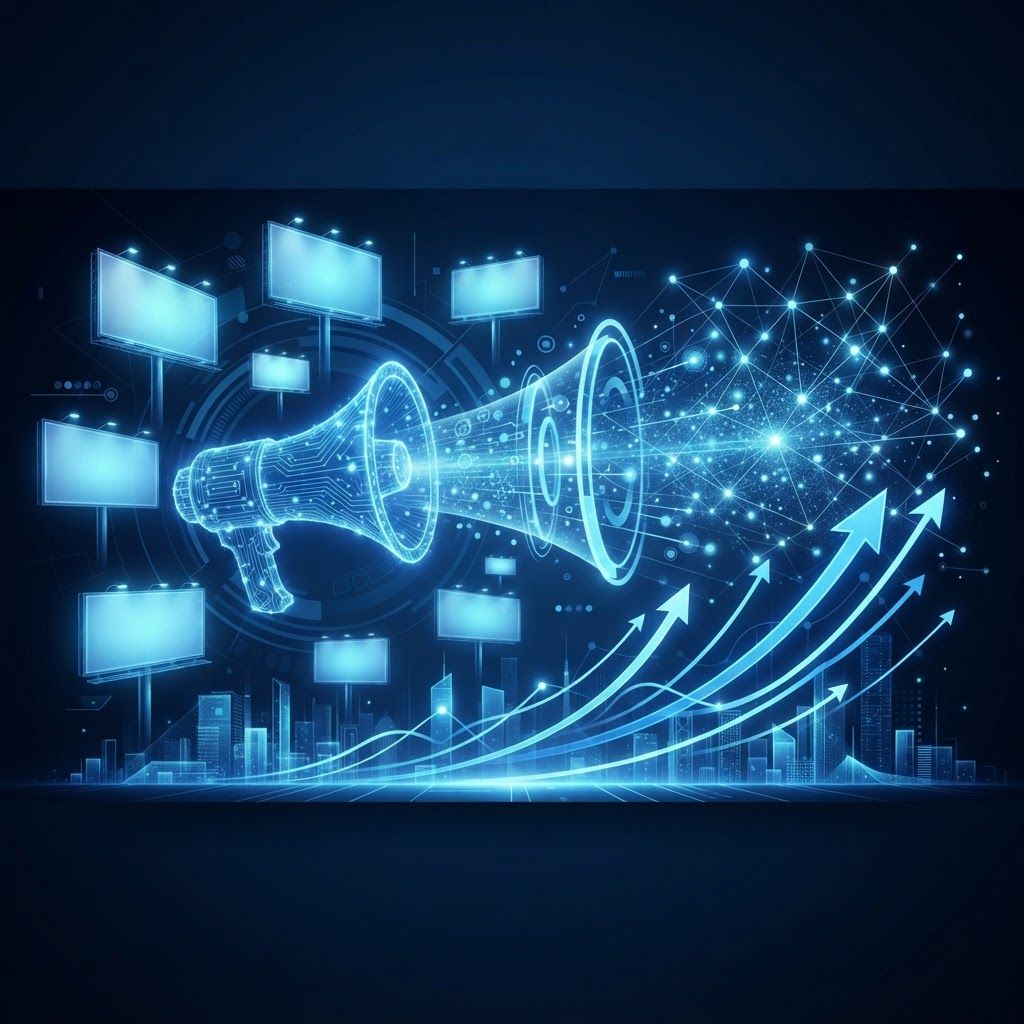
Artificial intelligence is no longer a distant possibility in marketing; it is a present-day reality affecting how brands operate every single day. From the moment a customer encounters an ad to the personalized follow-up they receive after a purchase, AI is working behind the scenes to make marketing smarter and more relevant. This ongoing transformation is reshaping strategies, redefining roles, and elevating customer expectations. Understanding how AI is affecting marketing right now helps businesses make informed decisions about how to adapt and thrive.
How AAMAX.CO Helps Brands Adapt to AI Marketing
As AI continues to reshape the marketing landscape, having a knowledgeable partner becomes invaluable, and AAMAX.CO fills that role expertly. As a full-service digital marketing company serving clients around the world, they help businesses integrate AI into their marketing strategies in practical, results-driven ways. Their team stays at the forefront of emerging technologies, applying AI to content, targeting, and optimization while preserving authentic brand connections. Through their digital marketing expertise, they ensure clients capitalize on AI's benefits without losing the human touch.
Real-Time Personalization
One of the most immediate effects of AI on marketing is real-time personalization. AI systems analyze customer behavior as it happens, adjusting content, recommendations, and offers instantly to match individual preferences. A visitor browsing a website might see different products, messages, or promotions based on their unique behavior. This dynamic personalization creates more relevant and engaging experiences, helping brands capture attention and drive conversions in moments that matter most to the customer.
Accelerating Creative Production
AI is changing how quickly and efficiently marketing creative is produced. Generative tools can draft copy, generate images, and suggest design concepts in seconds, dramatically shortening production timelines. This enables marketers to experiment with more ideas, respond to trends faster, and maintain a consistent presence across channels. While human creativity remains essential for strategy and emotional resonance, AI handles the heavy lifting, allowing creative teams to focus on the elements that truly differentiate a brand.
Smarter Customer Insights
AI is giving marketers a deeper understanding of their customers than ever before. By processing data from countless touchpoints, AI uncovers insights about preferences, behaviors, and motivations that would otherwise remain hidden. These insights inform everything from product development to messaging and campaign timing. Marketers can now anticipate customer needs and craft strategies that genuinely resonate, moving beyond guesswork to a more precise, evidence-based approach to understanding their audiences.
Automating Marketing Workflows
Marketing involves many repetitive tasks, and AI is automating them at scale. From scheduling social media posts and managing email campaigns to optimizing ad spend and segmenting audiences, AI handles routine work efficiently and accurately. This automation frees marketers to concentrate on strategy and creativity while ensuring campaigns run smoothly around the clock. The efficiency gains are substantial, allowing teams to accomplish more without proportionally increasing their resources or workload.
Changing How Customers Discover Brands
AI is reshaping the discovery process as consumers increasingly rely on AI assistants and AI-enhanced search to find products and services. This shift means brands must ensure they are visible within these new discovery channels. Adopting generative engine optimization helps businesses position their content to be referenced and recommended by AI systems. As discovery continues to evolve, staying visible in AI-driven experiences becomes a critical component of any marketing strategy.
Elevating Customer Expectations
As AI enables more personalized and responsive marketing, customer expectations are rising accordingly. Consumers now expect brands to understand their preferences, respond instantly, and deliver relevant experiences across every channel. Meeting these expectations requires ongoing investment in AI capabilities and a commitment to using them thoughtfully. Brands that rise to the challenge build stronger relationships and loyalty, while those that fall short risk losing customers to more responsive competitors.
Conclusion
AI is affecting marketing in profound and immediate ways, from real-time personalization and faster creative production to deeper insights and automated workflows. These changes are making marketing more effective while raising expectations for relevance and responsiveness. The brands that succeed will be those that embrace AI as a tool to enhance, not replace, human creativity and connection. With the right guidance, businesses can navigate this transformation confidently and emerge stronger.
Want your brand featured in front of decision-makers? Publish a guest post or get a link insertion in our guides through AAMAX's guest post and link insertion service.
Helpful Links
 SponsoredAAMAX — Full-Service Digital Agency
Write for Us
Share your expertise with our readers. We welcome guest contributions from industry specialists.
Pitch your idea