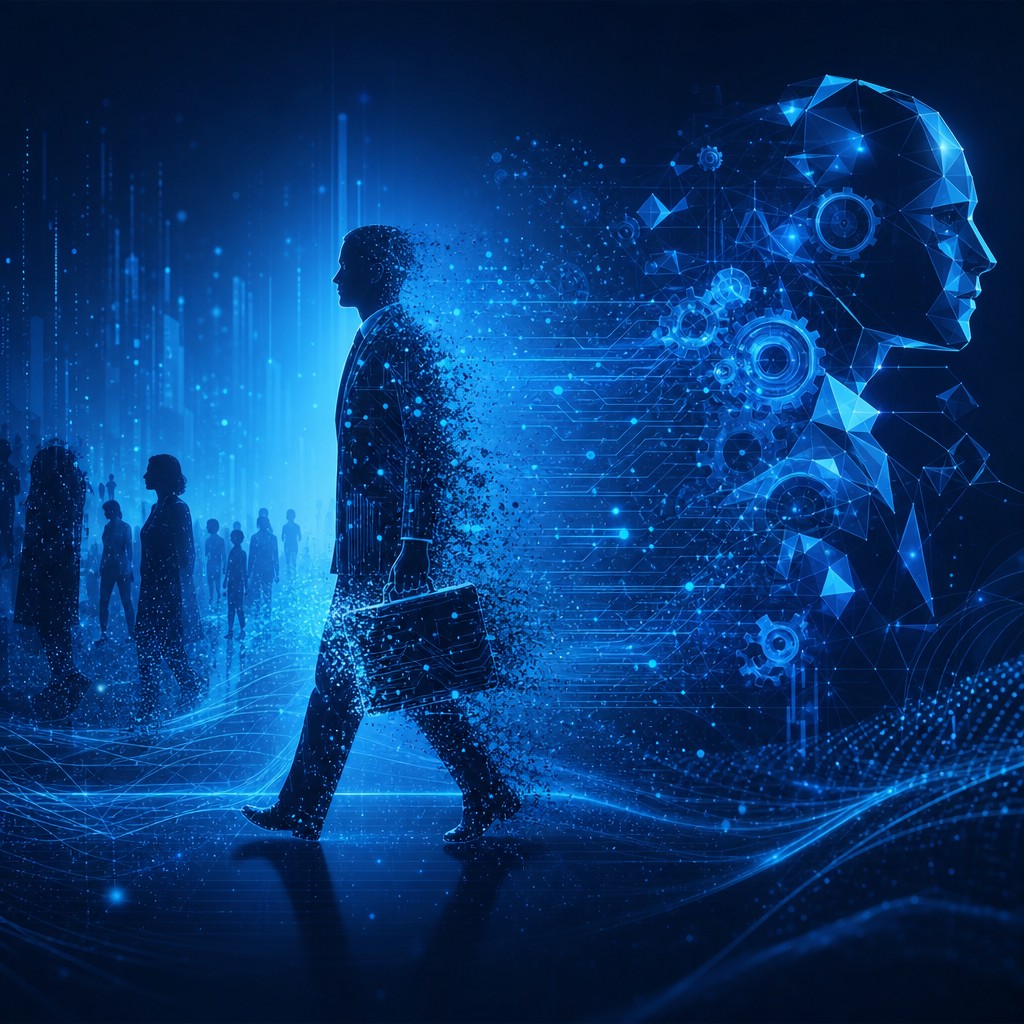
Artificial intelligence has become one of the most powerful forces reshaping the global job market. Its influence reaches far beyond the technology sector, touching manufacturing, finance, healthcare, retail, and creative industries alike. While headlines often focus on automation eliminating jobs, the reality is more nuanced. AI is simultaneously displacing certain tasks, augmenting human capabilities, and creating entirely new categories of work. Understanding this dynamic is essential for workers planning their careers and for businesses building their workforces.
How AAMAX.CO Helps Businesses Navigate the AI Shift
Companies adapting to an AI-influenced economy often need help building a modern digital presence and reaching talent and customers online. AAMAX.CO supports organizations worldwide with services that span digital marketing and website development, helping them position themselves competitively as their industries evolve. Their team understands how AI is changing the way businesses operate and can help leaders communicate their value, attract the right audiences, and build the digital infrastructure needed to thrive in a rapidly shifting market.
Automation of Routine and Repetitive Tasks
The most immediate impact of AI has been the automation of repetitive, rule-based tasks. Data entry, basic customer service, scheduling, and routine document processing can now be handled by intelligent software. This has reduced demand for some entry-level administrative roles, but it has also freed workers from tedious work, allowing them to focus on higher-value activities that require judgment, creativity, and interpersonal skills. The challenge for many organizations is helping affected employees transition into these more strategic roles.
The Creation of New Roles and Industries
History shows that technological revolutions destroy some jobs while creating others, and AI is no exception. Demand has surged for machine learning engineers, data scientists, AI ethicists, prompt engineers, and automation specialists. Beyond technical roles, businesses need people who can manage AI tools, interpret their outputs, and integrate them into existing workflows. Entirely new job titles that did not exist a few years ago are now common, and this trend will continue as AI adoption deepens across industries.
Augmentation Rather Than Replacement
For most knowledge workers, AI functions as a powerful assistant rather than a replacement. Lawyers use AI to review contracts faster, doctors use it to analyze medical images, and marketers use it to generate campaign ideas. In these cases, AI handles the heavy lifting of data processing while humans provide the final judgment and accountability. This augmentation model often increases productivity and job satisfaction, as professionals spend less time on grunt work and more on the meaningful parts of their roles.
The Shifting Demand for Skills
As AI reshapes the workplace, the skills employers value are changing. Technical literacy, data fluency, and the ability to work alongside AI tools are increasingly important. At the same time, uniquely human skills such as critical thinking, emotional intelligence, creativity, and complex problem-solving are becoming more valuable, not less. Workers who combine domain expertise with AI proficiency are well positioned to thrive, while those who refuse to adapt may find their options narrowing.
Impact Across Different Sectors
The effects of AI vary significantly by industry. In manufacturing, robotics and AI-driven quality control have changed factory floors. In finance, algorithms handle trading and fraud detection. In creative fields, generative tools assist with design and writing. Some sectors face more disruption than others, but nearly every industry is experiencing some degree of transformation. Geographic and economic factors also play a role, with the impact felt differently in developed and developing economies.
Preparing the Workforce for the Future
Reskilling and upskilling have become critical priorities for governments, businesses, and individuals. Lifelong learning is no longer optional; it is essential for staying relevant. Employers that invest in training their teams to work with AI tend to retain talent and maintain productivity, while workers who proactively develop new skills protect their careers. Educational institutions are also adapting curricula to prepare students for a labor market in which collaboration with AI is the norm.
Looking Toward a Balanced Future
The long-term impact of AI on the job market will depend on how societies choose to manage the transition. With thoughtful policy, investment in education, and a focus on human-AI collaboration, AI can boost productivity and create prosperity rather than widespread unemployment. The technology is a tool, and its effect on jobs is ultimately shaped by human decisions. Workers and businesses that embrace adaptability, continuous learning, and strategic use of AI will find opportunity in the disruption rather than just risk.
Want your brand featured in front of decision-makers? Publish a guest post or get a link insertion in our guides through AAMAX's guest post and link insertion service.
Helpful Links
 SponsoredAAMAX — Full-Service Digital Agency
Write for Us
Share your expertise with our readers. We welcome guest contributions from industry specialists.
Pitch your idea