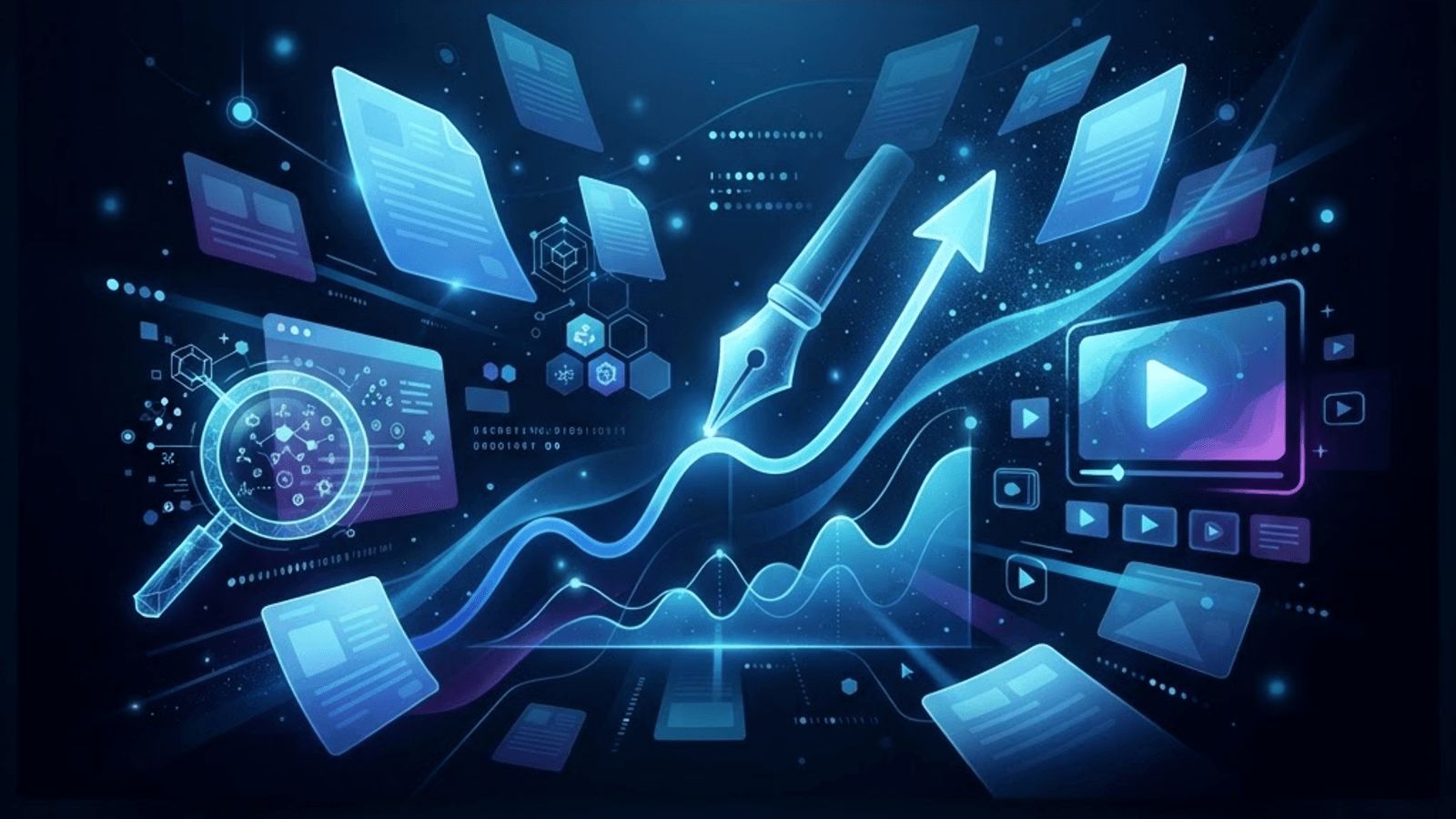
Artificial intelligence has moved from a futuristic buzzword to an everyday tool that powers nearly every part of the marketing funnel. From the way brands discover audiences to how they personalize messages and measure return on investment, AI has rewritten the playbook. Marketers who once relied on intuition and broad demographic targeting now have access to predictive models, real-time data, and automation that can execute thousands of micro-decisions per second. The result is a discipline that is faster, more precise, and more accountable than ever before.
Partnering With AAMAX.CO for AI-Driven Marketing
For businesses that want to harness these changes without building an in-house data science team, AAMAX.CO offers full-service support tailored to the AI era. They help brands implement intelligent campaign strategies, integrate automation tools, and align creative output with measurable performance goals. Because they operate as a worldwide digital marketing partner, they can guide teams of any size through the transition from traditional tactics to AI-enhanced workflows, ensuring the technology serves real business outcomes rather than becoming an expensive distraction.
Smarter Audience Targeting and Segmentation
One of the earliest and most profound impacts of AI on marketing has been in audience targeting. Machine learning models can analyze behavioral signals, purchase history, browsing patterns, and engagement data to build dynamic audience segments that update in real time. Instead of grouping people into rigid categories, marketers can now reach micro-segments defined by intent and likelihood to convert. This precision reduces wasted ad spend and improves the relevance of every touchpoint, which in turn boosts engagement and customer satisfaction.
Personalization at Scale
Personalization used to mean inserting a first name into an email. Today, AI enables true one-to-one experiences across channels. Recommendation engines suggest products based on individual behavior, dynamic websites rearrange content to match visitor interests, and email platforms send messages at the exact moment each subscriber is most likely to open them. This level of personalization, delivered to millions of customers simultaneously, would be impossible without AI. Brands that embrace it see higher conversion rates and stronger loyalty because customers feel understood rather than marketed to.
Content Creation and Creative Assistance
Generative AI has dramatically accelerated content production. Marketers use AI tools to draft blog posts, generate ad variations, write product descriptions, and even produce images and video. While human oversight remains essential for quality and brand alignment, these tools eliminate the blank-page problem and free creative teams to focus on strategy and storytelling. A/B testing has also evolved, with AI generating dozens of headline and copy variations and automatically promoting the best performers.
Predictive Analytics and Smarter Decisions
Perhaps the most strategically valuable change is the rise of predictive analytics. AI models can forecast customer lifetime value, anticipate churn, and identify which leads are most likely to convert. Marketers can allocate budgets toward the channels and campaigns the data predicts will perform best, rather than waiting for results to come in after the fact. This shift from reactive to proactive decision-making allows organizations to stay ahead of trends and respond to market changes with confidence.
Automation and Operational Efficiency
Marketing automation has matured well beyond scheduled email sequences. AI now manages bid strategies in paid advertising, optimizes send times, routes leads to the right sales representatives, and powers chatbots that handle customer inquiries around the clock. By automating repetitive tasks, teams reclaim hours that can be reinvested in creative and strategic work. The efficiency gains are significant, especially for lean teams competing against larger organizations.
Challenges and Responsible Use
The transformation is not without challenges. Privacy regulations, data quality concerns, and the risk of over-automation all require careful management. Customers expect transparency about how their data is used, and brands that mishandle this trust face reputational damage. The most successful marketers treat AI as a powerful assistant rather than a replacement for human judgment, combining the efficiency of machines with the empathy and creativity that only people can provide.
The Road Ahead
AI will continue to evolve, and so will the marketing strategies built around it. Voice search, conversational commerce, and increasingly sophisticated generative tools promise to reshape the landscape again in the coming years. The brands that thrive will be those that stay curious, experiment responsibly, and partner with experts who understand both the technology and the fundamentals of good marketing. AI has not replaced the marketer; it has elevated the role, demanding more strategy, more creativity, and a sharper focus on the customer than ever before.
Want your brand featured in front of decision-makers? Publish a guest post or get a link insertion in our guides through AAMAX's guest post and link insertion service.
Helpful Links
 SponsoredAAMAX — Full-Service Digital Agency
Write for Us
Share your expertise with our readers. We welcome guest contributions from industry specialists.
Pitch your idea