AI marketing has become a defining feature of modern digital strategy, but many people still wonder what actually happens behind the scenes. How do these systems analyze audiences, personalize messages, and optimize campaigns automatically? Understanding how AI marketing works demystifies the technology and reveals why it has become so essential for businesses seeking to compete and grow.
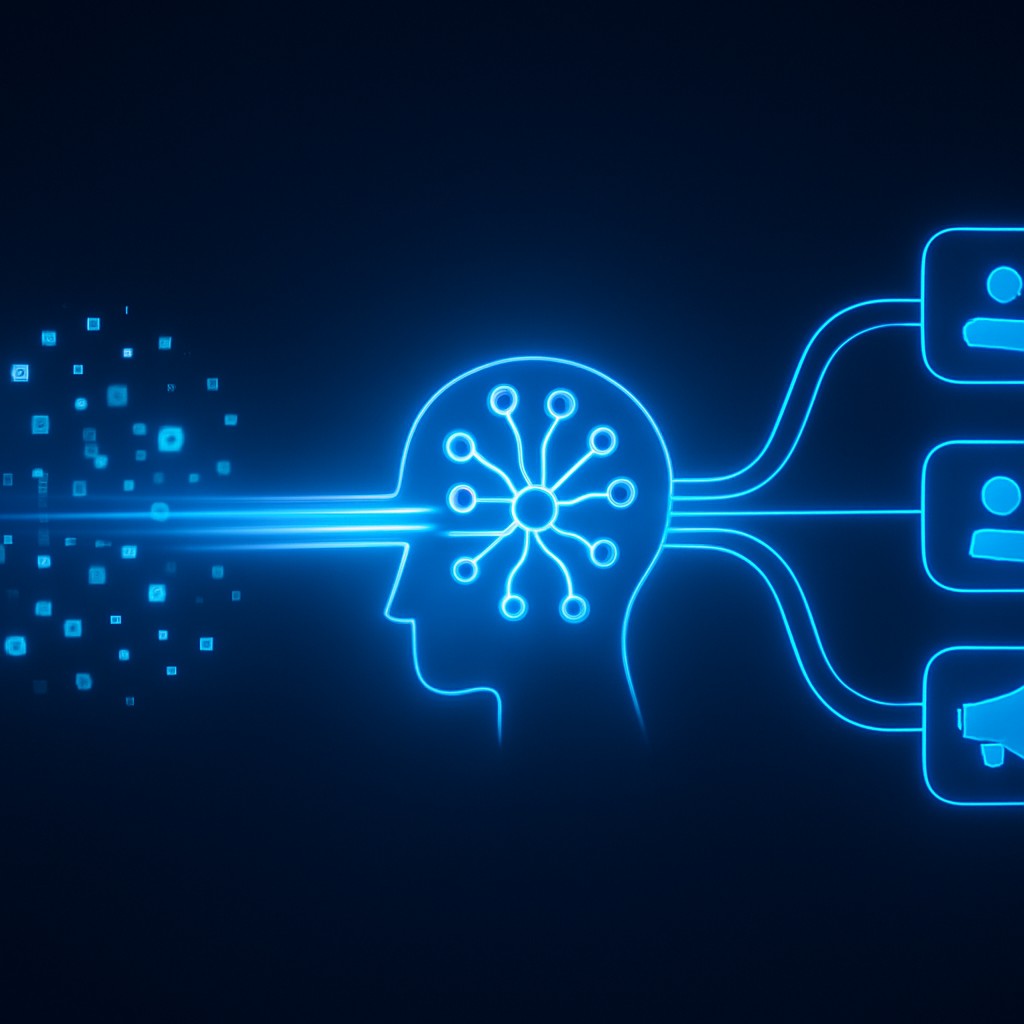
At its foundation, AI marketing combines three key elements: data, machine learning, and automation. Data provides the raw material, machine learning extracts insights and makes predictions, and automation puts those insights into action. Together, these components enable marketing that is more intelligent, personalized, and efficient than ever before.
How AAMAX.CO Makes AI Marketing Work for You
Understanding how AI marketing works is valuable, but implementing it effectively requires expertise. AAMAX.CO is a full-service digital marketing company that helps businesses worldwide put AI marketing into practice. Their team brings together the data, tools, and strategy needed to build campaigns that learn and improve, offering services including digital marketing and AI-driven optimization. By partnering with them, businesses can harness the power of AI marketing without having to navigate its complexity alone.
It Starts With Data
Every AI marketing system begins with data. This includes information about customers, their behaviors, preferences, purchase history, and interactions across channels. The more comprehensive and accurate this data, the better the AI can understand audiences and make smart decisions. Data is collected from sources like websites, apps, email platforms, social media, and customer relationship systems.
This data is then cleaned, organized, and unified into profiles that give a complete picture of each customer. This foundation allows AI to recognize patterns and relationships that inform every subsequent step in the marketing process.
Machine Learning Finds Patterns
Once data is collected, machine learning algorithms analyze it to identify patterns and insights. These algorithms learn from historical data, recognizing what types of customers tend to convert, which messages drive engagement, and how different factors influence outcomes. Over time, the system becomes increasingly accurate as it processes more information.
This pattern recognition enables capabilities like audience segmentation, predictive scoring, and recommendation engines. The AI can predict which customers are most likely to buy, which are at risk of leaving, and what content will resonate with each segment. These predictions guide marketing decisions with a precision that manual analysis cannot match.
Personalization at Scale
Using the insights generated by machine learning, AI marketing delivers personalized experiences to each customer. Rather than sending the same message to everyone, the system tailors content, offers, and timing to individual preferences and behaviors. This happens automatically and at scale, allowing businesses to personalize for thousands or millions of customers simultaneously.
This personalization makes marketing feel relevant and timely. Customers receive messages that align with their interests and needs, which increases engagement, builds trust, and drives conversions. The ability to personalize at scale is one of the most powerful advantages of AI marketing.
Automation Puts Insights Into Action
AI marketing relies on automation to execute strategies efficiently. Once the system determines the best message, audience, and timing, it delivers campaigns automatically across channels. This includes sending emails, displaying ads, posting content, and triggering follow-up actions based on customer behavior.
Automation ensures that marketing runs consistently and responds to customer actions in real time. When a customer takes a specific action, the system can immediately deliver a relevant follow-up, creating a responsive and seamless experience without manual intervention.
Continuous Learning and Optimization
One of the defining features of AI marketing is its ability to improve over time. The system continuously monitors performance, learns from results, and adjusts strategies to achieve better outcomes. It tests variations, identifies what works best, and reallocates resources toward the most effective approaches.
This ongoing optimization means campaigns become more effective the longer they run. The AI is always learning, always refining, and always working to maximize results, which translates into a stronger return on marketing investment.
Conclusion
AI marketing works by combining data, machine learning, and automation to deliver smarter, more personalized, and more efficient campaigns. From collecting and analyzing data to personalizing experiences and continuously optimizing performance, each component plays a vital role in driving results. Businesses that understand and embrace AI marketing, especially with the support of experienced specialists, can unlock powerful advantages and achieve sustainable growth in a competitive marketplace.
Want your brand featured in front of decision-makers? Publish a guest post or get a link insertion in our guides through AAMAX's guest post and link insertion service.
Helpful Links
 SponsoredAAMAX — Full-Service Digital Agency
Write for Us
Share your expertise with our readers. We welcome guest contributions from industry specialists.
Pitch your idea