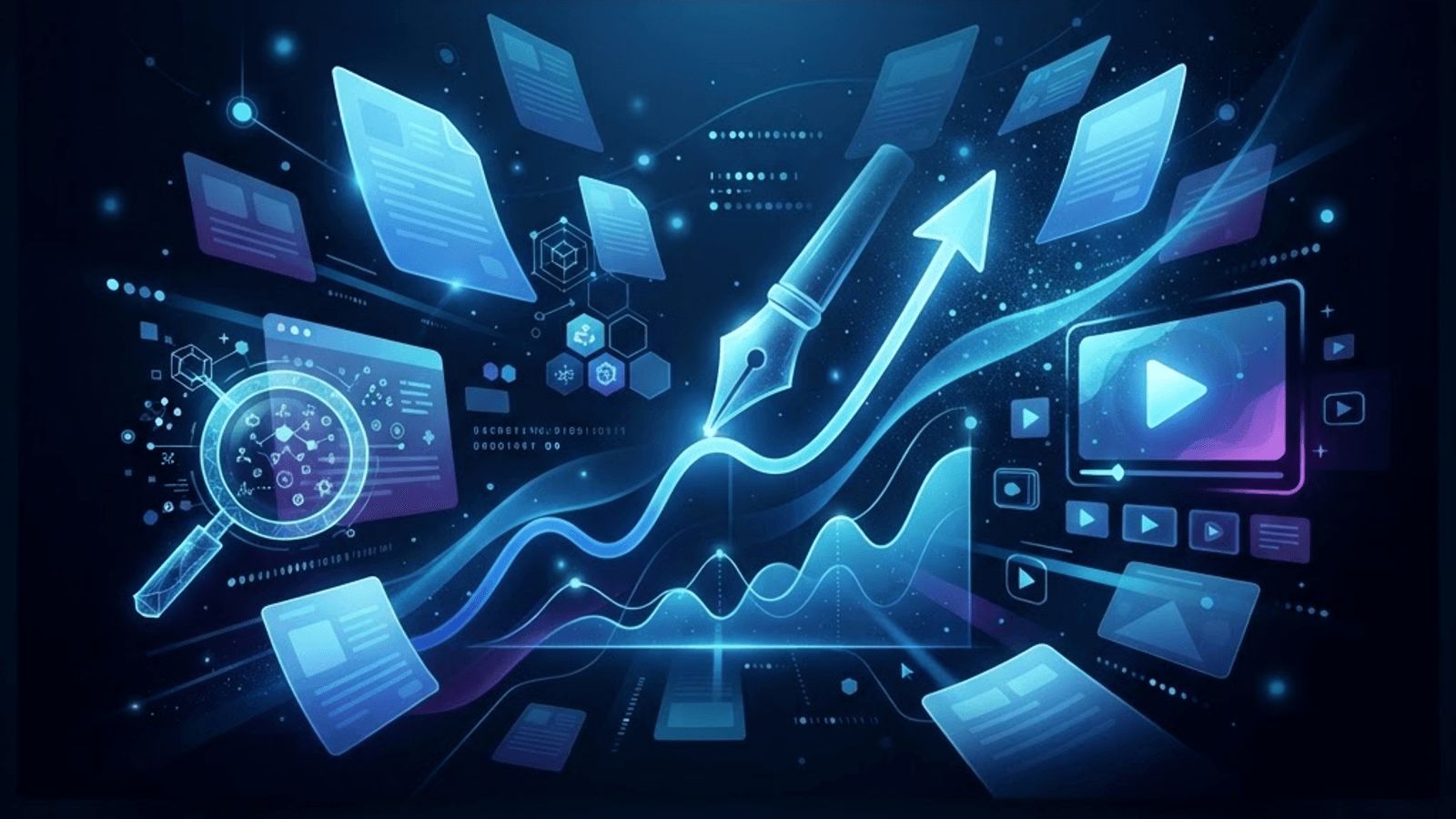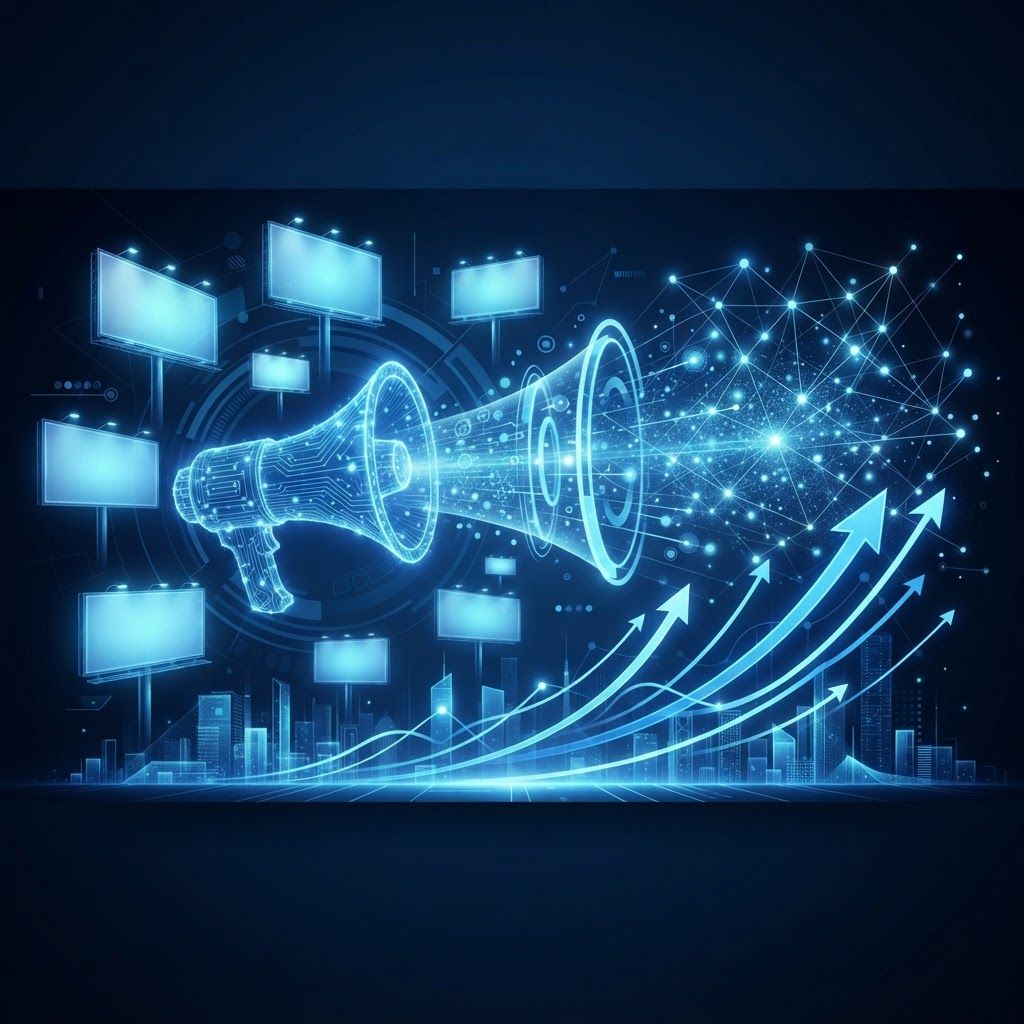
Artificial intelligence is no longer a peripheral tool in marketing; it has become a transformative force reshaping the entire discipline. From how campaigns are conceived to how results are measured, AI is changing the fundamental ways marketers work and think. This impact extends beyond efficiency gains, altering the balance between human creativity and machine capability, raising new ethical questions, and redefining what customers expect from brands. Understanding this broad impact is essential for any business that wants to stay relevant. This article explores how AI is changing marketing across strategy, creativity, customer relationships, and measurement, and what it signals about the future.
How AAMAX.CO Helps You Navigate the Shift
Adapting to an AI-driven marketing landscape requires both vision and execution. AAMAX.CO is a full-service digital marketing company that helps businesses worldwide embrace AI while staying grounded in proven strategy. Their team offers expert search engine optimization and broader marketing services that help brands evolve with the technology, turning disruption into a competitive advantage rather than a threat.
Transforming Marketing Strategy
AI has shifted marketing strategy from intuition-based planning to data-driven decision making. In the past, marketers relied heavily on experience and assumptions. Today, AI analyzes vast datasets to reveal what customers actually want and how they behave, allowing strategies to be built on evidence. This shift means strategies can be more precise, more responsive, and more adaptable. AI also enables predictive planning, helping marketers anticipate trends and shifts in demand before they fully materialize. As a result, strategy has become a continuous, dynamic process rather than a fixed annual plan.
Redefining Creativity
One of the most debated impacts of AI is on creativity. Generative AI tools can now produce written content, images, video, and design at remarkable speed. This raises an important question: does AI diminish human creativity or amplify it? In practice, AI serves as a creative collaborator. It handles repetitive production tasks, generates ideas to spark inspiration, and creates variations for testing. This frees human marketers to focus on big-picture vision, emotional storytelling, and brand strategy. The most powerful creative work emerges when human imagination directs AI's productive capacity rather than competing with it.
Changing Customer Relationships
AI has fundamentally altered how brands relate to customers. Personalization, once a luxury, is now standard, with AI enabling tailored experiences for every individual. Customers increasingly expect brands to understand their needs and respond instantly. This raises the bar for engagement. The impact shows up in several ways:
- Instant, always-available support through AI chatbots
- Hyper-relevant recommendations and content
- Proactive outreach based on predicted needs
- Seamless experiences across every channel
These capabilities deepen relationships when used well, but they also mean customers have little patience for generic, impersonal marketing.
Revolutionizing Measurement and Analytics
Measurement has always been central to marketing, and AI has revolutionized it. Marketers can now track and analyze customer journeys in far greater detail, understanding which touchpoints truly drive results. AI-powered attribution models reveal the real impact of each channel, replacing crude last-click measurement. Real-time analytics allow teams to adjust campaigns instantly rather than waiting for post-campaign reports. This deeper visibility helps marketers allocate budgets more effectively and prove the value of their work with greater confidence than ever before.
Lowering Barriers and Increasing Competition
AI has democratized sophisticated marketing capabilities. Tools that were once available only to large enterprises with big budgets are now accessible to small businesses. This levels the playing field, allowing smaller players to compete on relevance and personalization. However, it also intensifies competition, since everyone has access to similar tools. The brands that stand out are those that combine AI capabilities with distinctive creativity, authentic brand voice, and genuine customer understanding. Technology alone is no longer a differentiator; how it is applied makes the difference.
Raising New Ethical Considerations
The growing power of AI brings important ethical responsibilities. Data privacy is a major concern, as personalization depends on collecting and analyzing customer information. Marketers must be transparent about data use and respect customer consent. There are also concerns about bias in AI systems, the authenticity of AI-generated content, and the risk of over-automation that erodes the human touch. Responsible marketers treat these issues seriously, using AI in ways that build trust rather than undermine it. Ethical use is increasingly a competitive advantage as customers grow more conscious of how their data is handled.
Preparing for the Future
The impact of AI on marketing is still unfolding, and the pace of change continues to accelerate. Future developments will likely include even more sophisticated personalization, deeper integration across channels, and new creative possibilities. Marketers who thrive will be those who stay curious, continuously learn, and adapt their skills. The role of the marketer is evolving from executor of tasks to director of intelligent systems, blending human strategy with machine capability. AI's impact on marketing is profound and far-reaching, reshaping strategy, creativity, relationships, and measurement. Those who embrace it thoughtfully, while preserving human judgment and ethics, will define the next era of successful marketing.
Want your brand featured in front of decision-makers? Publish a guest post or get a link insertion in our guides through AAMAX's guest post and link insertion service.
Helpful Links
 SponsoredAAMAX — Full-Service Digital Agency
Write for Us
Share your expertise with our readers. We welcome guest contributions from industry specialists.
Pitch your idea