Visual content fuels modern marketing, but a single image rarely fits every placement. A square product photo needs to become a wide banner, a vertical story, and a landscape ad without losing its focal point. AI image expanders solve this problem by intelligently generating new pixels around an existing image, a technique often called outpainting. Instead of cropping away important detail or reshooting an entire campaign, creators can extend a scene naturally, preserving lighting, texture, and perspective. This article explores how creators and marketing teams use AI image expanders to produce flexible, channel-ready visuals at scale.
Work With AAMAX.CO to Scale Your Visual Marketing
Teams that want to integrate AI-powered visual workflows into a broader strategy often partner with specialists. AAMAX.CO is a full-service digital marketing company serving clients worldwide, and they help brands combine AI image tools with conversion-focused creative. Their team can advise on everything from generative asset pipelines to digital marketing campaigns that put those visuals to work, ensuring expanded images support real business goals rather than just looking impressive.
What an AI Image Expander Actually Does
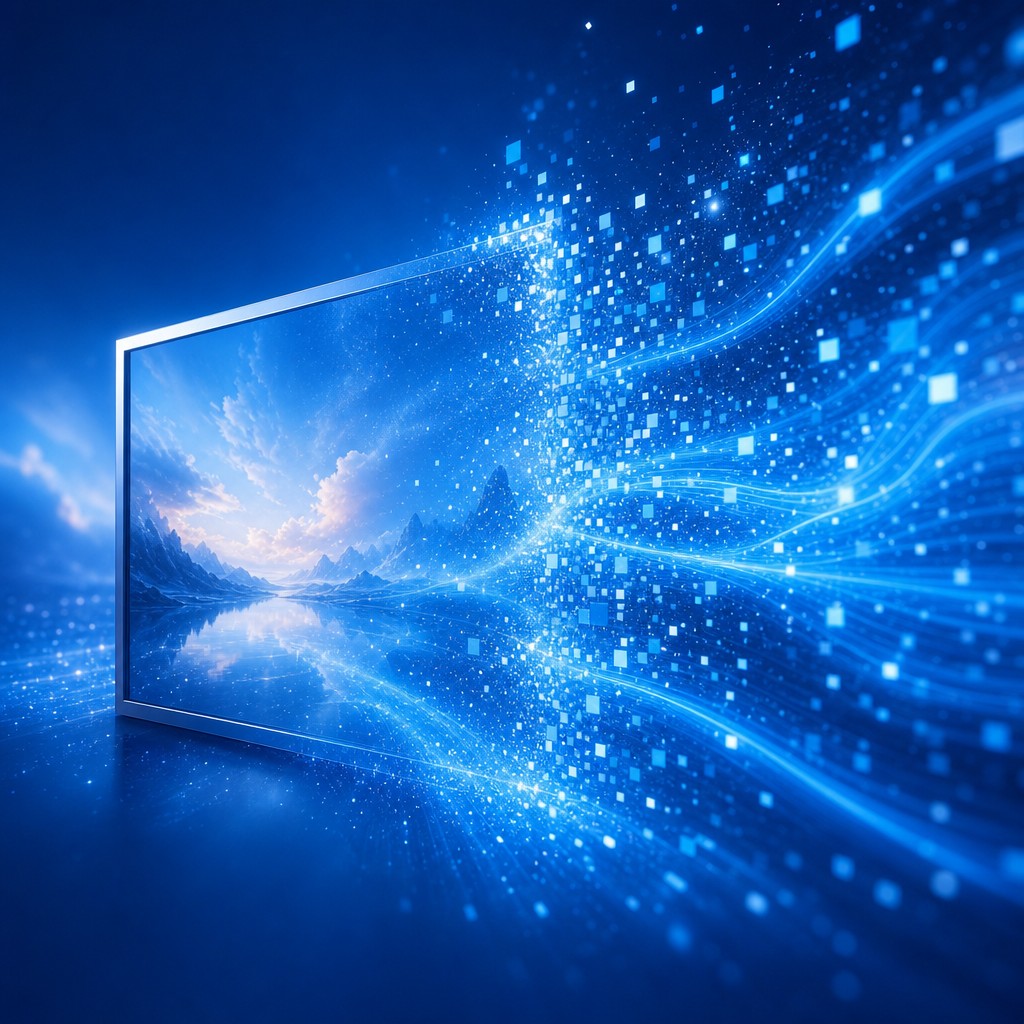
An AI image expander analyzes the content at the edges of an existing photo and predicts what should logically continue beyond the frame. If a model stands against a blue sky, the tool extends that sky seamlessly. If a product sits on a wooden table, it continues the grain and shadows. The underlying technology relies on diffusion models trained on enormous image datasets, allowing them to understand context, depth, and texture. The result is a larger canvas that feels like it was always part of the original shot.
This differs from simple stretching or upscaling. Stretching distorts proportions, and upscaling only increases resolution. Expanding adds genuinely new, contextually appropriate content, which is why it has become so valuable for adapting one hero image into dozens of formats.
Why Creators Rely on Image Expansion
The biggest driver is efficiency. A photoshoot is expensive, and reshooting for every aspect ratio is rarely practical. With an expander, a creator captures one strong image and reframes it endlessly. A few common use cases include:
- Multi-platform adaptation: Turning a single visual into formats for Instagram, YouTube thumbnails, email headers, and display ads.
- Banner and hero creation: Extending tightly cropped product shots into wide website banners with room for headlines.
- Background repair: Filling space when a subject was photographed too close to the edge.
- Localized variations: Adding negative space for translated copy in different markets.
Each of these tasks once required a designer and hours of manual work. Now they take minutes, freeing creative teams to focus on strategy and storytelling.
A Practical Workflow for Marketing Teams
Successful teams treat image expansion as one step in a repeatable system. The process usually begins with selecting a high-quality source image that has a clear focal point and clean edges. The cleaner the original, the more believable the expansion. Next, the creator defines the target dimensions for each placement, such as 16:9 for video platforms or 9:16 for vertical stories.
From there, the AI generates extended regions, and the creator reviews each result for artifacts, mismatched lighting, or repeating patterns. Minor touch-ups in a standard editor often polish the final asset. Finally, the team organizes the variations in a shared library so the same expanded visuals can be reused across future campaigns. Documenting prompts and settings makes the workflow consistent across team members.
Maintaining Brand Consistency
One risk of generative tools is visual drift, where AI-added content subtly conflicts with brand guidelines. To prevent this, creators establish guardrails. They keep expansions neutral, avoid introducing unexpected objects, and always preserve the original subject as the clear hero. Color profiles should be checked after expansion, since generated regions can occasionally shift saturation or warmth. Many teams also create a simple approval checklist so every expanded asset meets the same quality bar before publishing.
Common Pitfalls to Avoid
While the technology is powerful, it is not flawless. Expanding too far from the original can produce surreal or repetitive results, because the AI has less real context to work from. Faces, hands, and text are especially difficult for generative models, so creators should avoid expanding regions where these elements might be invented. Low-resolution source images also lead to soft or muddy extensions. The rule of thumb is to expand conservatively and let the original image carry the visual weight.
Measuring the Impact on Campaigns
The value of AI image expanders is not only creative speed but measurable performance. By producing properly sized visuals for every channel, brands avoid awkward crops that hurt click-through rates and engagement. Teams should track metrics such as ad engagement, time spent on landing pages, and conversion rates for expanded versus manually produced creative. In most cases, the ability to test many formats quickly leads to better optimization and stronger results over time.
The Future of Generative Visual Workflows
Image expansion is just one part of a larger shift toward generative creative production. As models improve, creators will move fluidly between expanding, editing, and generating entirely new scenes from a single brand reference. The teams that win will be those who build disciplined workflows now, combining AI efficiency with human judgment and brand strategy. AI image expanders give creators a practical, immediate advantage: more visuals, more formats, and more testing without ballooning budgets. Used thoughtfully, they turn a single great image into a complete, channel-ready campaign.
Want your brand featured in front of decision-makers? Publish a guest post or get a link insertion in our guides through AAMAX's guest post and link insertion service.
Helpful Links
 SponsoredAAMAX — Full-Service Digital Agency
Write for Us
Share your expertise with our readers. We welcome guest contributions from industry specialists.
Pitch your idea