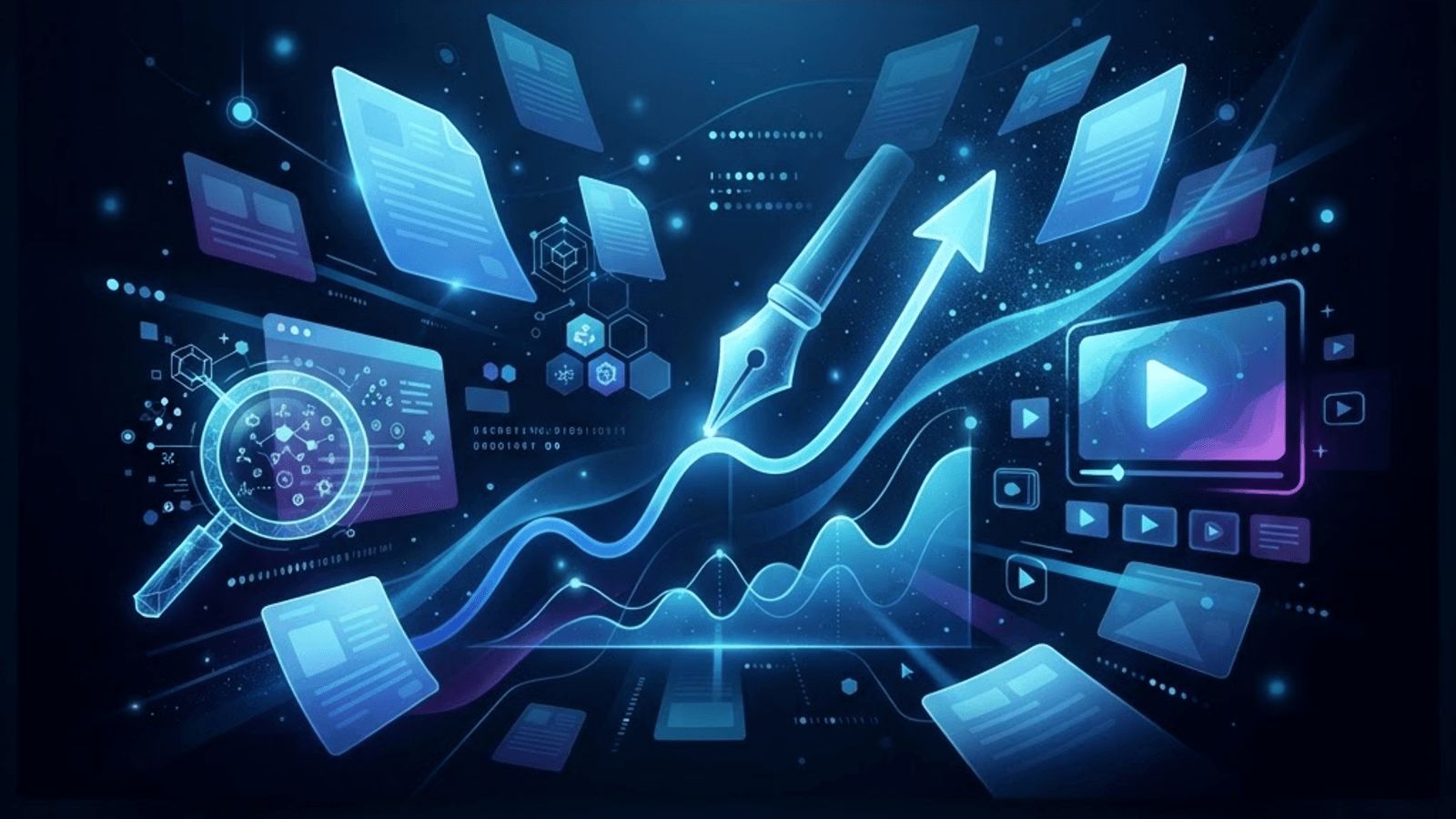
Artificial intelligence affects digital marketing in profound and far-reaching ways, reshaping how brands understand their audiences, deliver their messages, and measure their success. Its influence is felt across strategy, execution, and analysis, and it brings both significant opportunities and important challenges. For marketers, understanding these effects is essential to adapting their approach and staying competitive in an environment that is changing faster than ever.
How AAMAX.CO Helps Brands Adapt
Adapting to AI-driven change can feel overwhelming, especially for teams with limited technical resources. AAMAX.CO, a full-service digital marketing company serving clients worldwide, helps businesses respond to these shifts with confidence. They guide brands in adopting AI where it adds genuine value, while ensuring that the human elements of marketing, creativity, empathy, and brand voice, remain strong. Their balanced approach helps clients benefit from AI without being overwhelmed by it.
Sharper Audience Targeting
One of the clearest effects of AI is more precise targeting. By analyzing vast amounts of behavioral and contextual data, AI identifies the audiences most likely to respond to a given message. This precision reduces wasted ad spend and increases conversion rates. Marketers can reach the right people at the right moment with far greater accuracy than traditional methods allowed, making every campaign dollar work harder.
Transformed Content Creation
AI has changed how content is produced. Generative tools draft copy, suggest ideas, and create visuals in a fraction of the time it once took. This accelerates production and enables marketers to test more variations. The effect is a shift in the marketer's role, from producing every piece by hand to guiding, editing, and curating AI-assisted output. Quality and brand alignment still depend on human judgment, but the pace of creation has accelerated dramatically.
Data-Driven Decision Making
AI has elevated the role of data in marketing decisions. Predictive analytics forecast outcomes, attribution models reveal what truly drives results, and dashboards surface insights automatically. Marketers increasingly rely on these insights to allocate budgets, refine campaigns, and justify their strategies. The effect is a culture where decisions are grounded in evidence rather than intuition alone, improving accountability and performance.
Enhanced Customer Experience
AI affects how customers experience brands at every touchpoint. Chatbots provide instant support, recommendation engines surface relevant products, and personalized content makes interactions feel tailored. When implemented well, these effects increase satisfaction and loyalty. Customers receive faster, more relevant service, and brands build stronger relationships. The challenge is to keep these interactions feeling human rather than mechanical.
Improved Search Visibility
AI affects how content is discovered and ranked. Search engines use intelligent algorithms to understand intent, and marketers use AI to optimize their content accordingly. Effective search engine optimization now depends on tools that analyze trends, identify opportunities, and improve content quality. As discovery shifts toward AI answer engines, brands must also consider how their content performs in these new environments to maintain visibility.
The Challenges AI Introduces
The effects of AI are not entirely positive. Privacy concerns grow as personalization relies on collecting more data, requiring careful compliance with regulations. Over-automation risks making brand communication feel impersonal. There is also the danger of bias in algorithms, which can lead to unfair or ineffective targeting. And reliance on AI tools demands new skills, creating pressure on teams to learn and adapt. Marketers must navigate these challenges deliberately to capture AI's benefits responsibly.
The Net Effect on Marketers
Taken together, AI shifts the marketer's focus from manual execution toward strategy, creativity, and oversight. Routine tasks are increasingly automated, freeing professionals to concentrate on the work that requires human insight. Rather than replacing marketers, AI changes what they do and raises the value of distinctly human skills like storytelling, empathy, and ethical judgment.
Conclusion
Artificial intelligence affects digital marketing by sharpening targeting, transforming content creation, strengthening data-driven decisions, enhancing customer experience, and improving search visibility, while also introducing challenges around privacy, bias, and skills. The marketers and brands that thrive will be those that embrace AI's benefits thoughtfully, address its challenges head-on, and keep the human touch at the heart of everything they do.
Want your brand featured in front of decision-makers? Publish a guest post or get a link insertion in our guides through AAMAX's guest post and link insertion service.
Helpful Links
 SponsoredAAMAX — Full-Service Digital Agency
Write for Us
Share your expertise with our readers. We welcome guest contributions from industry specialists.
Pitch your idea